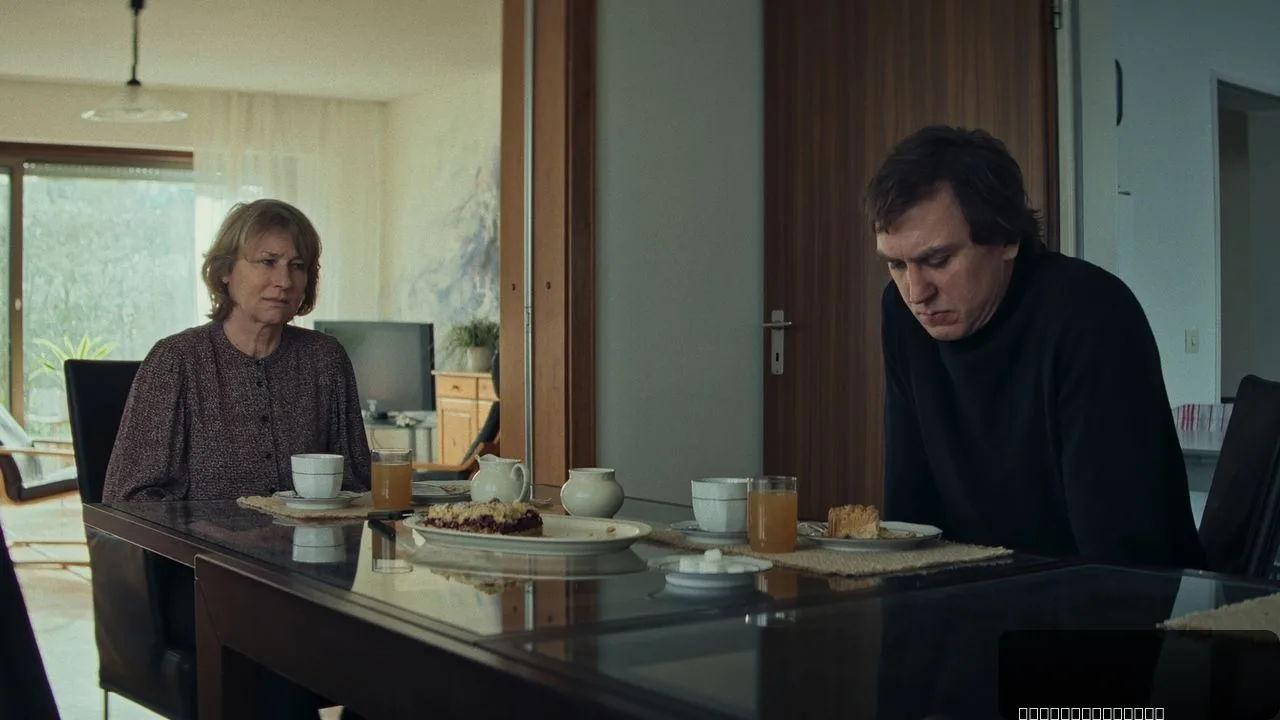
Netflix Is About to Flood Your Queue With 20 NHK Dramas—Starting Next Month
TL;DR: Netflix has locked in a major deal with Japan's public broadcaster NHK to bring 20 dramas and a 15-year-old variety show globally by 2027. Six titles land next month on Netflix India and worldwide. The real story? Annual Taiga historical epics—50-episode historical dramas that have never had this kind of international distribution—are now coming to your feed every year.
If you're outside Japan and you've ever wanted to watch NHK's prestige television legally, the wall just came down. Starting next month, six dramas debut on Netflix globally—including the Taiga epic Strategist KANBE, a morning serial called Mampuku, and Descending Stories: A Life in Rakugo, which follows the dying art of traditional Japanese storytelling. Twenty total dramas arrive by 2027. Plus Netflix's first real Japanese variety show.
That's the headline. Here's what actually matters.
What Netflix and NHK Actually Locked Down
On May 21, 2026, Deadline reported a landmark partnership: Netflix acquired rights to NHK content across scripted drama and unscripted programming. Six series premiere next month. Twenty dramas confirmed through 2027.
The launch slate:
- Strategist KANBE — Taiga drama covering the feudal strategist Kuroda Kanbei
- Mampuku — morning serial (Asadora) about postwar Japan and instant ramen
- Descending Stories: A Life in Rakugo — NHK Drama 10 slot, about the traditional performance art
- The Science Club — Drama 10
- Tokyo Salad Bowl — Drama 10
- My Family — premium NHK drama
And here's the part that changes everything: Netflix will get each year's new Taiga drama going forward. That means annual 50-episode historical epics, every single year, for the duration of the deal.
On the unscripted side, Netflix acquired Monday Late Show, a 15-year-old Nippon TV variety show hosted by Matsuko Deluxe and Shingo Murakami. It focuses on trending topics and local personalities across Japan.
Why the Taiga Drama Commitment Is the Thing to Actually Pay Attention To
Look — the variety show is interesting. But the Taiga deal is the move that matters long-term.
A Taiga drama is Japan's answer to prestige BBC historical television, except they've been commissioning one every single year since 1963. Sixty-three consecutive years. No interruptions, not even during economic crashes or pandemic lockdowns. Each runs about 50 weekly episodes covering a single historical figure or era. That's patience you don't see in streaming. Where a Netflix drama resolves a character arc in three episodes, a Taiga lets it breathe for months. For audiences trained on binge-watching, it's genuinely different television—closer to appointment viewing than a weekend drop.
What strikes me about the format is the craft tradition underneath it. NHK rotates production teams across Taiga installments, so there's no single auteur voice. The consistency comes from the format itself: elaborate period costuming, large ensemble casts, rigorous historical research. That's a storytelling discipline worth knowing before you start watching.
Deadline flagged the Taiga format in its Global Breakout series back in 2024, so international audiences have already been primed. This deal just makes them actually accessible.
NHK Isn't Commercial Television—That's Why This Matters
NHK (Nippon Hoso Kyokai) has been Japan's public broadcaster since 1950. No advertising. Funded by a mandatory receiving fee from Japanese households. That budget structure means production values and editorial independence that commercial broadcasters can't match.
The drama output splits into distinct formats:
- Taiga dramas: 50-episode historical epics (annual)
- Morning serials (Asadora): 15-minute daily episodes, six days a week, roughly six months per run
- Drama 10: evening prestige slot, typically 10-episode limited series
- Premium dramas: highest production value, often adapted from literature
Mampuku — one of the launch titles — is an Asadora from 2018-2019 that traces a woman's life helping develop instant ramen in postwar Japan. That's the kind of specific, character-driven historical storytelling that travels internationally without explanation. (The scene where Manpei finally gets the flash-frying technique right after months of failures in his backyard shed is one of the most satisfying payoffs I've seen in a period drama, and it's about noodles.)
Most trade coverage frames this NHK deal as Netflix expanding its Japanese library. The more precise read: this is Netflix admitting that its own Japanese originals haven't produced a second Alice in Borderland-level hit since 2022, and licensing proven NHK catalogue is a faster, cheaper path to filling the Japanese-content pipeline than developing from scratch. That's not expansion. That's a course correction.
According to Movie OTT's streaming database, this represents the largest single content commitment Netflix has made with any Japanese broadcaster to date.
What Monday Late Show Tells You About Netflix's Variety Ambitions
Matsuko Deluxe is one of Japan's most recognizable television personalities—a commentator and entertainer with a following built over decades of variety television. Shingo Murakami, her co-host, comes from the Kansai Johnnys talent stable, which means a fanbase that extends well beyond casual viewers.
The show has run for 15 years on Nippon TV. Proven format. Demonstrated audience. Netflix acquiring it represents the platform's first genuine step into Japanese variety—a format that's historically been domestic-facing and nearly impossible to export due to cultural references and local in-jokes.
The part I'm most curious about: will Netflix subtitle the show in ways that make the cultural context legible to non-Japanese audiences, or will viewers get straight translation and have to fill in the gaps themselves? That choice determines whether this becomes a gateway show or stays a service for the Japanese diaspora.
The 15-year run is a strong signal the format works. Whether it travels is harder to predict.
For Indian Netflix Subscribers: What This Actually Opens Up
For viewers on Netflix India, this deal unlocks a catalogue of Japanese public television that's been functionally inaccessible through any mainstream legal platform. All six launch titles arrive on Netflix India from next month, with the full 20-drama slate rolling out through 2027.
Current availability:
- Netflix India: All six launch titles confirmed, plus ongoing access to each year's Taiga drama
- Netflix globally: Same slate, simultaneous launch
- Prime Video, JioCinema, SonyLIV, Zee5, Hotstar: No NHK licensing announced
Indian subscribers already watching anime will find live-action NHK drama a different but compelling adjacent interest. Descending Stories: A Life in Rakugo, with its focus on a traditional Japanese performance art, is the kind of culturally specific content that finds dedicated niche audiences in India rather than mass viewership—but that niche is real and engaged. For Indian audiences, the closest recent comp isn't another Japanese import; it's Panchayat on Prime Video, which proved that slow-burn, culturally rooted storytelling with no action set-pieces can build a fiercely loyal subscriber base at scale.
According to Movie OTT's where-to-watch tracker, Netflix is currently the only platform in India with confirmed access to NHK content. English and Hindi subtitles are the expected formats for launch titles, though Netflix India's dubbing decisions for Japanese content have been inconsistent. Regional language dubbing hasn't been announced.
Strategist KANBE, covering the Sengoku period strategist Kuroda Kanbei, is probably the strongest crossover candidate for audiences already familiar with feudal Japanese history through manga and anime.
What to Watch First, and What Happens Next
Start with Descending Stories: A Life in Rakugo if you want something self-contained and internationally legible. It's the most distinctive of the six launch titles. If you want historical epic, go straight to Strategist KANBE—it's the format Netflix is betting on long-term.
The immediate question is performance. Netflix doesn't release granular per-title numbers, but its weekly Top 10 lists by country will signal whether NHK content finds an audience outside Japan quickly or needs time to build. If Strategist KANBE performs, expect Netflix to market each subsequent Taiga release heavily. If it underperforms, the deal still runs through 2027—but the platform's promotional investment will shift.
For Monday Late Show, the variety format test is entirely new territory. Netflix's unscripted slate in Asia has leaned on competition formats (physical challenges, dating shows). A talk-variety show is a different bet.
The next milestone: Netflix's confirmation of the 2026 Taiga drama title, which should follow the June launch if the annual commitment is on schedule.
The Infrastructure Play Nobody's Talking About
Here's what most coverage misses: this deal isn't primarily about content volume. It's about exclusivity. By locking in NHK—the most prestigious source of Japanese television—Netflix has made it significantly harder for any competitor (Apple TV+, Disney+, Amazon) to build a credible Japanese public broadcasting partnership. NHK doesn't need multiple distribution deals. One partner is enough.
Twenty dramas is a lot of content. The exclusivity signal is the real move. Netflix just planted a flag.
Movie OTT is updating streaming availability across regions as each NHK title confirms its launch date through 2027.