The Four Film Trilogies That Beat Lord of the Rings on Pure Rewatchability
TL;DR: A recent Collider ranking argues that only three film trilogies — Back to the Future, The Naked Gun, and Rush Hour — outpace The Lord of the Rings on raw, repeatable fun. For streaming audiences worldwide, that argument carries real weight: these trilogies are scattered across different platforms depending on your region, and knowing where to find them matters more than the debate itself.
What This Ranking Actually Means for Streaming Audiences
If you're an Indian subscriber sitting on Amazon Prime Video or Netflix this weekend hoping to marathon something effortlessly joyful, a ranking like this one changes your search. The conversation isn't about which trilogy is artistically superior to Peter Jackson's Middle-earth saga — that battle was settled by three Oscar ceremonies and a generation of devoted fans. This is about which trilogies you can drop into at any scene, at any hour, without needing to have done homework first. And the answer, according to a May 11, 2026 piece by Safwan Azeem published at Collider, is Back to the Future (1985–1990), The Naked Gun (1988–1994), and Rush Hour (1998–2007). Three trilogies. Different genres. Same essential quality: they don't ask anything of you except to show up.
The Case Being Made — and Why It's Not Simply a Hot Take
The Collider piece is careful to draw a distinction that matters. It isn't claiming these trilogies are better than The Lord of the Rings. That would be a different argument entirely — one involving craft, ambition, cultural weight, and the kind of cinematic achievement that earns a Best Picture win for The Return of the King at the 2004 Academy Awards. What it's arguing is narrower and, honestly, more interesting: these three trilogies deliver a purer, more repeatable kind of joy. The kind where you catch five minutes while making dinner and suddenly you've lost two hours without any resentment.
The three trilogies ranked are:
- Back to the Future Trilogy (1985–1990) — Directed by Robert Zemeckis, starring Michael J. Fox as Marty McFly and Christopher Lloyd as Doc Brown. Cited as number one for making complex cause-and-effect plotting feel like play rather than work.
- The Naked Gun Trilogy (1988–1994) — Directed by David Zucker, starring Leslie Nielsen as the catastrophically confident Frank Drebin. Ranked second for its relentless, cumulative attack on cinematic dignity.
- Rush Hour Trilogy (1998–2007) — Directed by Brett Ratner, starring Jackie Chan and Chris Tucker. Ranked third for the durable chemistry between two completely different comic energies that never stopped finding new angles.
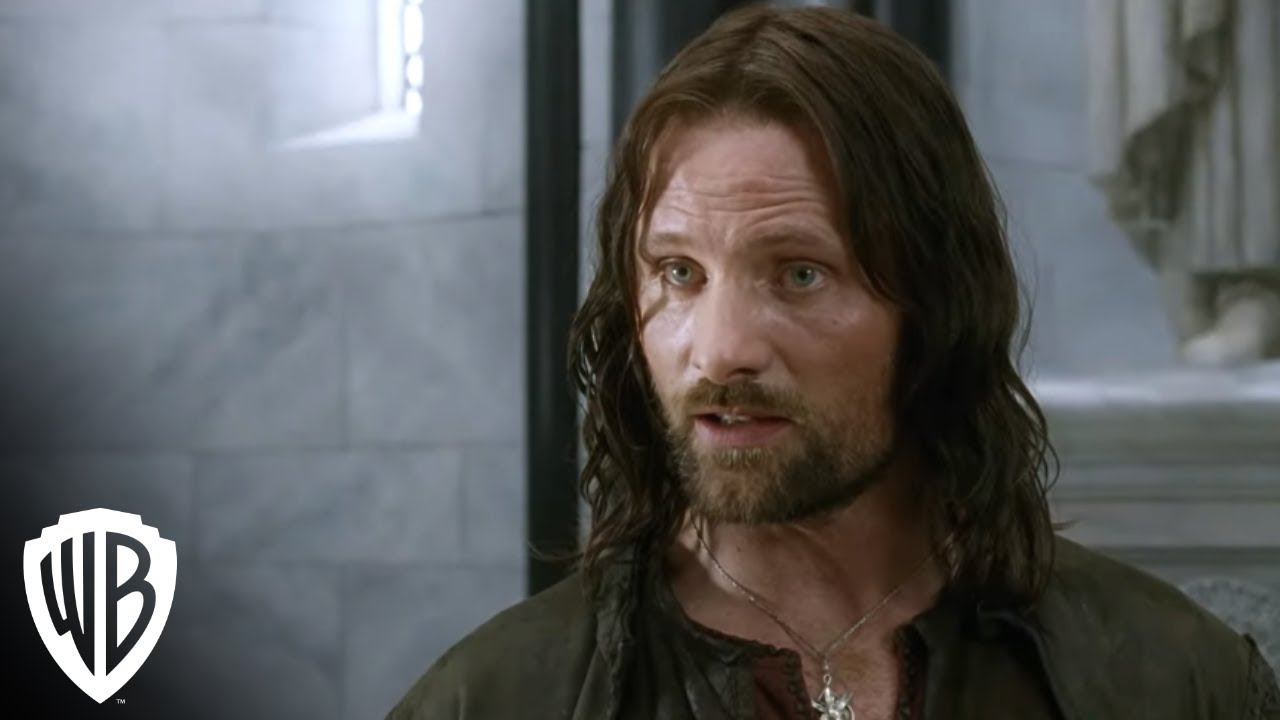
The Lord of the Rings — Jackson's trilogy covering The Fellowship of the Ring (2001), The Two Towers (2002), and The Return of the King (2003) — remains the baseline. And it's a formidable one. The Return of the King alone follows Frodo (Elijah Wood) and Samwise (Sean Astin) into the heart of Mordor while Aragorn (Viggo Mortensen) is revealed as the heir to the throne of Men, armies converge for a final battle, and the fate of Middle-earth hangs on the destruction of the One Ring. That's not light viewing. That's an event.
Why "Fun" Is a More Complicated Metric Than It Sounds
Here's the thing nobody in these ranking debates says out loud: "fun" is doing enormous analytical work in a sentence like this. It isn't just laughs per minute or action set pieces. It's something closer to frictionlessness — the absence of the emotional and cognitive preparation that even great cinema sometimes demands before you can fully receive it.
The Lord of the Rings, for all its genuine moments of humor and warmth (Merry and Pippin remain two of cinema's most loveable disaster-prone sidekicks), operates at a register that requires emotional investment to pay off. You need to feel the weight of the Fellowship's loss, the creeping dread of Gollum, the scope of what's at stake. That's not a flaw. That's the architecture of myth. But it means you can't exactly throw on The Two Towers at midnight when you're half-asleep and just vibe.
Back to the Future, by contrast — the scene where Marty accidentally watches his teenage father George McFly (Crispin Glover) moonwalking before he ever became "Dad" is the kind of moment that hits whether you've seen the film once or fifteen times. No emotional homework required. Just immediate, mechanical delight.
Collider has been running a thoughtful ongoing series examining how Jackson's trilogy stacks up against competitors across different metrics. You can read related entries including Only 3 Movie Trilogies Are Better Than The Lord of the Rings and Only 3 Movie Trilogies Are More Perfect Than The Lord of the Rings for how the same films perform when the criteria shifts. The methodology changes the leaderboard significantly — which is itself a point worth sitting with.
What Safwan Azeem's Argument Gets Right
Writing for Collider on May 11, 2026, Azeem framed the Back to the Future trilogy's top ranking around a specific achievement: "it makes plot feel like play." That's a precise and defensible claim. The trilogy, he argued, is "so tightly built, so mechanically elegant, so obsessed with setups, payoffs, mirrored choices, alternate outcomes, inherited personality, and time-bending consequence, and yet they never feel like homework." The word "homework" is doing real work there. It's the exact sensation that separates a film you admire from a film you reach for.
On Leslie Nielsen's Frank Drebin, Azeem noted that the character "moves through disaster with complete confidence" and that the comedy is cumulative — "you are laughing at the ongoing fact that this man continues to exist at all." That's a genuinely sharp observation about how The Naked Gun trilogy sustains its joke across three films without exhausting it.
(Disclosure: Movie OTT covers streaming availability for all three trilogies across global platforms, so the where-to-watch question is one we track closely.)
How Indian Audiences Can Actually Access These Trilogies Right Now
For Indian viewers, the streaming picture across these four trilogies is fragmented — and that fragmentation is part of why ranking articles like this one matter practically, not just as entertainment debate.
The Lord of the Rings trilogy is currently available in India on Amazon Prime Video, where it has been a flagship title for years. All three extended editions are accessible, and the films are available with Hindi, Tamil, and Telugu dubs — making them genuinely accessible across regional audiences, not just English-language viewers.
Back to the Future is available for rental and purchase on Amazon Prime Video and Apple TV in India, though it doesn't sit on a major subscription tier at the time of writing. That's a gap worth noting.
The Naked Gun trilogy is harder to track on Indian platforms — availability shifts, and it's currently best accessed through digital rental on platforms like Google Play Movies or Apple TV in India.
Rush Hour has had rotating availability on Netflix India and Amazon Prime Video. The first film in particular has strong recognition among Indian audiences, partly because Jackie Chan's action comedies built a devoted following here throughout the late 1990s and 2000s — a fanbase that predates the streaming era entirely.
Movie OTT's where-to-watch tracker keeps current tabs on exactly where each of these films sits across Netflix, Prime Video, Hotstar, JioCinema, SonyLIV, and Zee5, which is genuinely useful when availability shifts without announcement. Worth bookmarking before you plan a trilogy weekend.
The Three Trilogies and the Studios Behind Them
A quick orientation on the franchises in question:
Back to the Future (Universal Pictures / Amblin Entertainment)
- Part I (1985): Directed by Robert Zemeckis, written by Zemeckis and Bob Gale. Budget approximately $19 million; domestic gross over $210 million.
- Part II (1989) and Part III (1990) filmed back-to-back.
- Michael J. Fox (Marty McFly) was simultaneously filming Family Ties during production of the first film, shooting nights for the movie and days for the show.
- Christopher Lloyd (Doc Brown) has described the role as one that required physical commitment well beyond what the scripts suggested.
The Naked Gun (Paramount Pictures)
- Based on the short-lived 1982 TV series Police Squad!, also starring Nielsen.
- Directed by David Zucker across the first two entries; Peter Segal directed Part 33⅓.
- The trilogy ran from 1988 to 1994, grossing over $215 million combined worldwide.
Rush Hour (New Line Cinema)
- Brett Ratner directed all three entries.
- Jackie Chan performed the majority of his own stunts across the trilogy — a fact that becomes almost absurd when you watch the outtake reels over the closing credits.
- Chris Tucker reportedly earned $20 million for Rush Hour 3 (2007), making him one of the highest-paid actors in Hollywood at the time, according to reports from that era.
Movie OTT's franchise pages carry the full release history and cast details for all three series if you need a deeper reference point.
Watch the official trailer:
What Comes Next for These Franchises — and Why the Debate Won't Stop
Rush Hour 4 has been in various stages of development for years. Both Jackie Chan and Chris Tucker have discussed it publicly at different points, though no confirmed production start has been announced as of May 2026. A fourth entry would test exactly the thesis Azeem is making — whether the chemistry that made the trilogy work can survive another decade's gap.
The Naked Gun reboot starring Liam Neeson was released in 2025, giving the franchise new life and reigniting interest in the original Nielsen trilogy. Whether it matches the cumulative comic architecture of the originals is a separate conversation — but it has sent audiences back to the source material.
For the latest streaming availability across all four trilogies and regions, Movie OTT has the current picture. The ranking debate will keep running. The films are already waiting.