Pedro Almodóvar's 'Bitter Christmas' Premieres at Cannes After Medical Emergency Halts Press Screening
A medical emergency at the Bazin Theatre disrupted the press screening of Pedro Almodóvar's Bitter Christmas on May 19, 2026, forcing a full evacuation roughly 15 minutes into the film. An elderly attendee collapsed during a hospital scene — the timing was eerie, almost unbearable — but the Cannes Film Festival confirmed the person was conscious and responsive before being transported to hospital. Once emergency services cleared the venue, the screening resumed from the beginning. The director's world premiere at the Grand Théâtre Lumière that same evening drew a standing ovation.
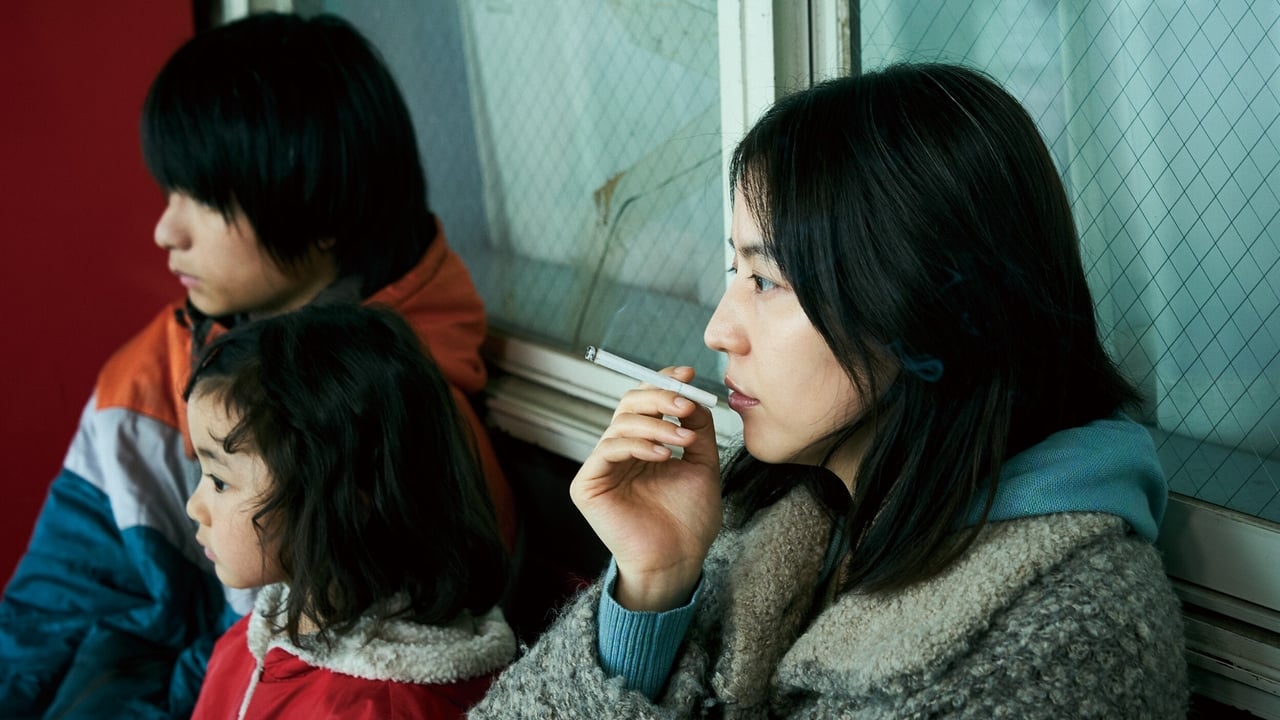
The film itself explores grief, panic attacks, and female friendship through the story of Elsa, an advertising director who loses her mother in December and buries herself in work to avoid processing the loss. When a panic attack forces her to stop, she travels to Lanzarote with her friend Patricia — a narrative that runs parallel to that of a screenwriter and film director, echoing Almodóvar's longtime interest in how life and fiction bleed into each other, sometimes painfully.
Here's what you need to know about the film, the incident, and where you'll actually be able to watch it.
The Evacuation: What Happened, What the Festival Said
The Bazin Theatre, where Cannes holds its main competition press screenings, was evacuated without incident. The festival issued a straightforward statement: "A person suffered a medical emergency on Tuesday evening during the press screening of Bitter Christmas, in the Bazin theatre. The screening was immediately interrupted, and the theatre evacuated to allow emergency services to assist them. The person was conscious and responsive before being transported to the hospital for further medical care."
That conscious-and-responsive detail matters. It's the detail that lets you breathe.
According to Deadline's critic Stephanie Bunbury, who was present, the collapse happened roughly 15 minutes into the film — early enough that most of the film remained unwatched. Cannes didn't cancel the screening or shuffle it to a different time. They evacuated, the ambulance came, and then they started the film over from the top once the Palais was clear.
Critics got to see the full work. Reviews landed. The conversation moved back to Almodóvar.
Why This Film Matters Right Now — and Why Almodóvar at 75 Still Matters
Almodóvar doesn't make casual films. That's just not how he operates.
His catalogue — from Pepi, Luci, Bom (1980) through Women on the Verge of a Nervous Breakdown, All About My Mother (which won the Palme d'Or in 1999), Talk to Her, and most recently Parallel Mothers (2021) — represents one of cinema's most consistent bodies of work. The themes repeat: women processing loss, desire, reinvention, and the impossible mathematics of staying alive when your body and mind decide to betray you at the same time.
Parallel Mothers earned Penélope Cruz a Best Actress prize at Venice. Pain and Glory (2019) grossed $5.5 million in the US alone — extraordinary for Spanish-language arthouse cinema — and the film's meditation on aging, memory, and desire still holds up on rewatch. These aren't footnotes in film history. They're the main text.
Most coverage is treating Bitter Christmas as another entry in Almodóvar's late-career streak, but the more honest read is that this is the film where he stops aestheticizing pain and just sits inside it. The panic-attack-as-pivot-point isn't a narrative device dressed in gorgeous production design; it's a structural confession that prettiness can't hold grief anymore. That's a harder, less comfortable film than Pain and Glory, and it won't land the same way with audiences expecting the lush melodrama of his mid-period work.
I keep coming back to how Almodóvar structures this with the parallel screenwriter-and-director storyline. He's done it before — most notably in Bad Education (2004) and Pain and Glory — but at 75, returning to that device feels less like a signature move and more like a man genuinely working through something about his own creative mortality.
Where to Watch 'Bitter Christmas' in India (and Everywhere Else)
Here's the honest situation: right now, Bitter Christmas has no confirmed Indian OTT release date. That's normal for a film that premiered at Cannes hours ago. Distribution deals for India typically follow three to six months after a festival debut, longer for European arthouse titles.
But here's what's likely:
- MUBI India is the strongest bet. MUBI holds the catalogue rights to several Almodóvar films in India — both Pain and Glory and Parallel Mothers streamed there.
- Netflix India acquired Parallel Mothers for multiple territories, so a secondary possibility exists, though Netflix's Spanish-language arthouse acquisition has been uneven.
- Amazon Prime Video India has picked up festival titles before, but it's not the platform's consistent wheelhouse.
- A theatrical release in major Indian metros through a specialised distributor (PVR Cinemas' arthouse division, for instance) could precede the OTT window by several months.
Movie OTT tracks real-time streaming availability across Netflix, Prime, MUBI, Hotstar, SonyLIV, and ZEE5 — bookmark it and check back in early July for the first acquisition announcements. Spanish-language cinema has grown in India partly due to Money Heist on Netflix, but Almodóvar works in a different register entirely: quieter, more demanding, less plot-driven. The audience for him is smaller but loyal.
The Standing Ovation and What It Signals for the Film's Cannes Run
Almodóvar entered the Grand Théâtre Lumière for the world premiere and received an immediate standing ovation. That's not ceremonial applause for a career retrospective; it's recognition that a major filmmaker is back in competition with something that matters.
The Cannes competition jury deliberates at the festival's end. Hard to say whether the medical-emergency incident affects critical sentiment — it shouldn't, but Cannes has always been a festival where the experience of watching a film (the venue, the crowd, the interruptions) bleeds into the review itself.
What to watch for: a North American distribution deal, likely from Sony Pictures Classics or MUBI, in the coming weeks. El Deseo, Almodóvar's own production company, will handle the Spanish theatrical release. Spain's Academy submission deadline falls later in 2026, and Bitter Christmas is an obvious candidate. The film is now in the conversation for the Palme d'Or, the Grand Prix, Best Director — the full range of competition prizes.
What Almodóvar's Last Three Films Tell You About This One
If you're trying to decide whether to hunt for Bitter Christmas when it becomes available, here's the practical comparison:
- Haven't seen Pain and Glory yet? Start there. It's Almodóvar's most directly autobiographical work — a director reflecting on desire, addiction, memory, and the cost of making art. It's also the most visually sumptuous thing he's made. Watch this first.
- Already familiar with Pain and Glory? Bitter Christmas extends that conversation about aging and creative mortality, but through the lens of sudden, unprocessed grief rather than slow reflection.
- Seen Parallel Mothers? That film's theme of motherhood and female connection feeds directly into Bitter Christmas, though the tone is darker, the panic more acute.
Don't approach this expecting the comedic energy of Women on the Verge or the melodramatic architecture of All About My Mother. This is interior work — two women on an island, a screenwriter in another story, the boundaries between fiction and life dissolving in ways that hurt.
When Bitter Christmas Hits Streaming (and How Fast It Usually Takes)
Almodóvar's recent films have moved to OTT within four to eight months of their theatrical debuts. Parallel Mothers appeared on MUBI roughly five months after its Venice premiere. Pain and Glory took a similar timeline.
That means: if Bitter Christmas lands on a platform in India by October or November 2026, that's normal. If it takes longer, that's also normal — international distribution for arthouse cinema isn't synchronized.
Movie OTT's where-to-watch tracker updates whenever a new title gets acquired for Indian streaming, so set a reminder to check back in mid-June when the post-Cannes acquisition frenzy typically concludes. Most distribution news breaks within two weeks of the festival's closing ceremony.
Why Cannes Competition Still Predicts Streaming Success
Here's a detail most streaming coverage glosses over: Cannes competition placement remains the single most reliable predictor of arthouse acquisition. Not because of the Palme d'Or itself — though that helps — but because the press-screening ecosystem at Cannes generates critical mass. Reviews from Variety, Deadline, The Guardian, and Sight & Sound run the same week. Acquisition executives see consensus forming. Sales agents know they can ask for premium licensing terms.
Pain and Glory grossed $5.5 million at the US box office alone and became one of the highest-grossing Spanish-language films in arthouse history. To put that in context, it outperformed every other foreign-language Oscar nominee that year except Parasite, which had the benefit of a genre hook and Bong Joon-ho's crossover appeal. Parallel Mothers earned $1.6 million domestically — smaller, but still solid for a film with zero action sequences and a plot built around maternity-ward DNA tests. Both films found audiences because critics took them seriously, and because MUBI and Netflix were willing to pay for the rights.
The audience for Bitter Christmas is not the Marvel crowd or the Netflix mainstream algorithm. It's the viewer who finished All About My Mother and immediately started Talk to Her. It's someone who understands that a film about a woman's panic attack in December can be profound without being overwrought. That audience is smaller than the general population, but it's loyal, it's international, and streaming platforms know exactly how to reach it.
MUBI in particular has built its entire business model around exactly this kind of filmmaker — European cinema, auteur-driven, demanding but rewarding. An acquisition announcement from Cannes wouldn't be surprising.
The Morning After: What Happens Next
As of May 20, 2026, Bitter Christmas continues its Cannes competition run. The film has its reviews. Critics have seen the full work. The evacuation is now a footnote in the narrative, not the narrative itself.
What remains is the simple question: Is it good?
Based on early critical responses, yes. Almodóvar's channeling himself, but this time there's more pain than glory — which, depending on your appetite for emotionally demanding cinema, is either a warning or a recommendation. I'd call it a recommendation. The part I am most curious about is whether the parallel screenwriter storyline earns its place or feels like Almodóvar hedging against the rawness of Elsa's grief with a familiar structural safety net.
The medical emergency that interrupted the Bazin screening is resolved. The person transported to hospital was conscious and responsive. The festival handled it with transparency. The film was completed for the critics who needed to see it. And now, for the rest of us, we wait for the platform deal and the release date.
Check Movie OTT for updates as distribution news breaks across India and globally. Almodóvar is worth the wait.