Peter Berg's Battleship Is Having the Streaming Comeback Nobody Planned—and It Changes Everything for Call of Duty
TL;DR: Peter Berg just landed the directing gig for the live-action Call of Duty film. The surprise? His 2012 box office disaster, Battleship, is quietly dominating streaming charts 14 years later. Here's why that matters for the franchise, where to watch both films, and what it tells us about how blockbusters actually age.
Peter Berg's most expensive failure is becoming his unlikely redemption story. Not through a sequel announcement or a director's cut. Just streaming algorithms, word of mouth, and a film people wrote off in 2012 suddenly finding its actual audience.
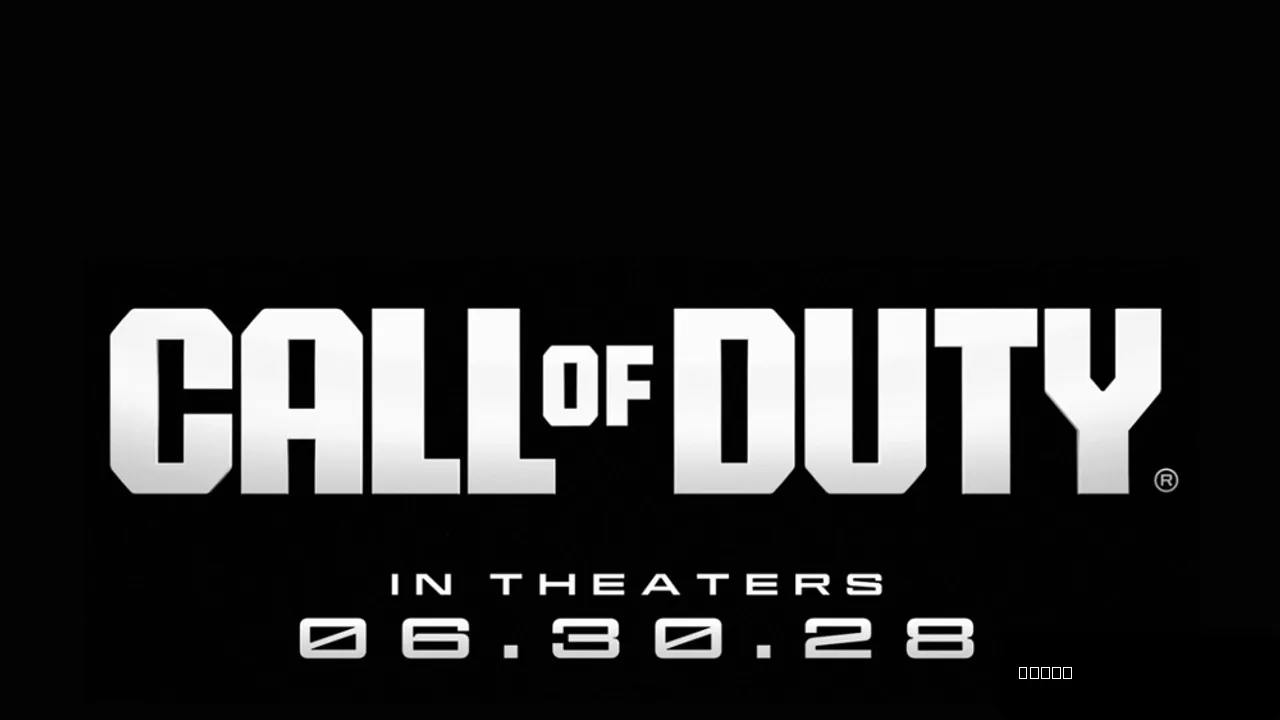
Battleship (2012) — 131 minutes, $220 million budget, 34% on Rotten Tomatoes — sank at the box office. Universal reportedly lost around $150 million on the theatrical run, despite pulling in roughly $303 million worldwide. It was, by any measure, a disaster. And yet, here it is in 2026, climbing streaming charts with no marketing push behind it. That's happening right now, at the exact moment Berg's been announced to direct the live-action Call of Duty adaptation, with Taylor Sheridan (Sicario, Yellowstone) writing the script.
The timing matters. It tells you something about Berg that the numbers alone never did.
Why Battleship Works Better on Streaming Than It Ever Did in Theaters
Here's the thing about Battleship that the 2012 reviews missed: the film is actually good at what it is. Loud. Expensive. Unashamed about its weirdness (aliens invading via a naval battle-strategy board game adaptation). But the action sequences have real weight to them.
That's the Berg signature. He doesn't abstract military logistics into CGI spectacle the way most blockbuster directors do. Watch the naval combat in Battleship — the way ships maneuver, the sound design of weapons systems, the geography of a firefight — and you're watching a filmmaker who did his homework. Not a masterpiece, but earnest in its execution. The screenplay is messy (nobody's disputing that), but the action filmmaking? Solid.
Key facts:
- Director: Peter Berg
- Release: May 2012
- Cast: Taylor Kitsch, Liam Neeson, Rihanna, Brooklyn Decker, Tadanobu Asano
- Runtime: 131 minutes
- Box office: ~$303 million worldwide (against ~$220 million budget)
- Rotten Tomatoes: 34%
- Current availability: Amazon Prime Video India, JioCinema, Apple TV (purchase/rent) — check Movie OTT's where-to-watch tracker for real-time regional listings
The streaming revival tells you something that box office numbers obscured: the problem wasn't the action. It was the marketing framing. In 2012, studios didn't know how to sell a film that was part prestige military drama, part dumb-fun blockbuster, part alien-invasion story. Audiences balked at the mixed signals. On streaming 14 years later, without the weight of a $15 ticket and pre-release hype, people are watching exactly that thing and going, "Yeah, this is fine." Better than fine. They're telling other people about it.
That's not algorithm manipulation. That's the quiet kind of word-of-mouth that doesn't generate headlines but does move viewing numbers.
What Berg's Military Filmmaking Actually Gets Right
I keep coming back to something Berg said in a 2013 press interview for Lone Survivor: "The goal is always to make something that the people who actually lived it can watch and not feel betrayed by." That's his north star. Not spectacle over authenticity — the reverse.
For Battleship, that meant Berg spent serious time with naval consultants. You feel that research in the sequences that matter. Compare it to, say, Master and Commander: The Far Side of the World (2003), the Russell Crowe film that's aged better than almost any action movie from that era because it genuinely understands naval warfare as a three-dimensional tactical problem. Berg was reaching for something in that register, even if the script was working against him.
This is crucial context for Call of Duty. The franchise doesn't need subtlety — it's built on spectacle and forward momentum. But it does need texture. The specific weight of gear in a firefight. The sound geography of a theatre of war. The difference between a sniper nest and a close-quarters breach. That's where Berg's instincts align with what the games actually deliver. Most blockbuster action directors would flatten all of that into an undifferentiated action montage. Berg won't.
The Hasbro Cinematic Universe That Failed (And What It Reveals About Berg)
Here's some useful history. Battleship wasn't a standalone project — it was part of Hasbro's attempt to build a cinematic universe to rival Michael Bay's Transformers empire. The plan was multiple franchises, multiple directors, each with their own tone.
First: G.I. Joe: The Rise of Cobra (2009). Grossed around $302 million worldwide against a $175 million budget. Underwhelming. No heat for a sequel. Three years later, Berg's Battleship arrived and pulled nearly identical numbers — $303 million — despite costing $45 million more to produce. The Hasbro cinematic universe died quietly. No expanded universe. Just two expensive lessons in why a brand name alone doesn't drive audience investment.
What's interesting — and this is where Berg's streaming moment connects to the Call of Duty situation — is that both films are finding audiences now precisely because they're being watched on their own terms, separated from the weight of that failed-franchise positioning. Streaming removes the box office stigma. You're not paying $15 to see what the studio promised; you're clicking because the algorithm suggested it or a friend texted about it. The bar for "worth my time" drops. Suddenly, a film that felt like a bet-the-company gamble in 2012 reads as a perfectly functional action movie in 2026.
Most trade coverage frames this Call of Duty gig as a comeback story for Berg, the director getting a second shot at tentpole filmmaking after a public flameout. The more interesting question is whether Sheridan's involvement signals that Activision and Microsoft are treating this as a Sicario-grade military thriller that happens to carry a gaming IP, rather than another brand-extension product. If so, that's a fundamentally different project than what anyone's expecting, and it would explain why they didn't just hire a Marvel assembly-line director.
Taylor Sheridan's involvement in the Call of Duty script is the key difference here. Sheridan writes characters who exist inside institutions — military, law enforcement, criminal — with specificity that tends to ground action narratives. That's the exact weakness that hurt Battleship: the screenplay couldn't decide what tone it wanted. Sheridan doesn't have that problem.
Berg's Track Record With Military Action — And Why It Matters Now
Berg's made three major military-action films: Lone Survivor (2013), Deepwater Horizon (2016), and Battleship (2012). Two of them — Lone Survivor and Deepwater Horizon — are legitimately well-regarded. The third sank hard at the box office, then aged into cult respect on streaming.
What connects all three? They're all built on real incidents or real systems. Lone Survivor follows a documented Navy SEAL operation. Deepwater Horizon recreates an actual industrial disaster. Battleship... well, it's an alien invasion, but the naval hardware is real, the tactics are researched, the procedural weight is there.
That consistency suggests something: Berg doesn't make films about military action in the abstract. He makes films about military action as a system — how people move through it, what the constraints are, what the actual weight of a decision feels like when lives are on the line. Call of Duty, despite being a game franchise, is built on that same logic. The campaigns are set in specific theatres of war with specific tactical problems. That's not a perfect match (Call of Duty campaigns are fantasy, after all, and the "No Russian" mission from Modern Warfare 2 is about as far from procedural realism as you can get) but it's closer than most blockbuster directors would get.
Movie OTT's streaming tracker has noticed a consistent pattern in Berg's work: his military-action films tend to find second-life audiences 8-12 years after theatrical release. Lone Survivor followed exactly that arc. Battleship is right on schedule. That data suggests Call of Duty won't need to be a theatrical juggernaut on day one to find its permanent audience.
Where to Actually Watch Battleship Right Now (And Whether You Should)
Should you watch Battleship? Yes — if you go in knowing what you're getting: a big, loud, slightly unhinged naval action movie with alien invaders and a pop star in a supporting role. Not a masterpiece. Not a guilty pleasure in the conventional sense. Just a competent action film that studios catastrophically undersold in 2012.
For Indian viewers:
- Amazon Prime Video India: Carries Battleship periodically; check current availability
- JioCinema: In rotation with select Hollywood catalogue titles
- Apple TV+: Available for digital purchase across Indian regions
- Netflix India / Zee5 / SonyLIV: Less consistent; worth searching directly
The film has a Hindi dubbed track on most platforms that carry it. Berg's approach to action — visual and sonic rather than dialogue-heavy — translates cleanly to dubbing. Runtime is 131 minutes, so it's a full evening commitment.
If you grew up watching Liam Neeson action films in the 2010s (the Taken era, big and unapologetic), Battleship fits that space exactly. Same energy.
What's Actually Happening With the Call of Duty Film
Berg's directing. Sheridan's writing. No cast announced yet. No production start date. Plot is still TBA, per the official listings on TMDB.
From what I gather, there's serious industry talk about Microsoft (which owns Activision Blizzard) wanting a streaming-first or hybrid release rather than a traditional theatrical window. The word on the lot is that Xbox's content team has been taking meetings with multiple platforms about day-and-date digital rights, though that part is still rumour. It would be a significant shift from the standard blockbuster playbook, but it'd align with how Microsoft is approaching gaming content more broadly — look at their Halo series deal with Paramount+ as precedent. Nothing's confirmed. Watch for those announcements in the next 12-18 months if the script is tracking on schedule.
What to watch for:
- Cast announcement — likely within the next year
- Trailer drop — probably tied to The Game Awards or a gaming event
- Platform decision — this will matter hugely for distribution strategy
- Production timeline — when Berg actually starts shooting tells you how serious the project is
The Quiet Lesson Battleship's Comeback Actually Teaches
Berg didn't engineer this streaming revival. Nobody did. That's the most important fact. The film found its audience on its own terms, 14 years after studios wrote it off, because streaming removes the theatrical stigma that killed it in 2012. You're not fighting the narrative of a box office bomb when you're scrolling through a platform's catalogue. You're just watching a movie.
For the Call of Duty project, that's genuinely useful context. It suggests Berg's instincts aren't as commercially radioactive as 2012 implied. His military-action filmmaking works. The issue wasn't the direction; it was the positioning.
Check Movie OTT for Battleship's current streaming availability across regions, and bookmark it for Call of Duty's distribution details as they drop. If Microsoft does push for a streaming-first release, that tracker will have the regional breakdown — India included — as soon as it's official.
Honestly? Worth watching Battleship before Call of Duty arrives. It'll give you a real sense of what Berg brings to military-action filmmaking when he's got time and budget to execute. That's more useful than any director's statement.