Three Masters of Independent Cinema Converge on Madrid This June — Here's What Actually Matters
TL;DR: Rodrigo Teixeira (Oscar-winning producer), Milagros Mumenthaler (Argentina's most important contemporary filmmaker), and Palme d'Or nominee Rodrigo Sorogoyen headline ECAM Forum Madrid, June 9–11. Mumenthaler's "The Currents" opens in US theaters May 29 via Kino Lorber; Teixeira breaks down 20 years building RT Features into an indie powerhouse; Sorogoyen discusses the future of Spanish cinema. The event matters because this is where European and Latin American co-productions actually get financed. If you care where serious arthouse films come from, this is the week that decides the next three years of festival cinema.
Madrid just became essential.
For three days in June, the ECAM Forum co-production market has assembled the three filmmakers who've shaped how independent cinema actually gets made and distributed. The third edition of this event — anchored at Madrid Matadero from June 9–11 — confirmed its largest speaker slate yet on May 22. Argentine filmmaker Milagros Mumenthaler, Brazilian super-producer Rodrigo Teixeira, and Spanish director Rodrigo Sorogoyen will deliver masterclasses, retrospectives, and public conversations that, frankly, determine whose films get greenlit and which projects die in development.
This isn't a film festival with industry panels bolted on. It's a working market where over 50 projects in development will pitch to distributors and co-financiers across Europe, Latin America, and the Middle East. In just three years, ECAM Forum has positioned itself as the actual bridge between Spanish-language cinema and the wider global co-production circuit, and this year's programming makes that explicit.
Rodrigo Teixeira's 20 Years: Why His Masterclass Is the Industry Conversation
Here's what's worth understanding about Rodrigo Teixeira before his June 10 masterclass: RT Features, his São Paulo-based production company, has collected more Oscars and BAFTAs than most studios manage in a decade.
The slate reads like a syllabus for serious film study:
- "I'm Still Here" (Walter Salles, 2024) — Oscar winner, Best International Feature
- "Call Me By Your Name" (Luca Guadagnino, 2017) — Oscar winner, Best Adapted Screenplay
- "The Lighthouse" (Robert Eggers, 2019) — BAFTA-nominated, 90% on Rotten Tomatoes
- "Frances Ha" (Noah Baumbach and Greta Gerwig, 2012) — Certified Fresh, a touchstone of American indie cinema
- "Paper Tigers" (James Gray) — Palme d'Or entry at Cannes
What's striking is how Teixeira manages the exact tension that breaks most producers: auteur vision versus market reality. He's figured out how to green-light films that win at Cannes and find actual distribution. That's rare. Most producers choose one or the other. The trade coverage tends to frame RT Features as a boutique success story, but the more accurate read is structural: Teixeira built the only Latin American production house that can package a Robert Eggers film and a Walter Salles film under the same roof without either director feeling like a concession to the other's audience. Nobody else in the Southern Hemisphere is doing that.
His June 10 talk will walk through the full arc — development, financing, production, distribution — from someone who's actually built something that lasts. If you've wondered how a producer keeps Walter Salles and Robert Eggers and Noah Baumbach all in the same production company without it imploding, that's the conversation worth paying attention to.
For tracking Teixeira's complete catalogue and where those films stream by region — especially across India — Movie OTT's producer spotlight has the current breakdown. "I'm Still Here" and "Call Me By Your Name" both have confirmed Indian OTT homes, which makes this moment a useful entry point if you're following his trajectory.
Milagros Mumenthaler: The Filmmaker Fewer People Know But Should
Milagros Mumenthaler is getting a full retrospective at ECAM Forum, and the event coordinator Alberto Valverde didn't bury the reasoning.
"This year we wanted to place at the centre an auteur who may be less obvious to wider audiences but who is fundamental to understanding contemporary cinema of the last decade," Valverde said, per Variety. Not a crowd-pleaser. A corrective.
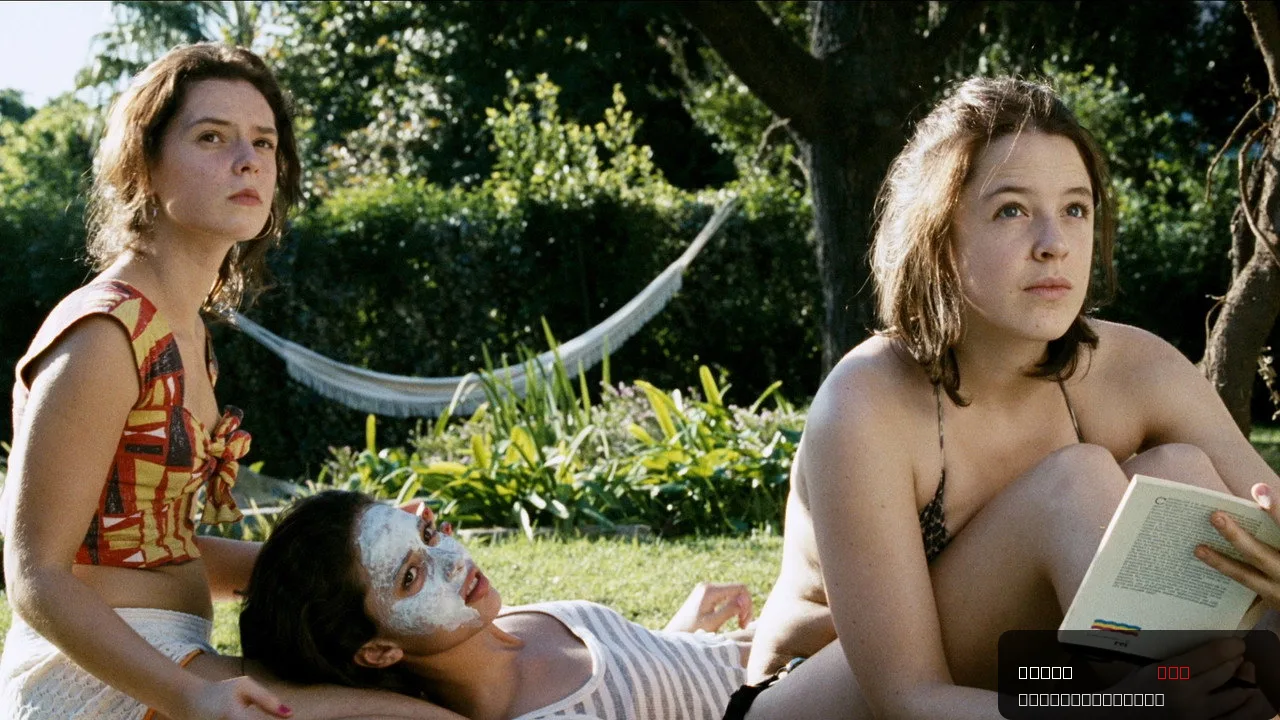
Her third feature, "The Currents," opens in US theaters May 29 via Kino Lorber and will also open the 12th edition of Filmadrid alongside support from Cineteca Madrid, DAMA, Atalante, and the embassies of Switzerland, Spain, and Andorra. The film follows three teenage sisters—Marina, Sofía, and Violeta—processing the loss of the grandmother who raised them, each moving through grief differently in a house full of memories, responsibilities, and tensions that never quite resolve. There's a sequence early on where Marina stands in the grandmother's kitchen, not crying, just standing there holding a dish towel, and the camera holds on her for what feels like two full minutes (it might be ninety seconds, but the stillness stretches it). That's Mumenthaler's method. She won the RTVE Otra Miranda Award at San Sebastián for this one.
Think of her work as occupying similar emotional territory to Lucrecia Martel's Argentinian family dramas — slow-burn, female-centered, uninterested in neat answers. If you've watched "La Ciénaga" and wondered why more cinema doesn't operate in that register, Mumenthaler's your answer.
Her earlier features — "Back to Stay" (2011, Golden Leopard winner at Locarno) and "Abrir puertas y ventanas" (2016) — have had limited Indian streaming presence, occasionally appearing on MUBI, which has historically been the primary port of entry for Locarno and San Sebastián circuit films in India. No Indian OTT platform has announced a deal for "The Currents" yet, but Kino Lorber's US release combined with Filmadrid's institutional backing suggests the infrastructure for a wider window is being built. Movie OTT will update India streaming availability as deals confirm.
Rodrigo Sorogoyen and the State of Spanish Cinema
Palme d'Or-nominated Spanish director Rodrigo Sorogoyen joins the "State of Things" conference strand alongside Alauda Ruiz de Azúa ("Los Domingos," the series "Querer") and Sandra Romero ("As Silence Passes By"). His film "The Beloved," which premiered in Competition at Cannes 2025 and drew a reported seven-minute standing ovation, represents exactly the kind of genre work Spanish cinema has been punching with lately.
What makes this year's "State of Things" conference different is its thematic spine. ECAM Forum coordinator Valverde didn't want to talk about distribution or financing. Instead, the entire conference centers on the image itself — photography, witnessing, AI, what cinema's role is when we're drowning in visual noise.
"As the 2025 edition drew to a close, one set of images came to dominate public attention," Valverde explained. "Disturbing scenes prompted renewed reflection on the boundaries between photography, journalism, images of violence, and the role of witnessing events as they unfold. At that moment, it became clear to us that this year's theme could only be to reflect on the image itself. Not from a pessimistic standpoint, but from a more humanistic one that places artistic creation and cinema in particular, in a crucial position for contributing new realities amid this over-saturation of images."
That's not a conference theme. That's a manifesto. It tells you what the industry actually cares about right now.
The Pitching Program: Where 50 Projects Fight for Co-Production Deals
The masterclasses and talks get the press attention. The pitching program is where careers actually get made.
Over 50 projects in development or post-production will pitch this June, spanning shorts, features, and TV series, seeking co-financing, co-production deals, and distribution across Europe, Latin America, and the Middle East. ECAM Forum has earned genuine credibility in just three years as a networking hub, which means projects that pitch here could realistically announce co-production deals by fall festival season. Several projects from previous ECAM editions have found their way to Netflix and MUBI's global catalogues within 18 months of the market.
The Göteborg Film Festival's Nostradamus Report will also present at ECAM Forum this year, fresh off its Cannes launch. The report has historically flagged industry-wide shifts in distribution and financing 12 to 18 months before they become conventional wisdom. Given the current instability in streaming deal structures, its findings this cycle could shape how projects pitch themselves.
Additional speakers include filmmaker Celia Rico, performer-writer Violeta Gill, artist-essayist Joan Fontcuberta, and Beatriz Navas (former head of Spain's ICAA). Johanna Koljonen will present the Göteborg findings.
Where to Find These Films If You're Watching from India
Here's the honest picture for Indian audiences tracking this event.
"The Currents" enters US theatrical release May 29 but hasn't announced an Indian OTT home yet. This is typical for Kino Lorber releases — they take 6–12 months to clear Indian rights after theatrical. MUBI remains the most reliable Indian platform for Locarno and San Sebastián-circuit films, so watch that space first if you want to catch Mumenthaler's work.
Rodrigo Teixeira's producing credits tell a different story. "Call Me By Your Name" is available on Netflix India. "I'm Still Here" (Walter Salles' Oscar-winning Brazilian drama) landed on Netflix India post-awards season. Robert Eggers' "The Lighthouse" streams via Amazon Prime Video India. If you're building a Teixeira-produced watchlist while waiting for "The Currents" to clear, that's a solid starting point.
For Sorogoyen's "The Beloved" — no streaming home has been confirmed for India yet post-Cannes. The film should follow a similar trajectory to his previous work, which typically clears Indian rights 8–12 months after major festival runs.
Hard to say if these conversations at ECAM Forum directly impact Indian availability (they don't), but the films that get co-financed here do tend to find global distribution faster than solo national productions. The market's influence on where your catalog goes is real, even if it's invisible.
What Comes Next: Three Days That Shape Festival Cinema
The thing nobody mentions about events like ECAM Forum is that the masterclasses and talks are often less important than the dinners afterward — but the public programming signals whose work the industry considers essential. This year's lineup says Mumenthaler, Teixeira, and Sorogoyen are exactly that.
Watch for any Sorogoyen-adjacent projects that surface from the pitching program. His presence as a speaker brings his production circle into the room, and Spanish genre cinema has been punching well above its weight at Cannes recently. If you're following which directors and producers are building the next generation of European cinema, ECAM Forum's pitching slate matters.
By early September, you should know which projects announced co-production deals in Madrid. By next year's festival season, some of those deals will premiere at Venice or San Sebastián. That's the timeline. Three days in June, echoes for two years.