Tadanobu Asano Shines in 'All the Lovers in the Night' at Cannes
Tadanobu Asano returns to the spotlight at the 2026 Cannes Film Festival with All the Lovers in the Night, a poignant exploration of solitude and connection directed by Yukiko Sode. This film, based on Mieko Kawakami’s novel, arrives three years after the acclaimed Shoplifters, offering yet another deep dive into human emotion.
The Film's Essence: Light, Shadow, and Connection
All the Lovers in the Night is a visual meditation on light and shadow. Director Yukiko Sode shares, "My interpretation of the book was that it was about light," emphasizing how crucial illumination is — not just in filmmaking, but in understanding ourselves. This film asks us to look beyond the surface, exploring the often blurry boundaries of visibility and introspection as Fuyuko, a freelance proofreader, navigates her inner world.
What You Should Know
- Premiere Date: May 17, 2026, at Cannes.
- Runtime: 139 minutes.
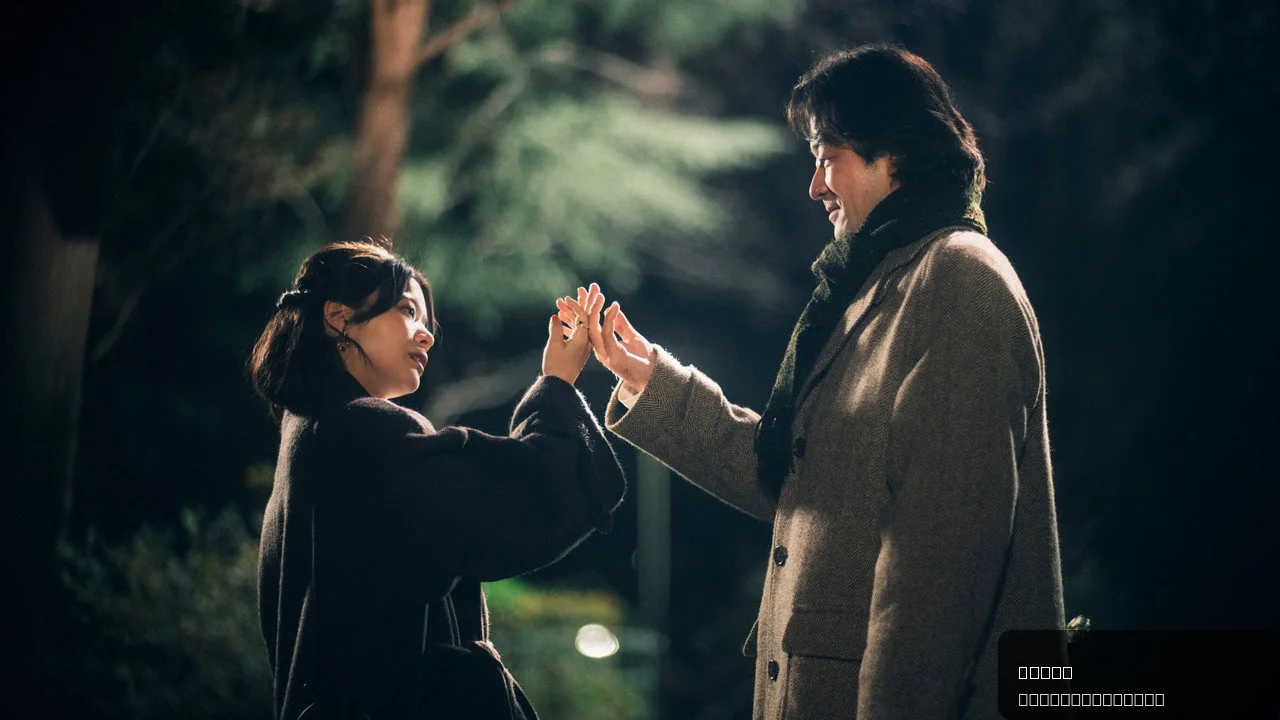
- Director & Cast: Directed by Yukiko Sode, it stars Yukino Kishii as Fuyuko and Tadanobu Asano as Mitsutsuka, a reserved high school physics teacher.
- Where to Watch: Interested viewers should keep an eye on Movie OTT for streaming availability updates.
A Narrative of Transformation
The story revolves around Fuyuko's carefully structured life, which shifts dramatically after she meets Mitsutsuka (Asano). Their tentative romance unfolds slowly, reflecting on the complexities of isolation and the yearning for connection. Reviews highlight the film as a "challenging, insightful Japanese drama" that uses experimental storytelling techniques to convey profound themes. I found the authenticity of the characters' emotional struggles particularly compelling, and the choice to shoot on 16mm film adds a tactile richness that enhances the narrative.
Most coverage frames this as a story of transformation through connection, but the more interesting question is whether it challenges the notion of solitude as a negative state. Fuyuko's journey isn't just about finding love; it's about redefining her own narrative in a world that often equates being alone with being lonely.
Sode and Asano: A Powerful Collaboration
Yukiko Sode has a reputation for nuanced storytelling, and her adaptation of Kawakami’s work is no exception. Tadanobu Asano, whose performances are often unforgettable, brings his unique intensity to the character of Mitsutsuka — adding depth to their evolving relationship. This return to Cannes mirrors Asano's recent success in the TV adaptation of Shogun, expanding his recognition among Western audiences.
Incorporating philosophical dialogues regarding perception and light, All the Lovers in the Night aligns with contemplative films like Lost in Translation. The pacing encourages viewers to reflect: What does it mean to truly see and be seen by another? The part I am most curious about is how the film's quiet moments — like the scene where Fuyuko stands in her dimly lit apartment, just listening to the city breathe — resonate with audiences accustomed to more bombastic narratives.
The Timeliness of Its Themes
At a moment when many crave stories that address isolation, especially post-pandemic, this film's arrival at Cannes couldn’t be more timely. Streaming platforms have reported a surge in demand for introspective narratives, making this film a prime candidate for wider distribution. For viewers in India, platforms like Netflix and Amazon Prime Video are also increasingly essential for accessing foreign films. Check Movie OTT for local availability updates — complete with regional subtitles.
What’s Next for All the Lovers in the Night
The film's festival circuit will be crucial for securing distribution deals, and the upcoming trailer promises to showcase its cinematic depth. I'm excited to see how audiences will engage with its themes. The success of Sode’s work could open doors for adaptations of more of Kawakami's acclaimed literature.
For anyone drawn to stories about the human condition, All the Lovers in the Night offers an inviting exploration of light, shadow, and emotional connection. Mark your calendars — this film could be a significant part of this year's cinematic conversation.