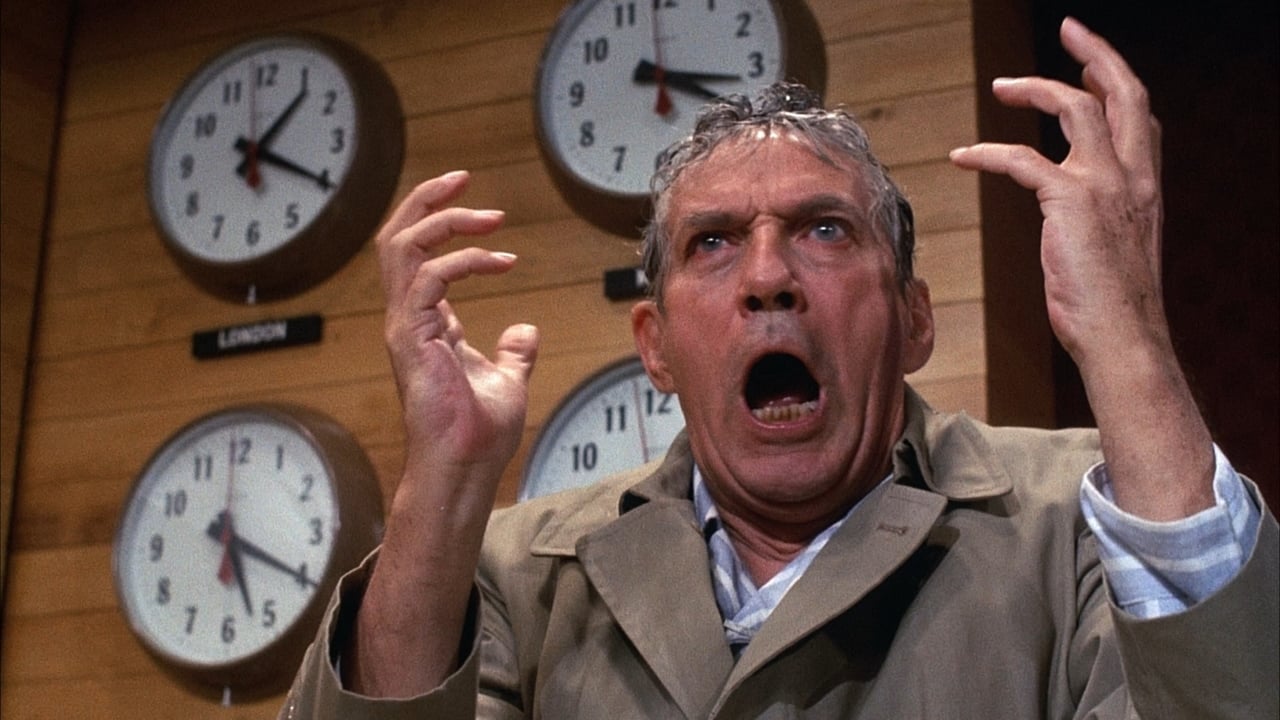
Colbert's Visa Snag: CBS News Stumbles on a Global Stage
Stephen Colbert took a humorous jab at CBS News during "The Late Show," poking fun at the network’s mishap in covering a significant summit in China. While all news teams were on the ground, CBS’s Tony Dokoupil found himself broadcasting from Taiwan—“At most one country away,” Colbert joked. This light-hearted critique reveals a bigger issue: the challenges news organizations face when navigating international protocols.
Why CBS's Coverage Matters for Streaming Viewers
For those relying on CBS News for updates, this visa debacle meant missing direct coverage from China—a blow to audiences looking for timely insights. Instead of reporting from the summit, Dokoupil's reports from Taiwan felt distant. Geopolitical discussions were happening just out of reach. This change also nudged viewers towards other networks like ABC, where David Muir was covering the event more thoroughly. It’s a reminder that logistical hiccups can impact media coverage, and viewers often have to adapt quickly.
But here's the real kicker: CBS's stumble wasn't just a logistical failure, it was a strategic misstep that highlights a bigger question—are traditional news networks prepared for the rapid-response demands of the streaming age? It's not just about being there; it's about being ready to pivot when plans fall through.
What This Visa Snag Means for Colbert's Audience
This incident raises questions about what viewers can expect from CBS in the future. If networks can’t secure reporters on the ground, audiences may seek alternatives—particularly in the competitive streaming landscape. Colbert’s witty remarks bring attention to these gaps, but they also highlight the importance of real-time news access.
What if CBS had contingency plans to ensure coverage regardless of visa issues? Look—streaming services like CBS All Access need to be ready for anything, and a back-up team could make the difference. This isn't just about one mishap—it's about a pattern of readiness that viewers will come to expect.
Late Night Legacy: What's Next for Colbert and CBS?
As "The Late Show" gears up for its series finale on May 21, 2026, Colbert’s witty commentary might become a defining feature of its legacy. His unique brand of humor has pushed boundaries and offered sharp political insights. But with his departure, what’s next for CBS? The network will need to cultivate new talents and find a fresh voice to engage a digital-first audience—especially as streaming continues to evolve.
Expect changes. CBS's next late-night offering will be crucial. Will it stick to the same format, or will they embrace innovation? Time will tell.
Staying Informed: Alternatives for Indian Viewers
For our readers in India, there are multiple ways to stay updated. With platforms like Netflix, Amazon Prime Video, and Hotstar, viewers have options to catch global news coverage. Movie OTT’s streaming availability tracker is particularly useful for accessing various sources. As regional language content becomes a norm, Indian viewers can explore a wealth of alternatives without missing out—especially with CBS's recent coverage gaps.
In the wake of the China visa mishap, it's clearer than ever: diversifying your news sources is essential.
Closing Thoughts: What’s Next in the Streaming Landscape?
As we watch the landscape of late-night television change, CBS's visa hurdles point to a need for flexibility and adaptability in news reporting. With Colbert's exit, networks must not only fill a void but innovate to keep audiences engaged. I can’t help but wonder if these challenges will push CBS to refine its global strategy.
Curious about the latest in streaming news? For individualized updates tailored to your region, check out Movie OTT. They regularly update their coverage, ensuring you won't miss a beat.