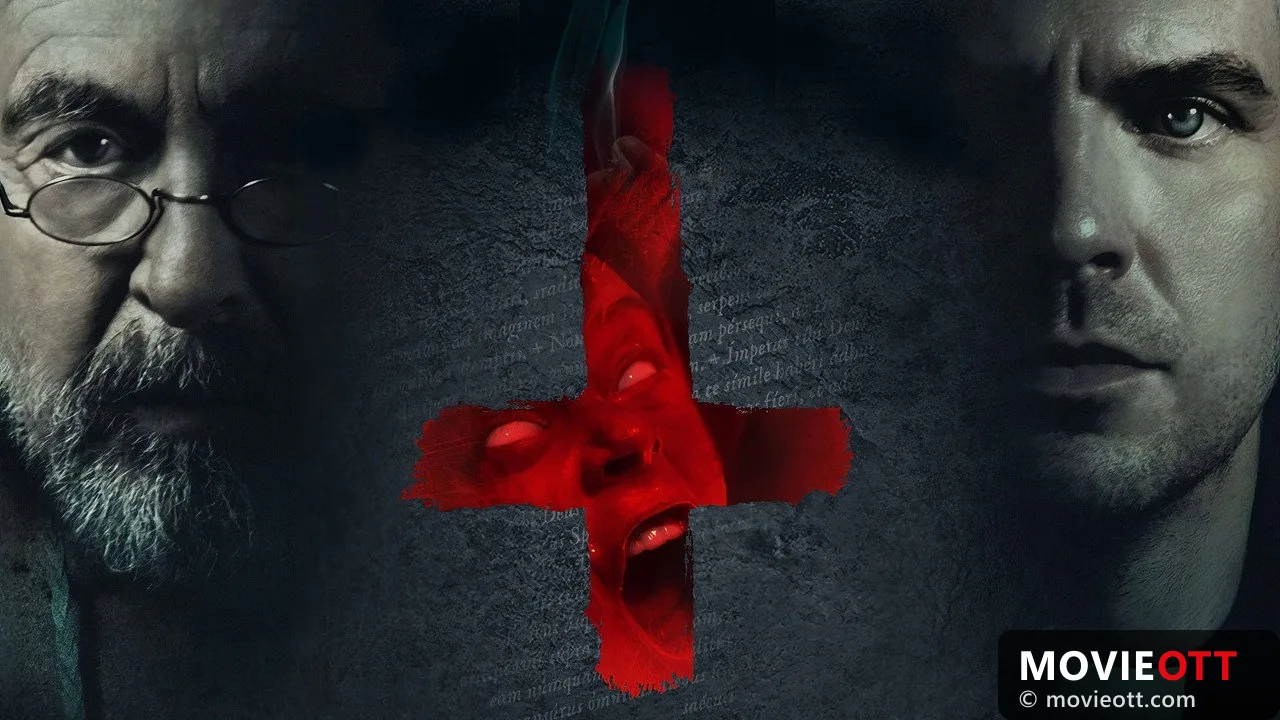
9 Temples to Heaven: The Thai Debut That Could Define Arthouse Cinema in 2026
TL;DR: Thai filmmaker Sompot Chidgasornpongse premieres his debut feature at Cannes Directors' Fortnight in May 2026 — a one-day temple pilgrimage film about a family trying to extend their grandmother's life through ritual. Produced by Apichatpong Weerasethakul's company, it's competing for the Caméra d'Or and already drawing comparisons to Drive My Car. No streaming home confirmed yet, but expect news within weeks of the festival.
The film in 60 seconds
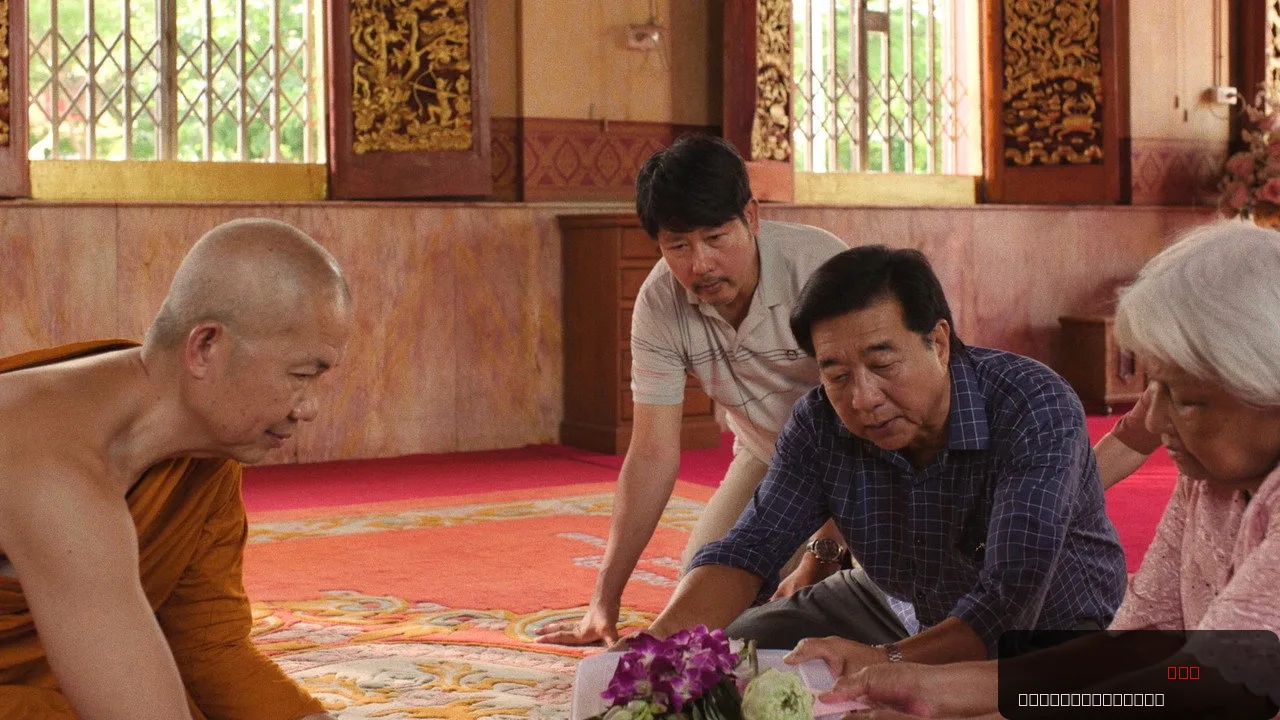
A family of nine wakes before dawn to take their elderly grandmother on a merit-making pilgrimage across nine Buddhist temples in Thailand — all in a single day. The ritual is real, the belief is sincere, but the day doesn't go as planned. That's the entire premise. What the film does with it, how it sits inside the tension between inherited religious practice and modern skepticism, is what's drawing serious attention from the arthouse world.
Key facts:
- Director: Sompot Chidgasornpongse (first feature)
- Producers: Kick The Machine Films (Apichatpong Weerasethakul's company), At A Time in Thailand
- Festival premiere: Cannes Directors' Fortnight, May 2026
- Competition: Caméra d'Or (best debut at Cannes)
- Runtime / Rating: Not yet confirmed
- Where to watch: No streaming deal announced; theatrical distribution pending
Twenty-three years as the invisible hand in Thai cinema
Here's what most film writers miss: Sompot Chidgasornpongse didn't emerge from nowhere. He's been in the room for nearly every major work by Apichatpong Weerasethakul — Tropical Malady (2004), Syndromes and a Century (2006), Cemetery of Splendour (2015), Memoria (2021). As assistant director on those films, he watched one of world cinema's most distinctive voices work. Now Weerasethakul produces his debut.
That's not nepotism. That's apprenticeship. Weerasethakul won the Palme d'Or in 2010 for Uncle Boonmee Who Can Recall His Past Lives — a film built on the same contemplative, spiritually loaded atmosphere that runs through 9 Temples to Heaven. The DNA is there. The difference is voice.
Before film, Chidgasornpongse trained as an architect, then completed an MFA at CalArts. Architecture shapes how he thinks about cinema. "We were trained to first think about the overall plan and layout before dealing with the details," he told Variety. "Perhaps because of that, I often see the structure of my films first, including my short films, even before I fully know the stories that will eventually exist within them."
The single-day, temple-to-temple structure isn't decorative. It's load-bearing. The skeleton everything else hangs on.
Why Chidgasornpongse made this film — and what it actually says
The most revealing thing Chidgasornpongse said about his own work came in Cannes press remarks. "Making offerings at nine temples within one day, which my family and many Thais also practice, feels like one of the ultimate manifestations of those beliefs. Though my critical side has always questioned the effectiveness of the promised outcomes, I continued to practice those rituals, sometimes simply to please my family, or to give myself peace of mind. I'm interested in those contradictions."
This is crucial. He's not making a devotional film. He's not debunking religion either. He's sitting in the uncomfortable middle — that place where most real people actually live — and asking what it means to participate in rituals you're not entirely sure you believe in. It's a question that doesn't require Buddhism to land. It works for anyone who's ever prayed when they weren't sure prayer worked, or shown up to family rituals out of obligation mixed with love.
The film was shaped by Thailand's political turbulence after King Bhumibol Adulyadej's death in 2016. That moment "created many fractures within society and even within families, especially between the older and younger generations, in terms of how differently they view established sacred institutions and where the country should be heading," Chidgasornpongse explained. Family fractures. Generational conflict. Sacred institutions under pressure. Those are universal themes dressed in Thai clothes.
The comparison that matters: Drive My Car proved the market exists
I keep thinking about Drive My Car (Ryusuke Hamaguchi, 2021). Here was a three-hour Japanese film with no major stars, built on patient observation and emotional specificity. It won the Oscar for Best International Feature and grossed approximately $2.4 million in North American arthouse theatrical alone. That's a real number. A substantial number. It proved the audience exists for slow cinema that trusts its viewers.
9 Temples to Heaven sits in similar territory — ensemble cast, culturally specific ritual, generational family conflict, a structure that rewards patience. The international production slate (six co-producers across five countries: Singapore, France, Norway, China, Hong Kong, Indonesia) signals confidence. That's not a small bet. That's a coordinated play to build a film that travels.
For Indian audiences specifically, this film's premise isn't foreign. A family undertaking a temple pilgrimage to seek blessings for an ailing elder? That's Tuesday in much of India. The more relevant comp for the Indian market isn't Drive My Car — it's Lijo Jose Pellissery's Churuli (2021) or even Payal Kapadia's All We Imagine as Light (2024), which proved that Indian audiences will seek out contemplative, festival-circuit cinema on streaming platforms when the word-of-mouth is strong enough, and that MUBI's Indian subscriber base is hungry for exactly this kind of programming. The specific ritual may be Buddhist Thai, but the emotional logic maps directly onto practices across Hindu, Jain, and Sikh traditions. Temple visits. Offerings. The hope that ritual can alter fate. The doubt that creeps in anyway. Same conversation, different languages.
Where it will stream — what we know, what's pending
As of now, no streaming home has been confirmed for any region. Here's the realistic roadmap:
Most likely first window:
- MUBI (globally) — the smart money. MUBI already carries Apichatpong's catalog, giving them a ready audience for anything adjacent. The platform's model matches this film's pacing and audience profile.
- Netflix (select regions) — possible, given Netflix's appetite for Cannes arthouse acquisitions, especially from Asia.
Possible but less likely:
- Amazon Prime Video — less likely given the film's deliberate pacing
- Criterion Channel — if a distributor wants to position this as a canonical text
- SonyLIV / JioCinema (India specifically) — possible for later licensing windows, unlikely for first run
Theatrical: A limited theatrical release in major cities (Mumbai, Delhi, Bangalore) is plausible through PVR Cinemas or independent art-house circuits, depending on who picks up Indian distribution rights.
Movie OTT's where-to-watch tracker has the current confirmed availability for 9 Temples to Heaven across all platforms and regions — bookmark the title page for updates as deals get announced.
Language: Subtitled English will be the standard. Hindi, Tamil, or Telugu dubbed versions are extremely unlikely for a film of this type. That's fine — this is work where language texture matters.
The Cannes verdict and what happens next
The Caméra d'Or decision lands before Cannes closes in late May 2026. A win — or even a strong jury mention — immediately shifts the distribution calculus. It'd trigger bidding from platforms looking to shore up their arthouse credibility.
Watch for:
- The first international trailer drop (likely within weeks of the festival)
- A North American theatrical pickup announcement
- UK release through Curzon or BFI distribution
- Possible Sundance or Toronto 2026 slot if the team extends the festival run before going to streaming
Chidgasornpongse said simply: "Premiering our film there is my greatest honor." That kind of sincerity — from someone who spent 23 years watching the industry from inside before stepping forward — carries weight.
What makes this different from quiet films that didn't travel
The thing nobody mentions is distribution infrastructure. Apichatpong took decades to build an international audience. Chidgasornpongse's debut arrives at a moment when that infrastructure already exists — festivals know how to program slow cinema, platforms know how to market it, audiences have proven they'll watch it. That changes everything about the film's odds.
The six international co-producers signal something else too: this wasn't made in isolation. It was made for the international circuit from the ground up. The financing, the post-production timeline, the festival strategy — all coordinated across borders. That's a different animal than a Thai indie that happened to impress festival programmers. From what I gather, the word on the lot is that at least two European sales agents were circling the project before the Cannes selection was even announced (though that part is still rumour).
Most coverage frames Chidgasornpongse's debut as a protégé story, the student finally stepping out of the master's shadow. The more interesting question is whether he can build a career outside Kick The Machine's orbit. Weerasethakul's production banner gives the film instant credibility and festival access, but it also sets a ceiling: every review will measure him against Apichatpong, and that's a comparison almost nobody wins. His architecture background, that structural instinct he keeps talking about, is the clearest signal that he's after something formally distinct. "Making offerings at nine temples within one day" isn't just a plot device — it's a structural principle. Nine points on a map. One day's worth of light. A family's worth of presence. Each element proportional.
The larger picture: why this matters right now
Slow-cinema debuts from Asia have never been more commercially viable. The market proved it with Drive My Car. It proved it again with Aftersun (Charlotte Wells, 2022), which found its streaming home on MUBI and expanded into broader theatrical release. Both films used deceptively simple premises — a car ride, a beach holiday — to excavate something much larger about family and memory.
9 Temples to Heaven follows that blueprint. One day. Nine temples. A family. What the film finds in those constraints is the question: what do we owe each other across generations? And what happens when ritual and belief don't quite line up?
That's the film coming to Cannes in May 2026. Movie OTT will have streaming availability updates the moment distribution deals land. For now, the waiting part begins — but it won't be long.