Why the Mask Matters: Horror's Most Iconic Masked Killers, Ranked
TL;DR: Fewer horror movie killers wear masks than you'd think — and that scarcity is precisely why the ones who do hit so hard. From The Collector's sadistic grin to Michael Myers' blank white face, this deep-dive ranks and contextualizes horror's greatest disguised predators, with streaming guides for every major region.
The number that reframes everything
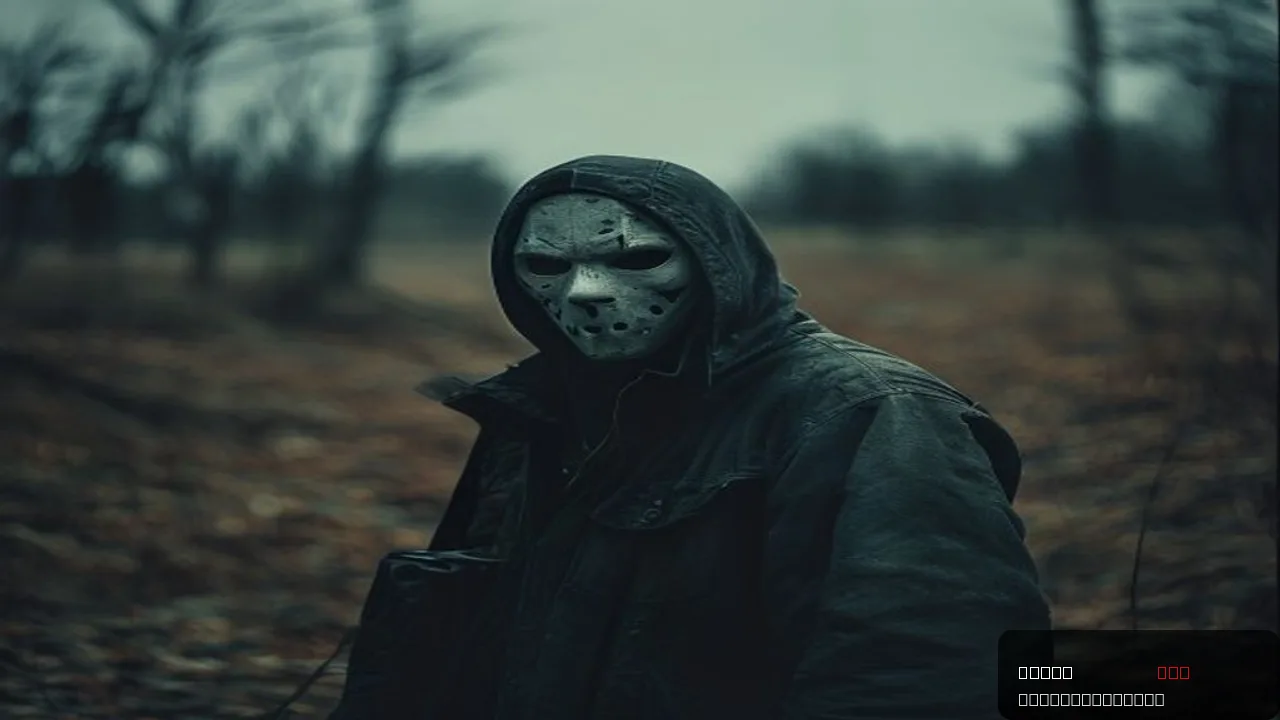
Twenty. That's how many masked killers Collider's writers Tom Moore and Ryan Heffernan could credibly rank when they sat down to build the definitive list — and honestly, that's a shockingly small number for a genre that has produced thousands of horror films over the past century. Think about it: horror cinema has given us ghosts, demons, vampires, werewolves, and interdimensional monsters by the hundreds. But a killer who genuinely, meaningfully wears a mask as part of their identity? Rarer than you'd expect. That scarcity is the whole point. When a masked killer does appear, the mask isn't costume — it's iconography. It's a psychological weapon before a single drop of blood is spilled.
Who made the list and what they have in common
The ranking, published on May 11, 2026, spans five decades of horror cinema, pulling from slashers, home-invasion thrillers, supernatural horror, and even mockumentaries. The killers profiled include:
- The Collector (The Collector, 2009) — Juan Fernández as a methodical sadist who rigs houses with deadly traps
- Sam (You Might Be the Killer, 2018) — Fran Kranz in a Groundhog Day-meets-slasher premise; the mask literally possesses its wearer
- The Killer (Alice, Sweet Alice, 1976) — a cherub Halloween mask and yellow raincoat; Giallo-inflected 70s horror
- Tomás (The Orphanage, 2007, dir. J.A. Bayona) — a sack-masked ghost-child; Spanish supernatural tragedy
- Animal Mask Killers (You're Next, 2011) — the wolf, the tiger, the lamb; motivations deliberately left unresolved
- Leslie Vernon (Behind the Mask: The Rise of Leslie Vernon, 2006) — meta-slasher mockumentary, Nathan Baesel in an underrated performance
- The Man (Hush, 2016, dir. Mike Flanagan) — John Gallagher Jr., featureless white mask, terrorizing a deaf author in her own home
- The Phantom Killer (The Town That Dreaded Sundown, 1976) — based on actual unsolved murders in Texarkana, 1946
- Bayfield Babyface Killer (Happy Death Day, 2017) — the smiling baby mask inside a Blumhouse time-loop slasher
- Shadyside Killers (Fear Street trilogy, 2021) — Netflix's R.L. Stine adaptation, multiple masked antagonists across three films
The list doesn't stop there — it climbs toward the undisputed giants of the genre, the names that turned masks into merchandise and nightmares into franchises. Michael Myers. Jason Voorhees. Leatherface. Ghostface.
The Collider ranking was published May 11, 2026, and sits within a long tradition of horror-ranking journalism that sites like Screen Rant and CBR have also tackled from different angles.
Why masks work — the psychology behind the fear
Here's what the list makes you think about: the mask removes humanity. Full stop. That's the mechanics of it. A killer with a visible face, no matter how scarred or manic, is still a person — you can read their emotions, anticipate their next move, maybe even feel a flicker of sympathy. The mask eliminates all of that. You're left with a blank surface onto which your brain projects its worst fears.
The thing nobody mentions often enough is how culturally specific many of these masks are. Leatherface's face-of-skin mask is body horror rooted in rural American anxieties about the family unit turning predatory. Ghostface's Scream mask — borrowed directly from Edvard Munch's The Scream — is horror commenting on horror, a postmodern wink that somehow still delivers genuine dread. Tomás's burlap sack in The Orphanage draws on European Gothic traditions, a fairy-tale monster made real through J.A. Bayona's genuinely heartbreaking direction.
The animal masks in You're Next (2011, dir. Adam Wingard) are a slightly different beast — pardon the expression. Their power comes from what they don't explain. The film gives the killers' employers a motive, but the men in the masks remain almost feral in their blankness. Wingard has spoken in interviews about deliberately keeping the killers' inner lives opaque, and that choice pays off in ways that more exposition-heavy slashers rarely manage.
What's striking is how the list skews toward cult films rather than blockbusters. Behind the Mask: The Rise of Leslie Vernon never broke through to mainstream audiences. Hush premiered on Netflix in 2016 to modest fanfare before Flanagan became the prestige horror name he is today. Even The Collector — which spawned a 2012 sequel, The Collection — exists in a cult corner rather than a mainstream franchise. Masked killers, it turns out, don't always need box-office dominance to become iconic. They need the right mask.
What the Collider writers actually argue
Writing for Collider, Moore and Heffernan make the case that masked slashers have "assembled fan followings even longer than their kill lists" — a phrase that captures exactly why these characters endure across decades of horror cinema. The writers frame the mask not just as a visual device but as a narrative one, noting that killers like Sam in You Might Be the Killer use the mask as "a vessel of great and terrible power" — it's supernaturally unbreakable, and Sam's own face burns when he attempts to destroy it. That's smart genre writing: the mask as curse, not costume.
The pair also make an interesting structural argument: while the slasher subgenre produces the majority of masked killers, home-invasion horror (see: Hush, You're Next) and supernatural thriller (see: The Orphanage, the Fear Street trilogy) have contributed some of the most unsettling entries. Genre crossover, in other words, tends to produce the freshest iterations of the trope.
Movie OTT has tracked audience interest in these films across streaming platforms globally, and the pattern is consistent — cult slashers with distinctive visual identities (masks included) tend to see periodic streaming spikes whenever a new horror release reminds viewers of the archetype.
How these films land for Indian audiences on OTT
For Indian horror fans — and the market is substantial, with Netflix India, Amazon Prime Video India, and JioCinema all investing heavily in genre content — most of these films are accessible, though availability shifts.
Here's the current picture by platform:
- Netflix India: Fear Street trilogy (all three films), Hush, and Happy Death Day have been available on Netflix India; check current listings as rights rotate
- Amazon Prime Video India: You're Next and The Collector have appeared on Prime; availability varies by region
- JioCinema / Hotstar: Older titles like Alice, Sweet Alice and The Town That Dreaded Sundown are harder to source on mainstream Indian platforms — dedicated horror streaming or VPN-accessible libraries are often the route
- SonyLIV / Zee5: Less likely for these specific titles, but worth checking for regional horror roundups
The Orphanage (2007) deserves a special mention for Indian audiences. As a Spanish-language film — original title El Orfanato, directed by J.A. Bayona and produced by Guillermo del Toro — it's exactly the kind of world cinema horror that Indian streaming audiences have embraced strongly since Tumbbad and Bulbbul normalized the idea of non-English genre film. It's available with English subtitles and Hindi dubs on some platforms.
Movie OTT's where-to-watch tracker is the fastest way to verify current Indian availability for any of these titles, given how frequently streaming rights change across regions.
The directors and franchises behind the masks
Several names on this list are worth knowing beyond the films themselves:
Mike Flanagan — Hush (2016) was his third feature, shot in just 23 days on a micro-budget. He's since become one of horror's most respected directors with The Haunting of Hill House (2018), Midnight Mass (2021), and The Fall of the House of Usher (2023) for Netflix. John Gallagher Jr., who plays The Man in Hush, is best known for The Newsroom and 10 Cloverfield Lane.
J.A. Bayona — The Orphanage was his feature debut, produced by Guillermo del Toro. Bayona went on to direct A Monster Calls (2016) and Jurassic World: Fallen Kingdom (2018) before returning to prestige television with Amazon's The Lord of the Rings: The Rings of Power (2022).
Adam Wingard — You're Next (2011) established him as a sharp genre voice; he's since directed Blair Witch (2016) and the Godzilla vs. Kong franchise entries.
Blumhouse Productions — behind Happy Death Day (2017, dir. Christopher Landon, runtime: 96 minutes), one of the studio's most commercially successful mid-budget slashers. The sequel, Happy Death Day 2U, arrived in 2019.
Movie OTT's franchise pages carry the full release and streaming history for the Blumhouse catalog, which is genuinely useful given how many of these films have moved between platforms over the years.
What's next for the masked killer subgenre
The masked killer isn't going anywhere. The Collector 3 has been in various stages of development, with franchise fans watching closely for any greenlight news. The Fear Street universe — based on R.L. Stine's book series and developed at Netflix — has enough source material to sustain additional installments, and the streaming giant has shown appetite for expanding it. Meanwhile, the success of Five Nights at Freddy's (2023) proved that mask-adjacent horror iconography still moves tickets.
Hard to say if the next great masked killer has already been filmed and is sitting in a festival queue somewhere, or if they're still being written. But based on the history — from the Phantom Killer's unsolved Texarkana murders in 1946 to the Fear Street Shadyside mythology in 2021 — the mask keeps coming back. For the latest streaming availability of every film on this list across India, the US, the UK, and Spain, Movie OTT has the current picture updated in real time.