Destiny 2 Is Officially Shutting Down — Here's What That Actually Means
Bungie's Destiny 2 will receive its final content update on June 9, 2026, ending nine years of live-service support. The game itself will remain playable after that date, but the pipeline of new seasons, expansions, and story content stops there. Nathan Fillion, who voiced the beloved character Cayde-6 throughout the franchise's entire run, won't be returning for new material either.
This isn't just another live-service shutdown. It's a signal about what happens when even the success stories run out of runway.
Nine Years Is Statistically Weird
Here's the thing about live-service gaming that gets buried in industry reports: survival is the exception, not the rule.
Anthem lasted two years. Babylon's Fall made it less than twelve months. Concord — Sony's heavily promoted 2024 shooter — was delisted within two weeks of launch. The live-service graveyard is full of titles that arrived with bigger marketing budgets and fresher IP than Destiny 2 ever had.
Yet Destiny 2 kept the lights on for nine consecutive years. Across two console generations. Through a pandemic that reshaped how people spend entertainment time. That's not just longevity; it's structural market dominance, the kind of staying power most film franchises don't achieve without a reboot cycle.
The numbers back this up. According to industry tracking by Newzoo, live-service gaming generated over $70 billion globally in 2025, but the vast majority of that revenue concentrates in fewer than a dozen titles. Destiny 2 was consistently in that tier. Lifetime revenue estimates across both games put the franchise well over $1 billion — comparable to mid-sized film franchises in terms of IP value.
What's striking is that Bungie's real achievement wasn't building a technically superior game. It was building one that people kept paying for — through expansions, season passes, cosmetics — for nearly a decade without a major reset. That's the hard part.
The Final Update: What Bungie Actually Told the Community
The announcement didn't come via press release or Sony investor call. It came the way most live-service goodbyes do now — via the official Destiny X account, posted on a regular Tuesday afternoon.
The statement was described as "heartfelt" by community members, which is the kind of word studios use when they know people are going to be upset. But Bungie included a meaningful operational detail: a maintenance team will remain attached to the title to keep servers running and the game playable going forward, similar to how the original Destiny is still accessible today.
This matters. A lot of live-service exits have been brutal — servers killed with 30 days' notice, years of player progress rendered inaccessible. Bungie didn't pull the plug entirely. That's worth acknowledging.
The June 9 update itself hasn't been detailed yet, but given how these things typically go, expect some kind of narrative sendoff for major characters and possibly community events. The studio has two months to make it meaningful.
Nathan Fillion and the Character That Made Players Mourn a Video Game NPC
Before the business story, there's a name that matters: Nathan Fillion.
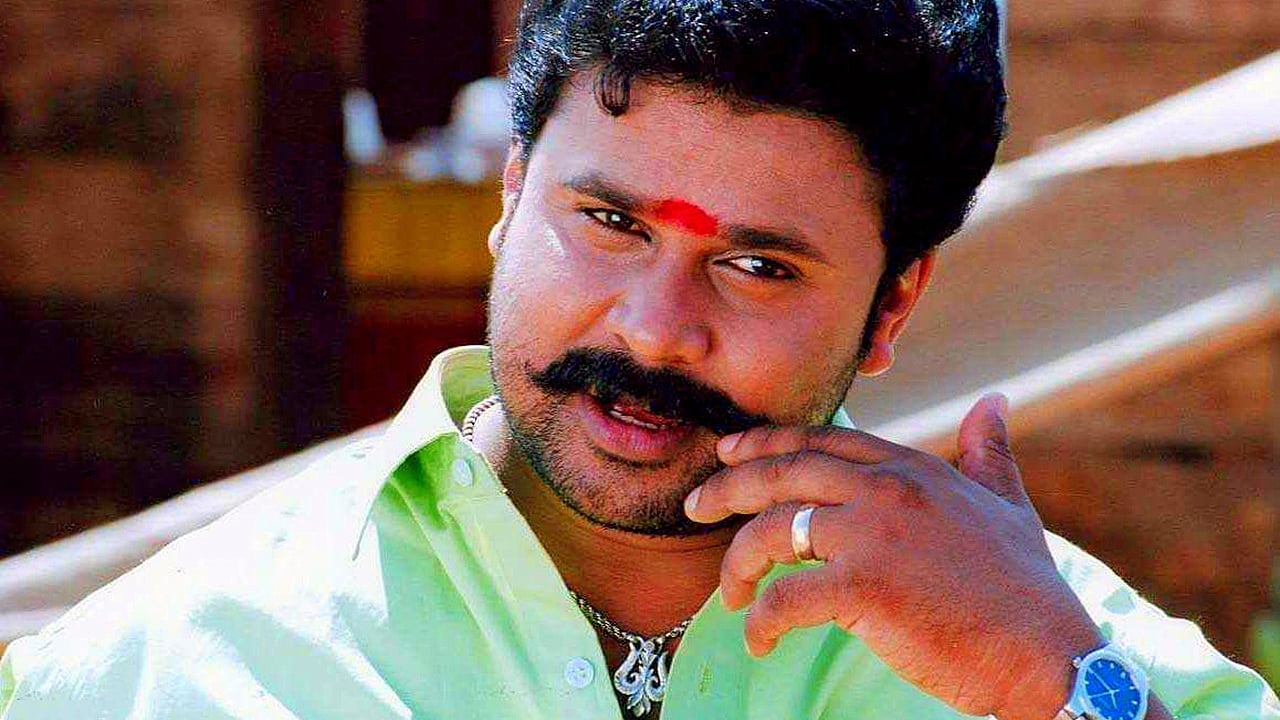
Since 2014, Fillion provided the voice of Cayde-6, the Exo Hunter Vanguard with the wisecracking personality and inexplicable charm. Fillion — you know him from Castle, from 9-1-1, from various cameos across streaming — brought a looseness to the role that made Cayde-6 feel genuinely irreplaceable when Bungie killed him off in the Forsaken expansion's opening mission in 2018, a scene where the character's Ghost is destroyed before he takes a bullet from Prince Uldren, and the player can't do a single thing to stop it.
The community reaction was disproportionate. Players posted eulogies. Forum threads ran for hundreds of pages. Eventually, Bungie brought the character back in a later expansion — a decision that tells you everything about how commercially significant Fillion's performance had become to the franchise's identity.
What's wild is that this is standard video game voice acting work. Fillion didn't do a prestige television run here. He showed up, delivered lines about space battles and Vex incursions, and somehow became the emotional anchor for a game that millions of people invested thousands of hours into. His twelve-year tenure with Destiny — one death, one resurrection, now one final curtain call — represents one of the more interesting voice-acting careers in gaming history, even if it never made the awards-circuit conversation.
What This Means If You're Playing in India
Destiny 2's shutdown lands differently depending on where you're sitting, and that's worth unpacking for the Indian gaming audience specifically.
India's gaming market crossed $3.8 billion in 2025 according to FICCI's Media and Entertainment Report, with mobile gaming dominating at roughly 85% of total spend. PC and console live-service titles like Destiny 2 occupy a smaller but growing segment — particularly among urban players aged 18-34 in metros like Bengaluru, Hyderabad, and Mumbai. That audience has been building for the last five years.
For that community, Destiny 2's end signals something broader: the live-service model that major Western studios have been exporting aggressively to emerging markets isn't actually permanent infrastructure. It's a commercial arrangement with a shelf life.
What does this mean practically?
- Server access: Bungie has committed to keeping Destiny 2 playable post-June 9. Indian players on PC (Steam) and PlayStation should retain access.
- New content: June 9 is the final update. No new seasons, no expansions, no seasonal battle passes.
- Free-to-play status: Destiny 2's been free since 2019, so Indian players aren't losing a paid product — just the content pipeline.
- Streaming adaptation prospects: Destiny isn't a film or TV property yet, but given the IP's value, an adaptation is plausible. Movie OTT's gaming-IP tracker monitors franchise developments, and if a Destiny series or film materializes, Indian streaming rights would likely land on Netflix or Prime Video, both of which have shown appetite for gaming adaptations following Arcane and The Last of Us.
The broader takeaway: this is a useful data point for how sustainable the live-service export model actually is in emerging markets. It isn't a failure — Destiny 2 made money for nine years — but it's not the permanent revenue stream studios promised investors.
Why Bungie's Parent Company Is Probably Sweating
Bungie, acquired by Sony in 2022 for $3.6 billion, has had a rough few years since that deal closed.
That valuation was built substantially on the assumption that Destiny would continue generating live-service revenue indefinitely, or that Bungie would ship a successful follow-up. Neither happened on the timeline Sony's finance team projected. In 2024, the studio laid off approximately 17% of its workforce — a move Bungie CEO Pete Parsons attributed to underperformance against financial forecasts.
Here's what's honest about that: Sony paid more for Bungie than most mid-sized film studios are worth. For a company whose primary product is now entering a support-only phase. That's not a catastrophe — Bungie's still profitable, the IP still has value — but it's not the kind of return a $3.6 billion investment typically promises. For context, Sony acquired Insomniac Games (the studio behind Spider-Man 2, which sold over 11 million copies in its first three months) for $229 million in 2019. Bungie cost nearly 16 times as much. I keep coming back to that ratio because it tells you exactly how inflated the live-service premium was during the 2021-2022 acquisition cycle, and how badly the math has shifted since.
Most coverage frames Destiny 2's end as a nostalgia story — fans mourning a beloved game. The more interesting question is whether Sony can extract enough residual value from this IP through adaptation, licensing, or a sequel to justify even half of what it paid. At $3.6 billion, the break-even math doesn't work on sentiment alone. It requires a franchise pipeline that, as of today, doesn't exist.
Bungie retains rights to the Destiny universe, and the lore is genuinely rich enough to support adaptation — multiple alien civilizations, a post-apocalyptic Earth, a sentient moon-sized sphere called the Traveler. Whether Sony greenlights a Destiny 3, an animated series, or a live-action film remains unclear. Hard to say if the company will commit major resources to the IP after the recent financial pressures, but writing off a billion-dollar franchise entirely would be strange.
What Actually Happens on June 9 — and What to Watch For
Timeline: June 9, 2026 and beyond
- Final content update ships. Expect narrative closure for key characters and possibly community events.
- Servers remain live. The game doesn't disappear; it just stops getting new material.
- No official announcement yet on Destiny 3 or a franchise successor.
- Sony's next earnings call will likely address Bungie's product roadmap directly — watch for any forward guidance.
- Potential casting or development news around a Destiny film or TV adaptation, which industry observers have flagged as the logical next step for the IP.
The live-service era itself isn't ending. Fortnite, GTA Online, and Final Fantasy XIV show the model still works at scale. But Destiny 2's closure is a useful data point: even the success stories eventually stop, and when they do, the real value of the IP becomes clear. Or doesn't.
Where Destiny Stands Now
Destiny 2 final content update: June 9, 2026. The game will remain playable. Nathan Fillion voiced Cayde-6 from 2014 through the end. Bungie, now a Sony subsidiary, has not announced a successor title. For franchise tracking — including any film or television development — Movie OTT has current coverage and will update as adaptation news confirms.
Twelve years. One franchise. One voice actor who made a space robot the most mourned character in gaming history.
Not a bad run.