Battlestar Galactica's Legacy: Outshining Black Mirror in Sci-Fi Storytelling
In a surprising twist, Battlestar Galactica's profound narrative depth triumphed over Black Mirror's speculative flair, showcasing the former's unparalleled ability to tackle complex themes in just one gripping episode.
What's happening
In the realm of science fiction television, Battlestar Galactica (2004) has emerged as a defining series that not only redefined the genre but also managed to outshine contemporary classics like Black Mirror. The show’s premiere episode, "33," aired shortly after the events of 9/11, resonating deeply with its audience through its exploration of survival, morality, and the relentless pursuit of hope amid chaos. As it delves into a post-apocalyptic world where humanity is on the verge of extinction, Battlestar Galactica sets itself apart by weaving together political intrigue and philosophical dilemmas, proving that it can deliver a more impactful narrative than Black Mirror in a single hour of television.
Why this matters
The landscape of sci-fi series has evolved dramatically over the past two decades, with platforms increasingly investing in original content that challenges viewers' perceptions of technology and humanity. While Black Mirror has garnered acclaim for its episodic structure and cutting-edge storytelling, its inability to consistently deliver follow-up narratives often leaves viewers wanting more. Battlestar Galactica, on the other hand, introduced a serialized format that allowed for character development and intricate plots to flourish, paving the way for future series like The Expanse and The Mandalorian.
The success of Battlestar Galactica can be attributed to its timely themes, which mirrored societal anxieties during the War on Terror. This parallel not only enriched the viewing experience but also positioned the series as a cultural touchstone, ultimately influencing how subsequent sci-fi narratives approached contemporary issues. As streaming services like Netflix and Disney+ continue to invest in genre programming, Battlestar Galactica serves as a reminder of the power of storytelling grounded in real-world relevance, appealing to audiences seeking more than mere entertainment.
Background and history
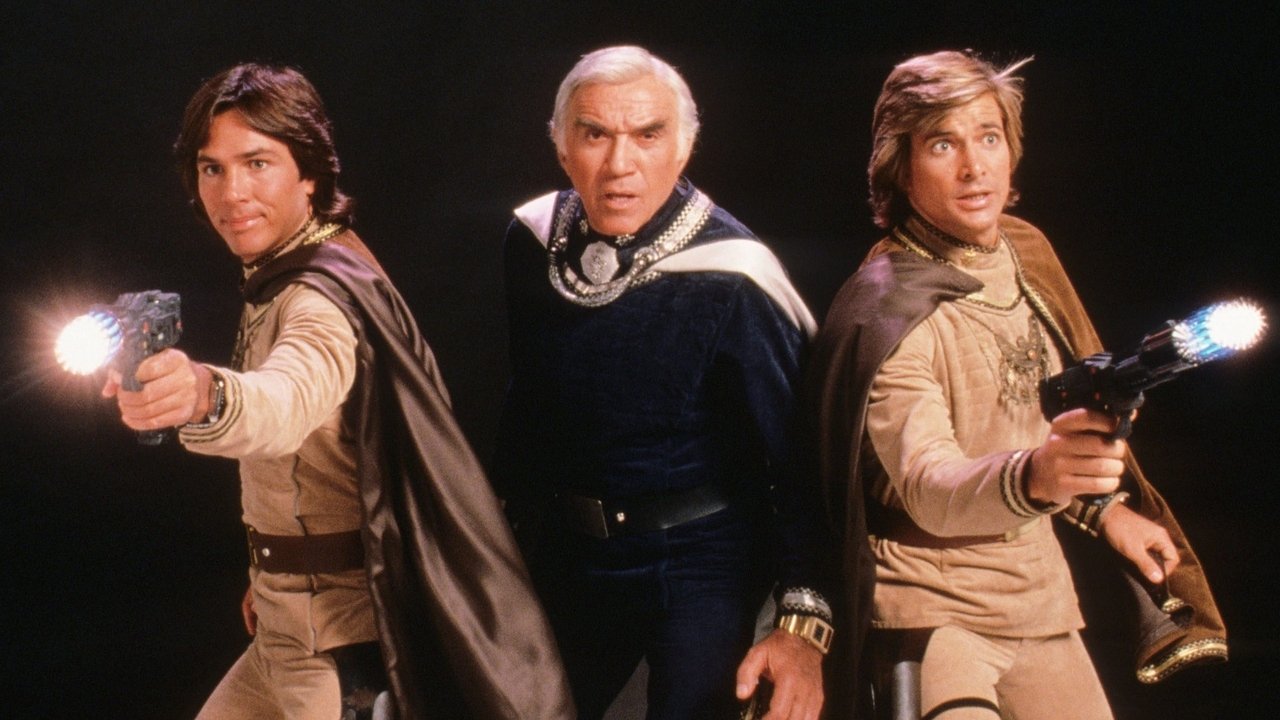
Battlestar Galactica was born from a reimagining of the 1978 series of the same name, which was largely considered a space opera that borrowed heavily from Star Wars. The modern adaptation, spearheaded by Ronald D. Moore, emerged in 2004, following a successful miniseries that laid the groundwork for a more nuanced narrative. The show features a talented ensemble cast, including Edward James Olmos as Commander William Adama and Mary McDonnell as President Laura Roslin, both of whom deliver powerful performances that elevate the material.
The series ran for four seasons, concluding in 2009, and has since gained a cult following. Its historical significance is underscored by its ability to address a variety of themes—ranging from the consequences of war to the struggles of governance—while navigating the complexities of human nature. The show’s ability to question the very essence of what it means to be human, especially through the introduction of the Cylon menace—machines that can mimic humans—adds layers of intrigue and moral ambiguity that many shows have since attempted to replicate.
Where to watch
As of now, Battlestar Galactica is accessible through various streaming platforms, making it convenient for new viewers and long-time fans alike. It can be found on:
- Peacock: The complete series is available for streaming.
- Amazon Prime Video: It can be purchased or rented by episodes or full seasons.
- iTunes and Google Play: The series is available for purchase, allowing users to own the episodes digitally.
- Hulu: A selection of episodes may be available based on subscription tiers.
While availability may vary by region, these platforms ensure that Battlestar Galactica remains accessible to a global audience eager to experience its groundbreaking storytelling.
What viewers should know
Q: How many seasons of Battlestar Galactica are there?
A: The series consists of four seasons, totaling 75 episodes, including the original miniseries.
Q: Is Battlestar Galactica suitable for younger audiences?
A: The series contains mature themes and intense scenes, making it more appropriate for adult viewers.
Q: What are the main themes explored in Battlestar Galactica?
A: Key themes include survival, morality, the nature of humanity, and the impact of technology on society.
Q: Are there any spin-offs or related series?
A: Yes, there are spin-offs like Caprica and Blood & Chrome that expand on the Battlestar Galactica universe.
Q: How does Battlestar Galactica compare to Black Mirror?
A: While Black Mirror explores speculative technology and its consequences, Battlestar Galactica focuses on character-driven narratives that address existential crises in a relatable context.
Conclusion
Battlestar Galactica reshaped the sci-fi genre with its profound storytelling and complex characters, outpacing contemporaries like Black Mirror in thematic depth and societal relevance. For those looking to explore more impactful narratives, we recommend diving into the universe of Battlestar Galactica, as well as other notable sci-fi series available on platforms like movieott.com. As streaming continues to evolve, it’s clear that shows grounded in rich storytelling will always hold a special place in the hearts of viewers.