Q'orianka Kilcher's Lawsuit: A New Chapter in AI and Digital Likeness Rights
The recent lawsuit by actress Q'orianka Kilcher against James Cameron raises significant questions about the use of digital likenesses in film and the implications of artificial intelligence on actors' rights.
What's happening
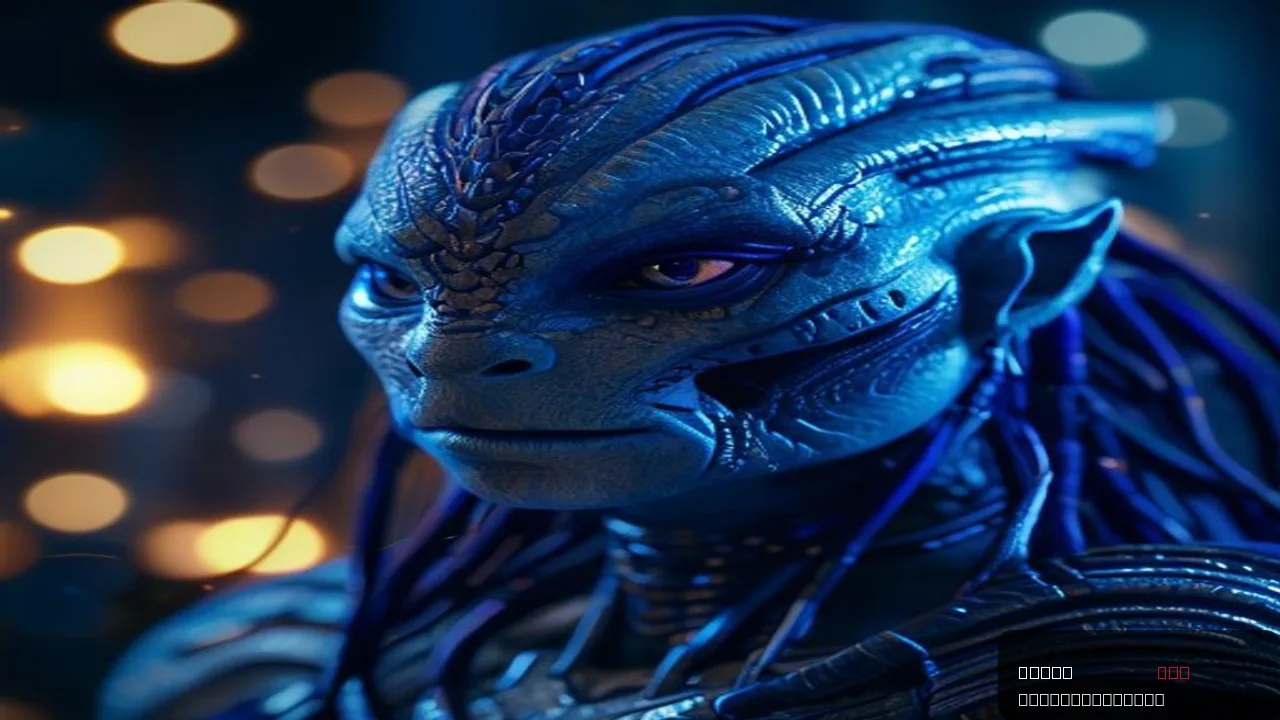
On May 5, 2026, actress Q'orianka Kilcher filed a lawsuit against the renowned filmmaker James Cameron, along with The Walt Disney Company and Twentieth Century Fox. The lawsuit stems from Cameron's claim that the character Neytiri in the "Avatar" franchise was inspired by Kilcher's facial features, specifically her chin. The actress contends that Cameron's portrayal of Neytiri in "Avatar" (2009) constitutes unauthorized use of her likeness, which she argues is a violation of her rights. By asserting that her facial features were extracted rather than merely being a source of inspiration, Kilcher's legal action highlights a growing concern over the intersection of AI technology and individual rights in the entertainment industry.
Why this matters
The implications of this lawsuit extend far beyond a single actress's claim. With the rise of AI-generated imagery and the increasing use of digital likenesses in film and television, the entertainment industry faces unprecedented challenges regarding ownership and representation. As streaming platforms like Netflix and Disney+ continue to dominate the market, the stakes have never been higher for performers and their likenesses. The "Avatar" franchise, which has already grossed billions at the box office, serves as a critical backdrop for these conversations.
In recent years, the industry has witnessed a surge in discussions surrounding cultural appropriation, representation, and the ethical use of technology in filmmaking. Kilcher’s lawsuit exemplifies these themes, as it questions the extent to which filmmakers can draw from real individuals without consent. As AI technology evolves, it raises ethical and legal dilemmas that could redefine the relationship between actors and studios. This case could set a significant precedent, influencing how likeness rights are negotiated in contracts and how actors protect their digital images in the future.
Background and history
Q'orianka Kilcher is best known for her role as Pocahontas in Terrence Malick's "The New World" (2005) and has gained further recognition for her work on the television series "Yellowstone." Her lawsuit against Cameron comes at a time when Hollywood is grappling with issues of representation and the ethical implications of using AI in storytelling. James Cameron, a celebrated director and producer, is known for his groundbreaking work in visual effects and storytelling, particularly with the "Avatar" franchise, which revolutionized the use of 3D technology and motion capture.
The original "Avatar" film, released in 2009, became the highest-grossing film of all time, a title it held for nearly a decade. Its sequel, "Avatar: The Way of Water," released in December 2022, further expanded the franchise's universe, grossing over $2 billion worldwide. The success of these films has paved the way for a series of sequels, making "Avatar" a cornerstone of modern cinema. Given this context, Kilcher's lawsuit not only challenges Cameron but also raises crucial questions about the future of digital representation in film.
Where to watch
As of now, the "Avatar" franchise is available for streaming on multiple platforms, including Disney+ and Hulu in some regions. The first film is also available for digital purchase on platforms like Amazon Prime Video and Apple TV. However, due to the ongoing legal proceedings, it's unclear how the lawsuit might impact the availability of these films in the future. For fans eager to revisit Neytiri's world, the original "Avatar" is currently accessible through these major OTT platforms.
What viewers should know
Q: What is the basis of Q'orianka Kilcher's lawsuit against James Cameron?
A: Kilcher claims that Cameron used her facial features, specifically her chin, as inspiration for the character Neytiri without her consent, amounting to unauthorized use of her likeness.
Q: How does this lawsuit relate to AI technology in filmmaking?
A: The lawsuit highlights concerns over the ethical implications of using digital likenesses and AI-generated imagery, raising questions about ownership and representation in the industry.
Q: What impact could this lawsuit have on the entertainment industry?
A: If successful, Kilcher's lawsuit could set a precedent for how likeness rights are negotiated and could influence future contracts regarding digital representations of actors.
Q: Where can I watch the "Avatar" films?
A: The "Avatar" films are available for streaming on Disney+ and for digital purchase on platforms like Amazon Prime Video and Apple TV.
Q: What does the term "Right of Publicity" mean in this context?
A: The Right of Publicity refers to an individual's right to control how their image, likeness, or persona is used commercially, which is central to Kilcher's claims against Cameron.
Conclusion
The lawsuit filed by Q'orianka Kilcher against James Cameron is not merely a legal battle; it represents a significant moment in the evolving landscape of digital rights and representation in the entertainment industry. As technology continues to advance, the implications of AI on actors’ likenesses will only grow more complex. For viewers interested in the ongoing saga of "Avatar" and its implications, this case serves as a reminder to engage critically with the content we consume. Keep an eye on developments in this case and its potential impact on future projects at Movie OTT, where we'll continue to track these essential issues in the realm of film and streaming.