The Legend of Zelda Film Moves Up One Week — Here's What That Actually Signals
TL;DR: Nintendo and Sony Pictures bumped the live-action Legend of Zelda film to April 30, 2027 (from May 7). Directed by Wes Ball, starring Benjamin Evan Ainsworth as Link. The move-up signals post-production is tracking ahead of schedule — and it's a deliberate bet that late April is a safer box-office corridor than May's crowded blockbuster corridor. For Indian audiences: expect theatrical release on the same date, plus Hindi/Tamil/Telugu dubs on Sony LIV within 6–9 months.
On May 13, 2026, Shigeru Miyamoto — Nintendo's legendary co-creator of the Zelda franchise — posted a single announcement to X. The film wrapped in April. Post-production was moving fast. And the release date was being pulled forward by one week.
That's not nothing.
Studios don't shuffle release calendars on a whim. When a co-creator personally announces a date acceleration and frames it as the team "working hard to deliver the film to everyone as soon as possible," what you're actually reading is: internal screenings have cleared the hurdle. The cut is solid enough. We're confident enough to move into a tighter corridor.
The Film: Cast, Crew, and What's Locked In
Here's what we know for certain:
- Release date: April 30, 2027 (worldwide theatrical)
- Director: Wes Ball (Maze Runner trilogy, Kingdom of the Planet of the Apes)
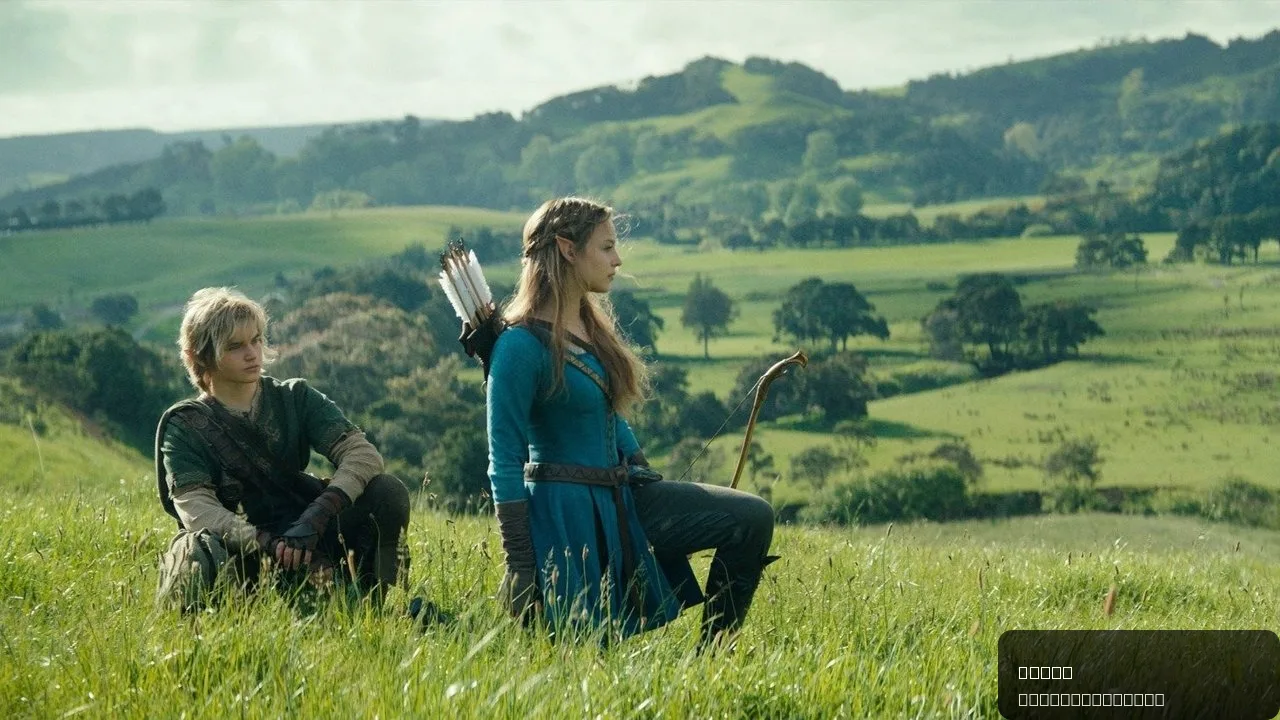
- Link: Benjamin Evan Ainsworth (The Haunting of Bly Manor, Pinocchio)
- Princess Zelda: Bo Bragason (Boiling Point)
- Screenplay: Derek Connolly and T.S. Nowlin
- Distributor: Sony Pictures Releasing
- Filming: Wrapped April 2026 in "lush, natural settings"
- Runtime: Not yet confirmed
- Rating: Not yet confirmed
The live-action adaptation follows the core premise: Link, an elf-like warrior, and Princess Zelda must protect the magical kingdom of Hyrule from the demon warlord Ganon. It's the franchise that's sold over 150 million units since 1986. One of gaming's biggest IP plays, full stop.
This is Nintendo's second theatrical live-action swing. (The Super Mario Bros. film was animated, and it made $1.36 billion globally in 2023.) The company isn't treating Zelda casually. Nintendo is co-producing, which is why Miyamoto's name is on the announcement. That's how you know the stakes.
Why April 30 Matters More Than "One Week Earlier"
Here's what the trade publications don't explain clearly: April 30 isn't just a minor shift. It's a positioning decision.
Moving before May 1 means Zelda captures its entire opening weekend cycle — including the pre-May holiday window in several European markets — before the traditional summer blockbuster flood hits. May 2027 is going to be crowded. April 30 lets the film breathe. It gets its own air.
Compare this to what happened with similar game-to-film adaptations:
- Warcraft (2016): $160 million budget, $439 million global (mostly China). Bombed domestically.
- Uncharted (2022): $120 million budget, $401 million global. Tom Holland couldn't quite crack it.
The pattern is brutal. Game adaptations live or die on whether non-gaming audiences show up. Nintendo learned that lesson from the Mario film's wild success. That success wasn't inevitable — it happened because the film was genuinely good, and because families came. Zelda has a narrower fanbase (skewing younger, more hardcore) than Mario did. The company needs every advantage it can grab.
Pulling the date forward is one of them.
Wes Ball's Track Record: Why This Director Matters
Wes Ball isn't a household name. He should be. His Maze Runner trilogy earned over $950 million globally on lean budgets. Kingdom of the Planet of the Apes (2024) opened to $56.5 million domestically — solid for May — and proved he can handle massive world-building without losing character momentum. That's the exact skill set Zelda needs.
Ball hasn't made a pure fantasy film before. New territory. But his ability to balance action, production design, and emotional beats in large ensemble casts suggests he won't turn this into a soulless spectacle. Most coverage frames this hire as a safe studio pick; the more interesting read is that Ball is the only director on Sony's shortlist whose films have consistently over-performed against their production budgets — Maze Runner: The Scorch Trials cost $61 million and returned $312 million worldwide, a 5:1 ratio that most franchise directors can't touch. That's not just competence. That's capital efficiency, and it's exactly the profile Nintendo would demand for a first live-action outing with this much IP risk on the table.
The fact that Nintendo is this involved in the production suggests they're hedging against exactly that outcome.
For Indian Audiences: Theatrical Release, Streaming, and What's Coming
India's theatrical market has proven it'll show up for large-scale fantasy action. Kalki 2898-AD proved locally made fantasy can clear $100 million globally. Hollywood tentpoles with strong world-building still draw packed houses in Tier 1 and Tier 2 cities across Hindi, Tamil, and Telugu markets.
Theatrical: Expect April 30, 2027 as the global release date — Sony Pictures' India distribution arm will confirm regional scheduling closer to launch, but synchronized global releases are standard for tentpoles this size.
Dubbed versions: Sony's major releases always get Hindi, Tamil, and Telugu dubs in India. Plan on that.
Streaming: This is where it gets murkier. Sony's output deals in India historically favor Sony LIV (corporate synergy), but that's not guaranteed. Netflix and Amazon Prime Video India have both acquired Sony titles depending on deal structure and timing. Movie OTT's India streaming tracker has the current picture on where Sony releases land — and it's worth bookmarking as the April 2027 release approaches. These deals typically get confirmed 60 to 90 days before theatrical release, so watch for announcements starting in February 2027.
One thing to keep in mind: Nintendo has zero theatrical film history in India. The Zelda fanbase here skews younger and more urban than in the US or UK. For Indian audiences, the more relevant comp isn't the Mario animated film — it's Sonic the Hedgehog 3 (2024), which earned roughly ₹30 crore domestically despite Sonic having far less brand equity in India than in the West. That number proved there's a ceiling for game-IP films here unless the marketing campaign actively sells the story beyond the gaming community. Sony's team will have heavier lifting to do. They'll need to sell the film — not just the franchise — which is actually the right approach. Good films transcend their source material. Bad ones hide behind it.
Box Office Expectations: The Mario Comp and Why It's Tricky
Everyone's going to compare Zelda to the Super Mario Bros. film. Unavoidable. Here's why that comparison is useful and misleading at the same time:
Mario had 40 years of universal brand recognition. Kids knew it. Parents knew it. Non-gamers knew it. Zelda's fanbase is passionate — intensely so — but it's narrower. A hardcore gamer audience plus some mainstream crossover is the realistic base case.
Industry consensus seems to be somewhere in the $400 to $600 million global range as a solid outcome. Anything north of $800 million would require genuine crossover into non-gaming audiences — which isn't impossible, but it's not the base case either.
What actually matters: opening weekend. If Zelda clears $130 million globally in its first weekend, the film has legs. If it opens below $80 million domestically, Sony starts having uncomfortable conversations about franchise viability.
The April 30 date move-up is Sony's way of saying: we're confident enough to not hide behind the May rush. A bullish signal.
What Miyamoto's Announcement Really Said
The full text reads: "This is Miyamoto. I would like to let you know that the worldwide theatrical release date for the live-action film of The Legend of Zelda has been moved up to April 30, 2027, from May 7. The team is working hard to deliver the film to everyone as soon as possible. There's less than a year to go until release, so thank you for waiting."
Parse that carefully. "Working hard to deliver...as soon as possible" — that's not boilerplate PR-speak. That's a signal that the cutting room is producing something worth accelerating. You don't pull a theatrical date forward unless you've got something solid in the edit.
The phrase "less than a year to go" is interesting too. It's a casual way of saying: we're close. Post-production is tracking. No disasters behind the scenes. If there were serious problems (reshoots, re-edits, studio disagreements), we wouldn't be moving the date forward. We'd be moving it back.
The Franchise: Why Nintendo Cares This Much
The Legend of Zelda IP is a crown jewel. Not in the way Star Wars or Marvel are. In the way the Beatles catalog is — culturally foundational, generationally beloved, and worth protecting fiercely.
The franchise has moved 150+ million units since 1986. That's Tetris-level penetration (which has sold over 100 million). But unlike Tetris, Zelda is a narrative franchise. It's a world. Each game builds mythology. Players care about Hyrule in a way they don't care about a grid of falling blocks.
That's the leverage Nintendo has. And it's why the company is co-producing instead of just licensing. They learned from the Super Mario Bros. film that when you're this invested in the IP, you don't hand it off to filmmakers and hope. You stay in the room. You make sure the soul of the thing survives the translation.
Miyamoto's involvement in the announcement — rather than letting Sony handle it — is the visible proof of that commitment.
Timeline: What to Watch For Between Now and Release
July–September 2026: First teaser trailer, likely attached to a major Sony theatrical release or dropped at a Nintendo Direct event.
October–December 2026: Full theatrical trailer. Marketing ramps up seriously.
January–March 2027: TV spots, international marketing, press junkets begin.
April 30, 2027: Theatrical release. Global simultaneous (standard for tentpoles).
Late October 2027–early 2028: Streaming window opens (roughly 6 months post-theatrical, per Sony's standard Netflix output deal in the US).
For India specifically, Movie OTT will be tracking the theatrical-to-streaming window as Sony confirms distribution deals through late 2026. The announcement usually comes 60–90 days before the theatrical date. So watch for streaming confirmation starting in February 2027.
Should You Actually Watch It?
Here's my honest read: Yes, if you've got any history with the games — or if you liked world-building-heavy fantasy films like Willow or The Princess Bride.
The cast is solid. The director has proven chops. Nintendo isn't treating this like a cash grab. And the fact that they moved the date forward instead of backward is the most bullish signal we've had yet.
Will it be perfect? Probably not. Translating a beloved game franchise to film is genuinely hard, the kind of thing where you can get the lore right and the tone wrong and still lose the audience that cared most. But it won't be cynical, and it won't be careless.
That's enough to get a ticket.