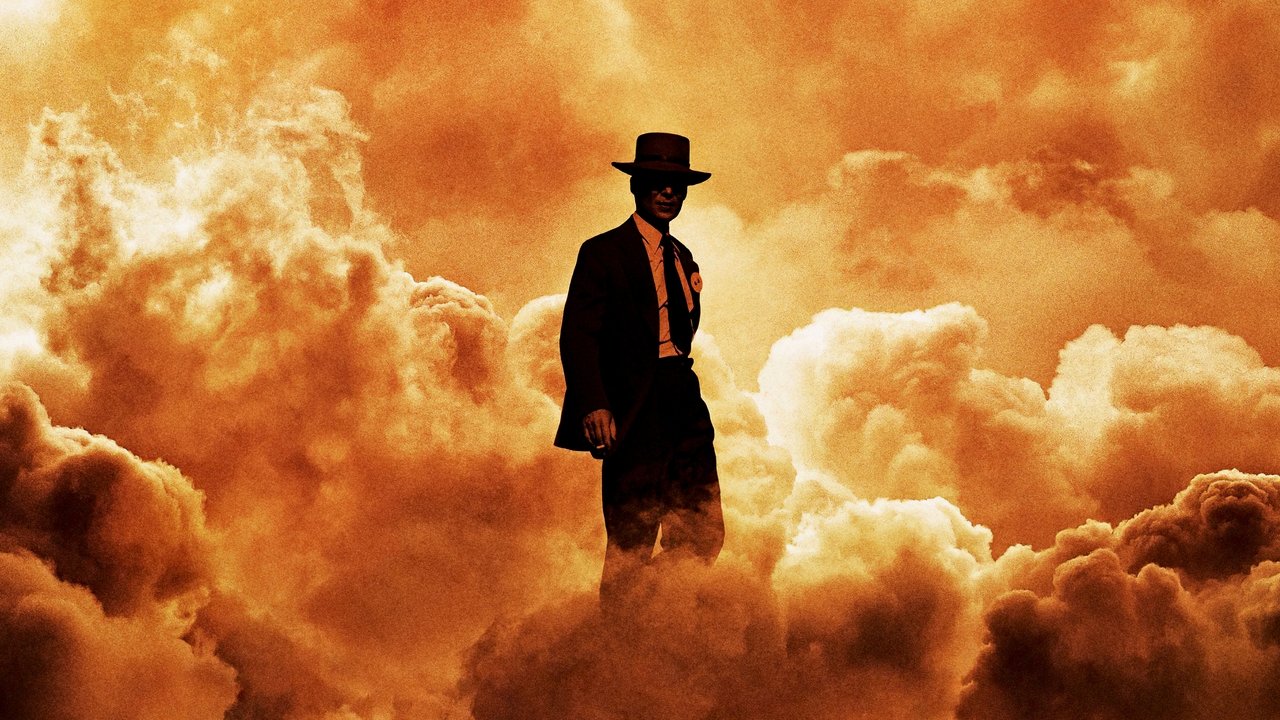
The Odyssey's 2-Hour-52-Minute Runtime Explained: Why Nolan's Second-Longest Film Actually Makes Sense
TL;DR: Christopher Nolan's The Odyssey clocks in at 2 hours 52 minutes—his second-longest film after Oppenheimer's 180 minutes. The $250 million epic drops July 17, 2026, shot entirely on IMAX cameras. Streaming details aren't confirmed yet, but expect a theatrical-first window through Universal. Tom Holland, Matt Damon, and Zendaya lead the cast.
The internet's already complaining about the runtime. Of course it is.
A Reddit user spotted the listing on AMC Theaters' website before any official announcement: 2 hours and 52 minutes. That's 172 minutes—close enough to three hours that the discourse machine fired up immediately. But here's the thing nobody mentions when they're dunking on long Nolan movies: sometimes the length is the whole point.
Why a 172-Minute Epic Actually Fits Homer's Odyssey
The Odyssey isn't being shot on digital cameras with the option to trim in post-production. Nolan shot this entirely on IMAX film—which means every frame is engineered for a specific theatrical experience, and that experience requires time. You don't adapt a 12,000-line poem and cut to 90 minutes. That's not self-indulgence; that's proportion.
Look at Nolan's filmography. Oppenheimer ran 180 minutes and won Best Picture at the 2024 Oscars. It grossed $952 million worldwide—an extraordinary result for a three-hour, R-rated biographical thriller with no conventional action sequences. That success is almost certainly why Universal handed Nolan $250 million to make this thing.
The runtime conversation isn't actually about whether 172 minutes is too long. It's about whether the experience justifies the time. And on IMAX, that argument holds a lot more weight than it does on streaming.
The Cast: Tom Holland, Matt Damon, Zendaya, and the Studio Hedging Its Bets
Universal's casting sheet reads like a deliberate spread across every demographic quadrant:
- Tom Holland as Telemachus
- Matt Damon as Odysseus
- Zendaya as Penelope
- Anne Hathaway in a supporting role
- Robert Pattinson as a returning Nolan collaborator (he was in Tenet)
That's Marvel money (Holland and Zendaya), prestige drama (Damon and Hathaway), and Nolan loyalty (Pattinson). Given the budget, that's a rational hedging strategy. You're not betting on one demographic to carry a $250 million film. What most trade write-ups skip over: this is the first time Nolan has cast two actors whose combined social-media following tops 200 million. That's not an accident—it's Universal pricing in a younger opening-weekend audience that Oppenheimer didn't need and this film, at $250 million, absolutely does.
Where The Odyssey Ranks in Nolan's Runtime History
Christopher Nolan's films, longest to shortest:
- Oppenheimer (2023) — 180 minutes
- The Odyssey (2026) — 172 minutes (reported)
- Interstellar (2014) — 169 minutes
- The Dark Knight Rises (2012) — 164 minutes
- Dunkirk (2017) — 106 minutes
Interstellar at 169 minutes is widely considered his emotional masterpiece. There's no principled argument that adding 3 more minutes creates a problem—especially when the source material is literally one of Western literature's longest narratives.
The reported 172-minute runtime hasn't been officially confirmed by Universal or Nolan's team yet. It surfaced through AMC's backend system, which tends to be accurate but isn't immune to last-minute changes. Still, Movie OTT's runtime tracker has historical data showing these IMAX listings are usually locked in months before release.
What Nolan Actually Said About Making This Thing
Nolan hasn't given extensive press interviews about The Odyssey yet—the film doesn't release until July—but his philosophy on theatrical spectacle is well-documented. During the Oppenheimer promotional cycle, he told Variety: "The goal is always to make the audience feel like they're experiencing something they can't get anywhere else. If we're going to ask people to leave their homes and come to a theater, we have to give them a reason."
That statement hits harder now. The IMAX-camera decision isn't marketing fluff—it's a commercial argument. At $250 million, Universal needs audiences to believe this can't be adequately experienced on a TV or laptop. And honestly? On IMAX, they're probably right.
Theatrical Release July 17, 2026—Here's What You Need to Know
The hard release date is July 17, 2026, global rollout. A few specifics worth tracking:
- Format: IMAX-exclusive shooting means premium-format theaters will have the "intended" experience
- Theatrical window: Universal typically holds films for 90+ days before streaming windows open
- Streaming platform: Not yet announced. Historically, Universal titles land on Amazon Prime Video, but Movie OTT will have confirmation the moment a deal is signed
- Marketing timeline: Expect a full trailer in late June 2026, with pre-sales data coming shortly after
For Indian audiences specifically (and India is a significant market for Nolan films—Oppenheimer earned roughly $6.5 million there, per Box Office India, outperforming every other non-franchise Hollywood release that quarter), the film will likely release simultaneously across major metros. PVR Inox and INOX IMAX screens are the probable premium-format venues. Hindi, Tamil, and Telugu dubs are standard practice for Universal releases at this budget level, though nothing's been confirmed yet.
When Streaming Actually Happens
Right now, this is a theater job. Full stop.
The OTT conversation is realistically a Q4 2026 topic—90+ days after the July 17 theatrical bow. If you're trying to figure out where to stream it in India, the US, or anywhere else, Movie OTT has the where-to-watch tracker that updates the moment platform deals get signed. Bookmark it. Check back in October.
Why the Pre-Release Discourse Doesn't Actually Matter
The complaints about American accents in the trailer, the casting discourse, the runtime hand-wringing—none of it is tracking to anything that has historically dented a Nolan opening. His films open on reputation and spectacle. The discourse settles. Oppenheimer faced similar skepticism ("a three-hour biography about a physicist?"), and it became the most commercially successful adult drama in a decade.
What actually matters in the next two months: an official runtime confirmation (the AMC listing is credible but unverified), IMAX pre-sales momentum, and whether Universal's marketing can make three hours feel essential rather than excessive. The runtime isn't the variable. The execution is.
The Real Question: Is 172 Minutes Actually Too Long?
No. And I keep coming back to Interstellar to explain why. That film is 169 minutes and rarely gets the "too long" complaint anymore. People remember the water planet. They remember the tesseract. They don't remember checking their watch. A three-hour film that delivers on spectacle and character doesn't feel long—it feels complete.
The more honest framing here: every major Nolan release since Dunkirk has run longer than the one before it, and every one has made more money than the last. The audience isn't punishing length. It's rewarding ambition. Studios that try to trim epics to a safe 130 minutes (looking at you, Eternals) tend to end up with films that feel both rushed and bloated at the same time, which is a worse outcome than simply being long.
Whether The Odyssey achieves that is a July question, not a May one. But complaining about the runtime before you've seen it is like complaining about a meal's portion size before you taste the food. You might have a point. You might also just be hungry.
What to Expect Before July 17
The next hard date is the full theatrical trailer, likely arriving in late June 2026. That'll be your first real sense of whether 172 minutes is time spent or time wasted. Runtime discourse will continue online. None of it will matter once the film opens.
For streaming availability across India, the US, the UK, and beyond—check Movie OTT closer to the theatrical window. The OTT window is realistically 90 days out. Until then, this one's a cinema experience.