The Super Mario Galaxy Movie Box Office Explained: Why $964M Wasn't Enough
TL;DR: The Super Mario Galaxy Movie opened April 1, 2026, earned approximately $964 million globally, and is now heading toward digital release — impressive by almost any measure, except one. Its predecessor made $1.4 billion. Here's why that gap matters, and whether the film is worth your time.
Three years after The Super Mario Bros. Movie blindsided Hollywood in April 2023 by banking $1.4 billion on the back of pure nostalgia and near-universal audience goodwill, its sequel has arrived to a more complicated reception. The Super Mario Galaxy Movie is, by any reasonable standard, a hit. Nearly $964 million worldwide as of mid-May 2026, per Screen Rant's tracking. Biggest film of 2026 so far. And yet, in the strange arithmetic of franchise cinema, "biggest of the year" can still read as a disappointment when the shadow you're standing in is your own predecessor's.
What happened here is worth examining carefully — not just as a box-office postmortem, but as a case study in what audiences actually want from video-game adaptations, and how the industry is still getting that wrong.
The numbers: How $964M became a "disappointment"
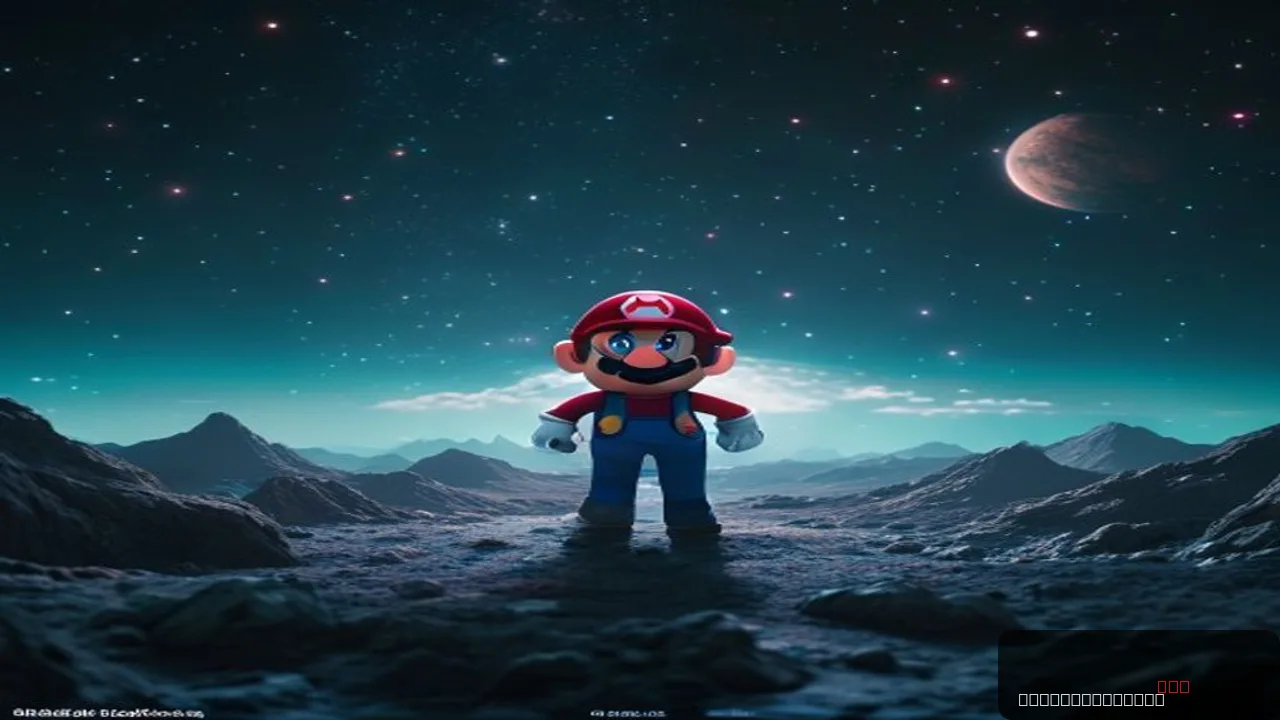
The Super Mario Galaxy Movie opened in theaters on April 1, 2026, directed by Aaron Horvath, Michael Jelenic, Pierre Leduc, and Fabien Polack. Runtime: 98 minutes. Rated PG. Distributed by Universal Pictures.
Here's what you need to know:
- Global box office (as of May 17, 2026): approximately $964 million
- The first film's final gross: $1.4 billion (The Super Mario Bros. Movie, 2023)
- Rotten Tomatoes audience score: 88% (down from 95% for the original)
- Cast: Chris Pratt as Mario, Charlie Day as Luigi
- Digital release: imminent as of late May 2026
The film is now transitioning from theatrical to home release. Movie OTT's where-to-watch tracker is already monitoring the digital and streaming availability rollout across regions, so that's the place to check as platforms confirm their windows.
The thing nobody mentions is that $964 million for a sequel is actually strong. The disappointment framing only makes sense if you accept that $1.4 billion was the baseline. It wasn't. It was an outlier.
Why the first film was a one-time phenomenon
Here's what made the 2023 original work, despite its obvious flaws: it arrived at a specific cultural moment that can't be replicated.
Post-pandemic theatrical hunger. A beloved IP that hadn't been cinematically touched since the catastrophic 1993 live-action disaster (a film so reviled that Bob Hoskins publicly called it the worst thing he'd ever done). Marketing so skillful it managed expectations perfectly. Audiences showed up ready to be charmed rather than impressed. That's not a repeatable formula. That's luck.
The first Mario film wasn't actually a great film. Thin plot. Licensed music choices that felt almost randomly assigned to scenes. Chris Pratt's voice remained a point of genuine bafflement for many. And yet it worked because it was relentlessly fun, and because it trusted audiences to bring their own emotional investment to the material.
Galaxy arrived into a different world entirely. Audiences now have expectations. The novelty premium is gone. And critically, some portion of the first film's audience simply didn't come back. When ticket prices are what they are in 2026, that's a non-trivial revenue hit when you're counting on repeat viewership to push a sequel past its predecessor's gross.
What Galaxy does differently (and worse)
Directors Horvath and Jelenic built their careers on animated television (Teen Titans Go! To the Movies, 2018), and they favor rapid-fire jokes and fan-service payoffs over structural coherence. The first Mario film benefited from that approach because the novelty carried it. Galaxy, by contrast, has been widely critiqued for prioritizing reference density over narrative coherence, particularly in its second half, where the story gives way to a succession of game callbacks that land hard for fans and confuse everyone else.
Per Variety, the film "swings for deeper fandom at the expense of accessibility." That's a meaningful creative distinction when your franchise's first film succeeded largely by welcoming people who'd never touched a controller.
Most coverage frames Galaxy's box-office dip as a simple case of sequel fatigue, but the more honest reading is that Illumination and Nintendo made a deliberate craft choice and paid the commercial price for it. They traded the broad, candy-colored accessibility of the first film for something closer to the contemplative loneliness that defined the original Super Mario Galaxy game — Rosalina's storybook sequence alone plays like a Miyazaki interlude dropped into a Minions movie. That tonal gamble is the real story here, not some vague "audiences moved on" narrative.
The 88% audience score reflects this shift. Not a collapse. The film's still well-liked. But 88% after 95% is a meaningful slide in franchise terms. People enjoyed it. They just didn't feel compelled to bring their friends back to see it again.
The India streaming angle: Where Galaxy actually wins
India is where this story gets interesting.
The Super Mario Bros. Movie performed reasonably well on Indian streaming platforms after its theatrical run, finding a wide audience on Netflix India and Prime Video. The sequel will likely follow the same trajectory — underwhelming in multiplexes, strong on OTT over time. Consider that the first film's Indian theatrical gross hovered around ₹20 crore, a modest figure against its global haul, but its Netflix India streams reportedly placed it in the platform's top 10 for six consecutive weeks after its digital debut. Galaxy doesn't need to crack Indian box office charts; it needs to replicate that streaming stickiness with families who treat animated films as weekend living-room events, not multiplex outings.
Here's what to expect:
- Netflix India is the primary streaming home, given Universal's existing output deal structure
- Prime Video India will carry the film in a secondary window
- JioCinema and SonyLIV are less likely but not ruled out
- Language tracks: Hindi, Tamil, and Telugu dubbed versions are confirmed, consistent with the first film's release
- Timeline: Typically, animated family films in this budget range hit major streaming platforms within 45 to 60 days of theatrical release — so expect access by mid-to-late June 2026
For current streaming confirmation across Indian platforms, Movie OTT's India tracker updates as deals are confirmed in real time. That's your best source for knowing exactly when it lands on Netflix India versus when Prime gets its window.
What the filmmakers were actually trying to do
Producer Shigeru Miyamoto — the creative conscience of Nintendo IP throughout this theatrical run — has consistently emphasized authenticity to the games over broad commercial accessibility. In pre-release interviews, director Aaron Horvath described the sequel as an attempt to "go deeper into the world of Nintendo" and lean into the mythology that hardcore fans have spent decades loving.
That ambition, admirable on paper, may be precisely what created the gap between critical reception and the blockbuster numbers the studio was hoping for. You can't have it both ways. Deep cuts for the faithful alienate the casual viewers who made the first film's $1.4 billion possible.
Should you watch it? And where?
Yes, if you have any fondness for the games or enjoyed the 2023 original. Manage expectations: it's looser and more self-indulgent than its predecessor, but the craft is solid and the visual ambition is genuinely impressive in places. As a one-time watch, it delivers. As a repeat-viewing experience, it's thinner.
Where to watch (as of late May 2026):
- US: Digital purchase/rental available now via iTunes, Google Play, Amazon Prime Video; streaming home TBC
- UK: Prime Video or Netflix, depending on Universal's regional deals
- India: Netflix India (expected June 2026); check Movie OTT for live confirmation
- Spain: Netflix or Prime Video per Universal's European streaming agreements
Runtime: 98 minutes. Rated: PG. Starring: Chris Pratt, Charlie Day.
The second-highest-grossing video game movie ever made. Not a failure. Not the triumph the studio wanted. Something more interesting than either.