Victim (1961): The Perfect-Score Thriller That Actually Changed British Law
TL;DR: A 1961 British noir with a 100% Rotten Tomatoes score, Victim stars Dirk Bogarde as a closeted barrister exposing a blackmail ring targeting gay men. Made for under $200,000, it helped shift public opinion enough to contribute directly to the Sexual Offences Act of 1967. You can stream it now on The Criterion Channel (US), Mubi (India/UK/US), or check Movie OTT for real-time regional availability.
Why This 1961 Film Still Matters More Than You Think
Here's what's strange about Victim: it holds a perfect critics' score on Rotten Tomatoes, it demonstrably helped change British law, and almost nobody you know has seen it.
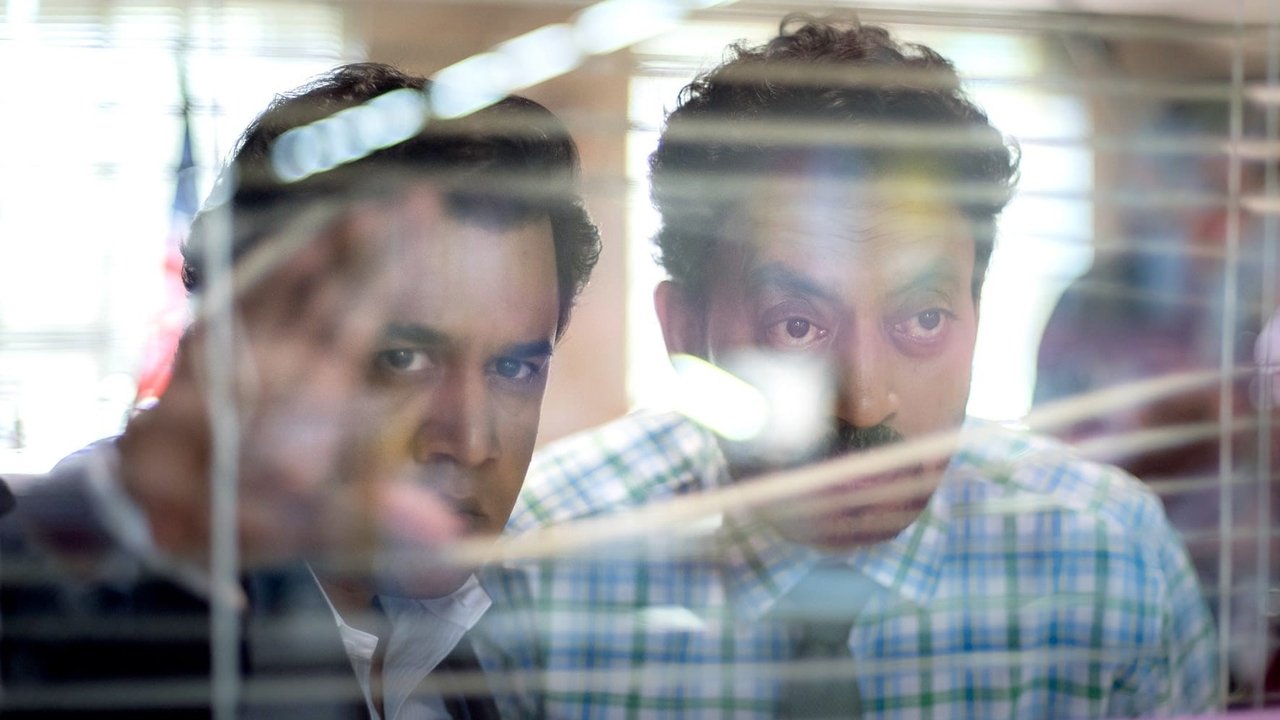
The film opens on a barrister named Melville Farr — played by Dirk Bogarde — on the verge of a judgeship. His life unravels after a young man named Jack "Boy" Barrett dies by suicide rather than continue paying blackmailers who've discovered he's gay. In 1961 Britain, this wasn't just socially ruinous. It was illegal. Consensual same-sex acts between men had been crimes since 1533. Oscar Wilde went to prison under those laws in 1895. This film, six decades later, looked directly at that injustice and said no.
What I keep coming back to is this: films almost never change laws. They shift mood. They inspire dinner-table arguments. They age into classics. But Victim is on an absurdly short list — maybe five films in cinema history — where you can trace a direct line from the movie to actual legislative change. The Sexual Offences Act of 1967, which decriminalized consensual same-sex acts in England and Wales, passed partly because MPs cited the shift in public sentiment since this film's release. The parliamentary record is right there. They named it.
For Indian viewers especially, this lands differently. Section 377 criminalized consensual same-sex acts until 2018, until the Navtej Singh Johar Supreme Court ruling. A film about law weaponized against a minority, about one person choosing to fight back despite personal cost, carries weight when your own country went through that reckoning within living memory.
What the Film Actually Is
Runtime: 100 minutes. Directed by: Basil Dearden. Screenplay: Janet Green and John McCormack, based on Green's direct inspiration from the 1957 Wolfenden Committee Report, a government document that had already recommended sodomy law reform (and was largely ignored until this film helped change the conversation).
The cast:
- Dirk Bogarde as Melville Farr, the barrister
- Sylvia Syms as his wife Laura — her performance as the woman who chooses loyalty over comfortable ignorance is quietly devastating
- Dennis Price as a closeted actor willing to keep paying blackmailers rather than risk exposure
- Peter McEnery as Jack Barrett
Production budget: just under $200,000 (about $2 million in today's money). Original box-office return: $65,000 over budget, which for a socially controversial British noir in 1961 meant the film found its audience despite genuine resistance from theaters and distributors nervous about the subject matter.
The genius of the script is that it doesn't argue about homosexuality. It argues about blackmail, a crime that requires only suspicion, not proof. Dearden frames the entire injustice as a legal and criminal matter, not a moral one. That surgical approach is why it worked. That's also why it still works. Most coverage of Victim frames it as a "brave social statement," and sure, it is. But the more interesting thing is that it's a genuinely tight procedural thriller first, message film second. Strip away the historical context entirely and you've still got a 100-minute noir with a clean structure, sharp performances, and a plot that doesn't waste a single scene. That's the reason it holds up; courage alone doesn't earn a perfect Rotten Tomatoes score sixty years later.
Why Dirk Bogarde Taking This Role Was Genuinely Risky
Bogarde was, at the time, one of Britain's most bankable matinée idols. From what I gather, his agent didn't just advise against it — the word on the lot was that Rank Organisation, which had built Bogarde into a star through the Doctor comedy series across seven films and nearly a decade of box-office dominance, considered the role a direct threat to the franchise value they'd invested in him. In 1961, playing a closeted gay man, even a sympathetic one, could have ended his mainstream career. The studio was nervous.
He did it anyway.
"I knew perfectly well what I was doing," Bogarde said in later interviews, "and I knew it might be the end of everything." The decision is now regarded as one of the braver acts in postwar British cinema. Not because the film preaches about tolerance — it doesn't — but because Bogarde understood the stakes and chose the role despite them.
Producer Michael Relph and director Dearden were equally direct about intent. They told the press this was "an open protest against Britain's law that being a homosexual is a criminal act." No hedging. No studio-speak. Just a statement of purpose from people willing to stake their careers on it.
(The irony: New York Times critic Bosley Crowther praised the film's courage while wondering whether American audiences were ready for it. Mostly, they weren't — not in 1962.)
Where You Can Actually Watch This Right Now
This is where the story gets messy, especially for Indian viewers.
Current streaming availability by region:
- US: The Criterion Channel (subscription), some availability on Mubi
- UK: BFI Player (subscription), Mubi
- India: Mubi remains your best bet, though licensing windows shift seasonally
- Netflix India / Prime Video India / Disney+ Hotstar / SonyLIV / ZEE5: no current listing
There's no Hindi, Tamil, or Telugu dub — unsurprising for a 1961 British production — but English subtitles are standard on legitimate platforms. For Indian cinephiles who engage with classic world cinema, this is absolutely worth tracking down.
Check Movie OTT's streaming tracker for the most current regional availability. It updates when titles shift between services, and it's genuinely the fastest way to find where Victim is actually streaming in your region right now rather than hunting through six different apps.
The Shot That Stays With You
There's a moment midway through when Farr, desperate to protect his career and marriage, tries to convince Jack's grieving mother that going to the police would be pointless. She looks at him — Sylvia Syms doesn't even raise her voice — and says something to the effect of: "You're just like all the others. You're more concerned with your reputation than with what's happening to these boys."
A 30-second scene. The hinge on which the entire film turns.
How a Low-Budget British Film Actually Changed the Law
Let's be concrete about what happened. The film cost under $200,000 and was shot in 10 days. Ten days. That Dearden held it together at all is partly technical efficiency and partly a cast that understood the weight of what they were making.
What I keep coming back to is the timing. The Wolfenden Report had been published in 1957 with its recommendation to decriminalize homosexual acts between consenting adults. Parliament had largely ignored it. The public wasn't convinced. Then Victim arrived in 1961, and something shifted.
By 1967, six years later, the Sexual Offences Act passed. The parliamentary debate explicitly referenced the change in public sentiment since the film's release. MPs acknowledged that the existing law had become, in practice, a mechanism for extortion and blackmail. That argument, almost word for word, is what Dearden puts on screen.
Did the film cause the law to change? No. But it accelerated something that was already moving, and it did so precisely because it was a thriller, not a sermon. It made you care about characters, not abstractions.
What's Next for Victim
A 4K restoration has been discussed in British film preservation circles for years now, though hard to say if that materializes before 2027 (I hear BFI has a backlog that would make your head spin). The existing print holds up well enough for streaming — the black-and-white cinematography is sharp, and the dialogue cuts clean.
Mubi remains the most likely platform to give Victim a properly curated spotlight, especially internationally. The Criterion Channel has been steadily expanding its classic British cinema reach, though Indian licensing remains spotty for older titles.
Movie OTT tracks when Victim surfaces on platforms accessible to you. Check there when you're ready to watch rather than hunting through five different apps only to hit a geo-block.
Should you watch it? Yes. One hundred minutes of precise filmmaking that happens to have changed the world slightly. That combination doesn't come around often.