Trump Posts at 1:52 a.m. About Colbert's Exit — And That's the Real Story
TL;DR: Stephen Colbert's 11-year run on CBS ended May 21, 2026. Trump celebrated it on Truth Social hours later. CBS claims the cancellation was "purely financial," but the FCC is simultaneously pressuring ABC over Jimmy Kimmel's Trump jokes — and nobody's buying the financial explanation alone. Here's what the numbers actually show, where Colbert's archive lives for Indian viewers, and why this matters for late-night TV's future.
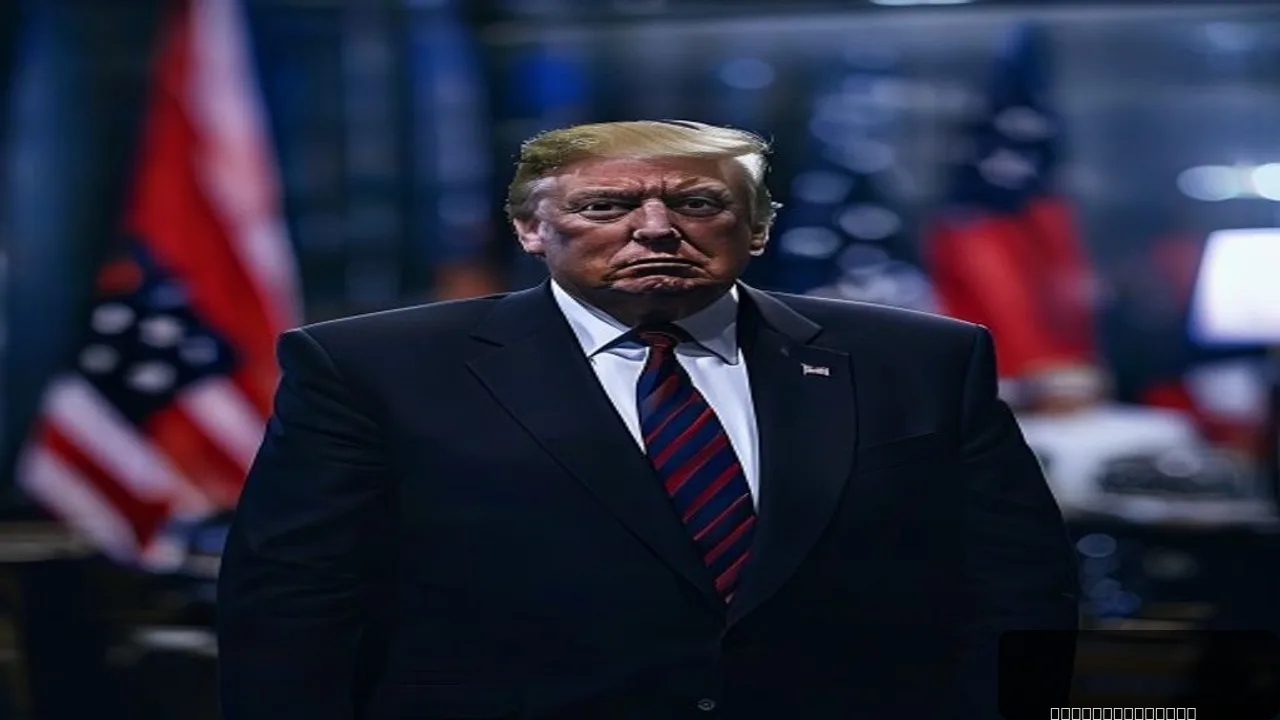
Stephen Colbert hosted his final episode of The Late Show on May 21, 2026 — and before sunrise, Donald Trump was already on Truth Social calling him "a total jerk" with "no talent, no ratings, no life."
The timestamp was 1:52 a.m. ET. Not a morning tweet. Not a planned statement. A 1:52 a.m. victory lap.
This isn't really a story about Colbert's exit — though the finale itself was genuinely graceful, with Paul McCartney appearing to literally turn off the Ed Sullivan Theater lights, the same stage where The Beatles debuted in 1964. This is a story about what his cancellation reveals about the current relationship between broadcast television, the White House, and how much regulatory pressure a network will absorb before it stops hiring people who make political jokes the President doesn't like.
Why CBS Canceled The Show (And What It Won't Say)
The Late Show With Stephen Colbert ran for 11 seasons, from September 8, 2015, to May 21, 2026. That's longer than anyone expected when Colbert took over the Ed Sullivan Theater from David Letterman — a 22-year incumbent whose shadow was enormous. For the first few seasons, Colbert was competitive but not dominant. Then 2016 happened. Trump happened. And suddenly Colbert's version of late-night — unrelentingly political, Catholic-intellectual, willing to go scorched-earth on the President — became the one people watched.
By 2017, The Late Show had overtaken The Tonight Show Starring Jimmy Fallon for the first time in years. Colbert wasn't just doing comedy; he was doing something closer to resistance theater. Fallon, by contrast, famously tousled Trump's hair in a 2016 interview — a moment that still haunts him professionally. Colbert went the opposite direction.
Here's what the ratings looked like at their best: 3.5 to 4 million viewers per night in 2017, according to Nielsen data. By 2025, that had compressed to somewhere around 2.2 to 2.8 million. That's a significant slide. But it's also the entire late-night category's problem — broadcast late-night has hemorrhaged roughly 40% of its total audience since 2019 across all networks, per trade estimates. This isn't a Colbert-specific failure. It's a format collapse.
CBS's official statement: "Purely a financial decision."
That phrasing was always going to fail the credibility test. You don't announce a cancellation of your highest-profile late-night show without acknowledging the political dimension — especially not when the FCC is simultaneously ordering ABC to reapply for broadcast licenses for its eight owned stations on an accelerated schedule. That order came less than a week after Jimmy Kimmel joked that Melania Trump had "the glow of an expectant widow." FCC Chairman Brendan Carr, a Trump loyalist, framed the ABC review as connected to Disney's DEI practices. Maybe. Or maybe the timing is too convenient.
Most trade coverage has treated the Colbert cancellation and the ABC license review as two separate stories. They aren't. They're the same story: the cost-benefit math of political comedy on broadcast TV just changed, and every network CFO in the country ran the numbers the same week. When the FCC can threaten your license renewal pipeline over a late-night monologue joke, the expected cost of employing a political comic doesn't just include salary and production — it now includes regulatory risk premium. That's a structural shift, not a one-off.
What's striking is how little CBS has pushed back on any of this. The network's silence — on the political pressure, on the regulatory risk, on why it didn't move Colbert to Paramount+ instead of canceling outright — is itself a kind of answer.
Colbert's Response: Direct, Barely Filtered, Perfectly Controlled
When Trump told his followers last summer that he "absolutely love[d]" Colbert getting fired, the host's reply was characteristically sharp. On air, with the expletive bleeped, Colbert told the President to "go fuck yourself." YouTube picked up the clip immediately. It circulated. The message was clear without needing to be subtle.
What's interesting is that Colbert has been careful — almost lawyer-like — about whether he attributes his cancellation to political pressure. When asked directly last fall, he said it was "a reasonable thing to think" but that it wouldn't be "fruitful" for him "to engage in that speculation." That's what someone says when their legal team is in the room. Fans gathered outside the Ed Sullivan Theater on May 21, though, were less diplomatic. Several told Variety they believed CBS killed the show because Trump wanted it gone.
The timing certainly suggests something. Trump celebrates the cancellation. CBS goes silent on motive. The FCC starts scrutinizing ABC. Networks start thinking twice about hiring political comics.
What This Pattern Actually Means for Broadcasting
Colbert's cancellation doesn't happen in isolation. Jimmy Kimmel is under regulatory pressure. NBC has already softened its late-night political edge — The Tonight Show skews gentler, safer, less likely to provoke a presidential response. And the structure of broadcast television — you need an FCC license to operate, which means the government can make your life difficult if it wants to — is suddenly relevant in a way it hasn't been since the early 2000s.
Here's what nobody wants to say out loud: streaming platforms don't face this same leverage. Netflix doesn't need an FCC license. Paramount+ doesn't either. If you're a late-night host whose comedy leans political in 2026, the safest home might not be a legacy broadcast network anymore. The regulatory risk is real, the precedent is being set, and the networks know it.
CBS canceling The Late Show while being silent on why creates exactly the chilling effect you'd expect. Why would any network hire the next Colbert if this is what happens?
Where to Watch Colbert's Archive — And What's Actually Available in India
For Indian viewers who followed the show, here's the practical breakdown:
Streaming availability (India):
- YouTube: Colbert's official channel (5M+ subscribers) remains the most reliable access point. Full segments, monologues, and viral clips are free and regularly updated.
- JioCinema (Paramount+ tier): Full episodes were available through Paramount+'s India licensing deal. Post-cancellation archive status hasn't been officially confirmed.
- Netflix India / Prime Video India / SonyLIV / Zee5 / Hotstar: No current licensing for The Late Show.
Movie OTT's where-to-watch tracker monitors availability shifts across Indian platforms, and the reality is blunt: American late-night talk formats have historically underperformed on Indian OTT services. The show never had a formal Indian streaming home beyond Paramount+.
What did travel in India were specific segments — his monologues on international politics, celebrity interviews with crossover appeal, and the Paul McCartney finale clip, which will circulate widely on social platforms. That's the real Indian audience: social clips, not nightly viewing.
For ongoing updates on where Colbert's content lands as new deals get made, Movie OTT tracks these shifts. Streaming rights are getting reshuffled constantly right now.
The Numbers Behind Late-Night's Collapse
The Late Show's decline isn't a mystery. Broadcast late-night as a whole is structurally broken. Here's why:
- Advertising revenue for the format dropped an estimated $200 million industry-wide between 2019 and 2024.
- Nightly viewership requires nightly ad inventory — and advertisers aren't paying premium rates for broadcast anymore.
- Streaming changed how people consume comedy. They don't wait for 11:35 p.m. They watch YouTube clips at 2 p.m. on Thursday.
- The talent cost never went down. You still pay Colbert, still pay the band, still pay the writers, still pay the production crew. But you're selling the same inventory to fewer people.
That's not a Colbert problem. That's an industry problem.
What's striking is that CBS had other options. Paramount+ exists. The network could have moved The Late Show to streaming, shortened it to 3 nights a week, adjusted the budget, and kept Colbert on the Paramount+ slate. Instead, it canceled entirely. That choice — to cancel rather than pivot — suggests the network made a call that was about more than just economics.
What Comes Next — And the Format That Actually Works
CBS hasn't announced a replacement for The Late Show's time slot. That silence is telling. The network isn't even pretending it's going to fill that slot with another nightly talk show. The format is contracting, not expanding.
The model that works in 2026 is John Oliver's Last Week Tonight on HBO (now Max) — weekly, not nightly. Longer form. Heavily researched. Subscription-supported instead of advertiser-dependent. That format doesn't require a 1-hour episode five nights a week. It requires one killer 30-minute episode every seven days. The economics pencil out. Consider the comparison: Oliver's show costs HBO an estimated $10–12 million per season for roughly 30 episodes a year, while a nightly late-night show like Colbert's ran closer to $100–120 million annually when you factor in talent, crew, studio lease, and band. Oliver delivers comparable cultural relevance at roughly a tenth of the operating cost (and without a single FCC license to protect).
Hard to say if CBS is thinking that way. The silence suggests they're not.
For Colbert himself, no next project has been announced. He's 61, wealthy, and doesn't need broadcast television to have a career. A Paramount+ special or limited series seems probable within 12 to 18 months. Watch for announcements in Q4 2026 or early 2027.
The Actual Question That Matters
CBS canceled The Late Show. The network said it was financial. The President celebrated it. The host called it politically motivated in all but name. Fans said it plainly.
I keep coming back to this: the financial explanation was never going to hold because the timing is too convenient and the FCC pressure on ABC is too real. You don't need a conspiracy theory to see what's happening. You just need to read the sequence of events. CBS faces regulatory risk. Trump pressures networks over comedy. ABC gets ordered to reapply for licenses. CBS decides it doesn't need the headache of a political late-night show anymore.
That's not a secret. That's just how power works.
The Colbert era of late-night — the one where a host could tell a sitting president to fuck himself on CBS air — might actually be over. Not because Colbert couldn't do it. Because the networks have decided it's too expensive, too risky, too much trouble. The format was already dying for economic reasons. The political pressure just finished the job.
For the archive itself, YouTube is your answer. For tracking where late-night content lands next — both for Colbert and for what replaces him — Movie OTT will keep tabs on the licensing deals as they shift.