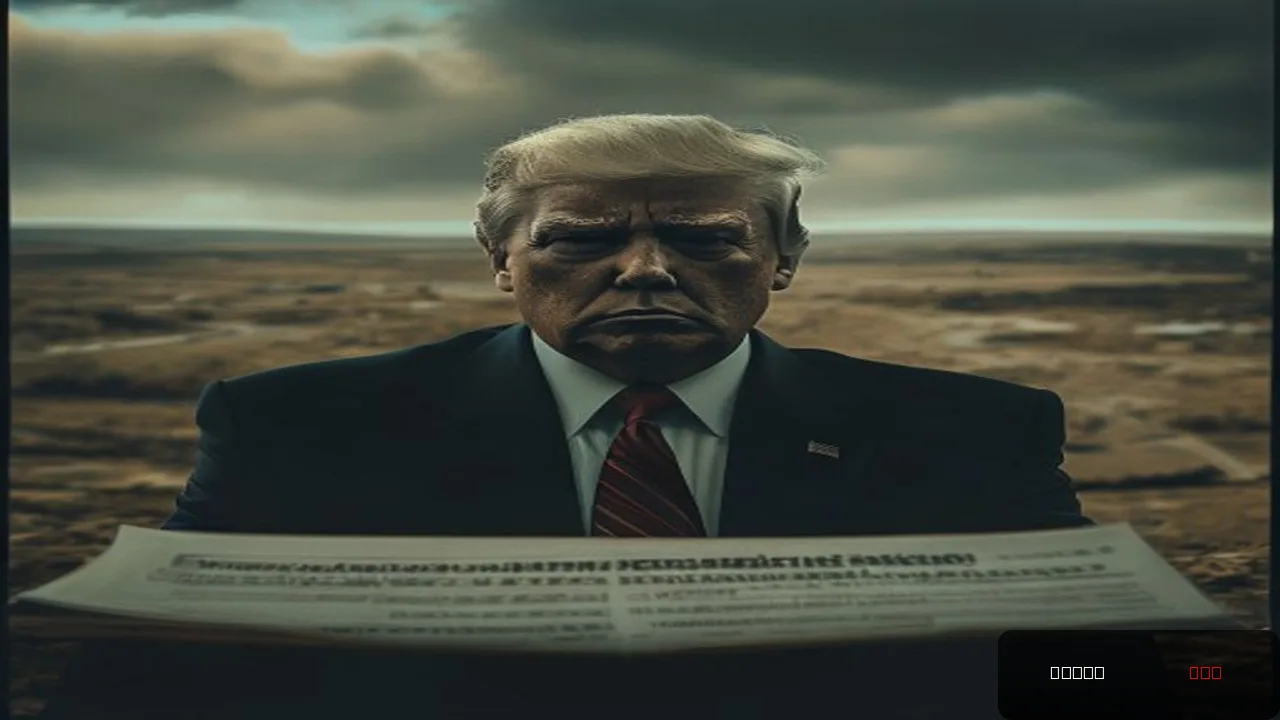
Trump Labels Iran War Articles 'Treason' in Leak Hunt: A Warning for Press Freedom
Former President Donald Trump, in a striking move, handed a stack of media articles — some specifically marked "Treason" — to Acting Attorney General Todd Blanche. His goal? To identify government sources behind leaks related to the Iran war. This aggressive tactic has ignited a fierce debate about press freedom, national security, and what powers a president, or ex-president, can wield against the press.
The 'Treason' Label: What Trump Did and Why It Matters
Trump's demand came with a stack of printouts, reportedly including a Wall Street Journal article titled “Pentagon Flags Risks of a Major Operation Against Iran,” published February 23, 2026. He wanted the Department of Justice to subpoena journalists' records to uncover who leaked sensitive information about a potential Iran military operation. Such a direct accusation, especially with the "Treason" label, isn't just strong rhetoric; it's a chilling message for anyone covering national security. Frankly, it implies a criminal act for reporting information.
This wasn't Trump's first clash with the media, of course. His entire presidency was marked by a turbulent relationship with news outlets he often accused of bias and "fake news." This latest incident, however, escalates that contentious history, raising concerns about potential precedents for future administrations.
The Official Response: DOJ Stance on Leak Investigations
The formal request for subpoenas, dated March 4, 2026, drew sharp criticism. Many saw it as a direct threat to constitutionally protected journalism. However, the Department of Justice quickly clarified its position: its aim was to identify government leakers, not to target journalists themselves.
A DOJ spokesperson stated, "In all circumstances, the Department of Justice follows the facts and applies the law to identify those committing crimes against the United States." This statement aims to reassure, but it also leaves open questions about the methods the department might use and how close that line is to impinging on press activities. It's a tightrope walk for them.
When National Security Meets Free Press: A Constant Tension
Here's the rub: Where do you draw the line between protecting national secrets and allowing a free press to inform the public? Media organizations, like the Wall Street Journal, immediately voiced strong objections. Ashok Sinha, Chief Communications Officer at Dow Jones, reportedly articulated, "The government’s subpoenas... represent an attack on constitutionally protected newsgathering." That's a clear signal.
This tension isn't new; it's as old as journalism itself. Reporters are often on the frontline of uncovering sensitive information that might not align with governmental narratives. With the Strait of Hormuz context and ongoing military operations involving the U.S., the stakes felt incredibly high in this particular situation.
How This U.S. Incident Resonates with Indian Media
For Indian media professionals, often navigating complex political landscapes, this U.S. situation serves as a relevant — and frankly, alarming — case study. The challenges of covering sensitive national security topics without facing governmental backlash are universal. It's a reminder that press freedom, even in established democracies, isn't a given; it's constantly contested.
For Indian audiences interested in understanding global press freedom issues, the availability of international news and political dramas on OTT platforms like Netflix, Amazon Prime, and Hotstar offers crucial context. These platforms often carry documentaries or thrillers that reflect real-world events like this one. Movie OTT, for example, tracks the current Indian streaming availability of such relevant content, bridging the gap between global incidents and local consumption, helping you keep up with what's happening and how it's portrayed.
What's Next? Keeping an Eye on the Dialogue
As this story continues, the broader implications for press freedom and government accountability remain a pressing concern. The methods used to identify leaks, and the potential for overreach into journalistic activities, will undoubtedly fuel ongoing debate. We'll be watching closely.
For those wanting to follow these developments and see how such global issues are reflected in media content, platforms like Movie OTT can offer current insights, providing a window into the ongoing battle for press freedom and transparency.