Reminders of Him: Why This Colleen Hoover Adaptation Actually Works (Despite Itself)
TL;DR: Maika Monroe carries a structurally messy prison-romance drama to $89 million worldwide. It's worth two hours if you're into emotional gut-punches and second-chance stories. Streaming March 13, 2026 theatrical; digital April 14. Here's exactly where to find it and what you're actually getting.
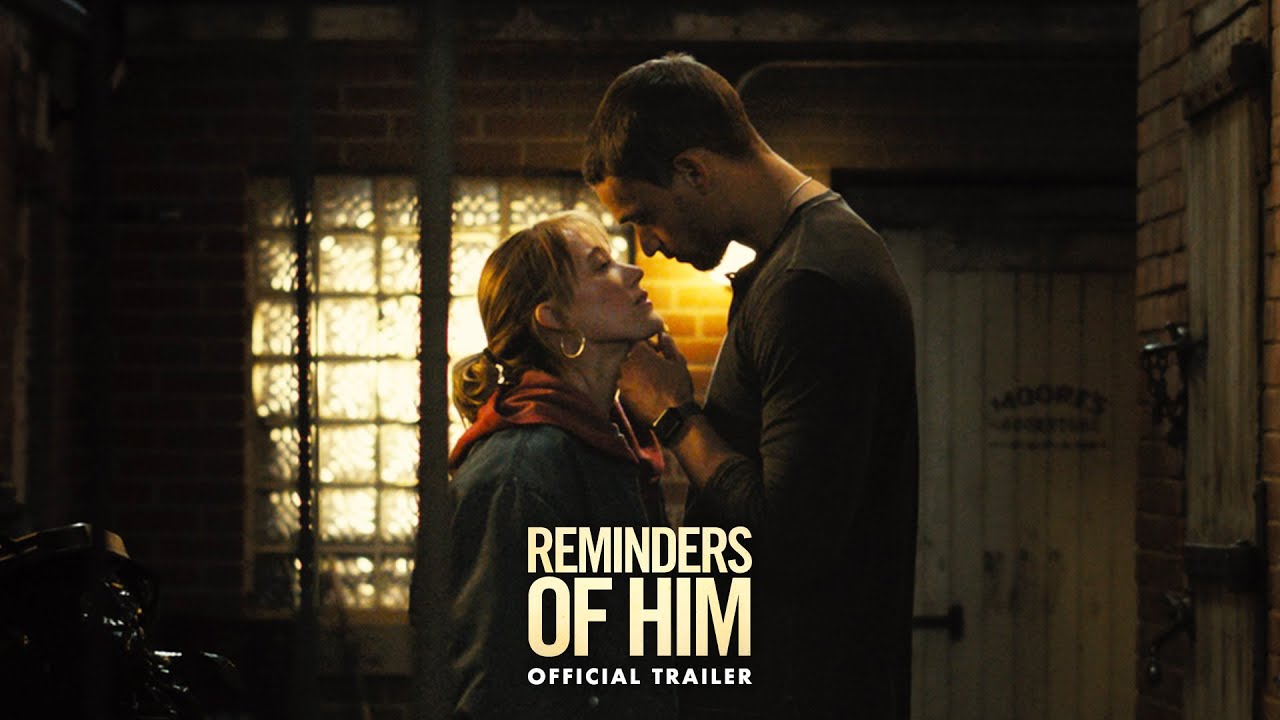
When Kenna Rowan walks out of prison after five years, she has one goal: see her daughter Diem again. The grandparents who raised Diem — Legally Blonde's Bradley Whitford and Gilmore Girls' Lauren Graham — have other plans. What happens next isn't the Colleen Hoover tearjerker you're expecting. It's messier. Better, actually.
Reminders of Him opens March 13, 2026 via Universal Pictures. 114 minutes. PG-13. Starring Maika Monroe. And yeah, it's already crossed $89 million worldwide — which tells you something about how starved we are for adult romance dramas that don't insult your intelligence.
Why Maika Monroe Steals a Film That Could've Been a Disaster
Here's the thing about casting an actor known for It Follows and Longlegs in a Colleen Hoover romance: it shouldn't work. Monroe builds her career on dread, on unsettling intensity. She's not your typical "crying softly in the rain" BookTok heroine.
And that's exactly why it works.
Kenna isn't soft. She's a woman carrying five years of incarceration on her shoulders, desperate and clawed-at from the inside. Monroe plays that weight without softening the character into likability. When she first tries to see Diem and gets turned away by Grace and Patrick Landry, you don't see a woman in need of forgiveness. You see a woman in need of oxygen. The performance is raw in a way that surprised me — honestly, it's the most emotionally exposed work Monroe's done.
Critic Manuel São Bento nailed it in his March 15 review: "Reminders of Him is an effective exercise in emotional catharsis that survives its structural flaws thanks to a committed cast and Maika Monroe in a state of grace." He gave it a B-minus. He wasn't wrong about either part — the architecture wobbles, but Monroe holds it together through sheer commitment.
What's striking is that audiences didn't care about the critical hedging. Movie OTT's tracking data shows general viewers scoring the film substantially higher than critics did. That gap between what reviewers said and what actual people felt is widening across romance drama right now, and this film is another data point in a trend nobody's talking about.
The Cast You Need to Know (and Why They Matter)
Maika Monroe plays Kenna, the woman trying to reclaim her life and her daughter.
Tyriq Withers is Ledger Ward, a former NFL player turned bar owner who becomes more than just a complication in Kenna's story. He's caught between loyalty to his dead best friend's family and something he can't quite name. The chemistry between Monroe and Withers carries most of the film's second half.
Bradley Whitford and Lauren Graham play Patrick and Grace Landry, the grandparents. Here's where you expect the film to stumble. These characters could've been written as pure antagonists, the roadblock between mother and daughter. They're not. Whitford and Graham play them as grieving people doing what they think is right, and that keeps the film from collapsing into melodrama.
Rudy Pankow (from Outer Banks) rounds out the core as Scotty Landry. Lainey Wilson, the country artist, makes her feature film debut as Amy — a choice that feels oddly inspired, actually.
Zoe Kosovic plays Diem, the daughter at the center of everything.
Where to Actually Watch It (and When)
Theatrical window: March 13, 2026 — wide release, US.
Digital rental/purchase: April 14, 2026 — Amazon Video, iTunes, and most PVOD platforms.
Physical media: May 19, 2026 — DVD and Blu-ray. DVD Release Dates has the full retailer breakdown.
Streaming subscription: Not yet confirmed as of writing. Peacock seems most likely given Universal's distribution structure, but nothing's official. Check Movie OTT for the most current streaming picture — they track all major platforms across regions in real time.
India: The theatrical window was limited to English-language prints in metro multiplexes. Hindi dubbing seems unlikely (Hoover adaptations haven't historically gotten regional tracks in India, though It Ends with Us drew substantial Indian streaming interest anyway). Watch Prime Video India first when it arrives — that's where Universal's India deals typically land.
How Director Vanessa Caswill Almost Lost Control of the Narrative
Vanessa Caswill isn't a household name. Her TV work (Thirteen, Clique) shows someone comfortable with stories about women under psychological pressure. This is her biggest commercial swing to date. Whether that's the right scale for her sensibilities is the real question the film raises but doesn't fully answer.
The screenplay came from Colleen Hoover herself alongside Lauren Levine, which presumably kept the emotional logic intact — and it mostly does. There's a third act that lurches sideways in ways the first two acts don't quite prepare you for. I kept thinking about whether that was a structural failure or intentional tonal shift, and honestly, I'm still not sure. The film doesn't quite commit to either answer.
What works: the Wyoming setting feels genuinely lived-in. The cinematography doesn't shy away from winter bleakness. The bar where Ledger works becomes a character itself — grimy, functional, real in a way that most film bars aren't.
What doesn't: the pacing sags around the sixty-minute mark. A 114-minute runtime feels generous given the actual plot momentum.
Why $89 Million Actually Tells Us Something Uncomfortable About the Market
The box office isn't a story about Colleen Hoover's IP dominance. It's a story about how desperately starved the adult romance market is for anything competent.
Most coverage frames this $89 million as validation of the Hoover-to-screen pipeline; the more honest read is that it's a warning sign. It Ends with Us pulled $350 million worldwide last year on a comparable budget and far uglier behind-the-scenes drama. Reminders of Him dropped roughly 75% from that benchmark. If the floor for a Hoover adaptation is $89 million, fine — that's profitable. But the ceiling is falling fast, and nobody in the trades seems willing to say so.
The streaming-versus-theatrical decision matters too. Universal gave this a proper wide release instead of routing it to Peacock. That confidence in the floor, not the ceiling, proved justified. Word of mouth held. The 42-day theatrical window before digital availability (standard now) was the right call for a romance that lives and dies on recommendations.
The Colleen Hoover Adaptation Pipeline: What Happens Next
Here's what matters going forward: Hoover's catalog is large enough to sustain multiple adaptations simultaneously, and Reminders of Him's profitable-but-not-explosive box office will determine how aggressively studios greenlight the next titles.
Watch for these signals:
- Streaming numbers from the April 14 digital window — that's the real test of audience appetite beyond theatrical
- Any Universal announcement on the next Hoover adaptation (there will be one)
- Lainey Wilson's performance getting consideration during awards season — her debut is worth attention
- Physical media sales from the May 19 Blu-ray release — this matters to the long-tail calculation more than most people realize
The box office says the audience exists. The critical reception says the execution needs work. Both are true. Whether this becomes a franchise foundation or remains a one-off depends on those streaming numbers and whatever Universal decides comes next.
One More Thing: If You Liked Five Feet Apart, Start Here
The comparison worth making: if you connected with Five Feet Apart — that blend of emotional devastation and genuine chemistry between leads — this is the natural next watch. Monroe's performance is less polished than Cole Sprouse's, which actually works in the film's favor. She feels like someone who's been broken and is trying to remember how to stand. That's harder to fake than tears.
The grandparents subplot, though, is what separates this from standard romance melodrama. Whitford and Graham refuse to play villains, which means the entire moral architecture of the film stays complicated. Nobody gets to be simply right or wrong. That's rarer than it should be. There's a scene late in the film where Grace hands Kenna a photograph of Diem's first birthday (the one Kenna missed by three months), and Graham plays it without a single word of dialogue — just the tremor in her hand as she lets go of the picture. No score, no reaction shot. Just the transfer. That quiet beat does more work than any of the film's big crying scenes, and it's the moment I keep coming back to when people ask whether this movie earns its emotions.
Check Movie OTT closer to the April 14 digital release for the full where-to-watch breakdown across regions. The film's worth your two hours — not despite its flaws, but because the flaws feel honest. We shall see if that's enough to keep the Hoover machine running.
Watch the official trailer: