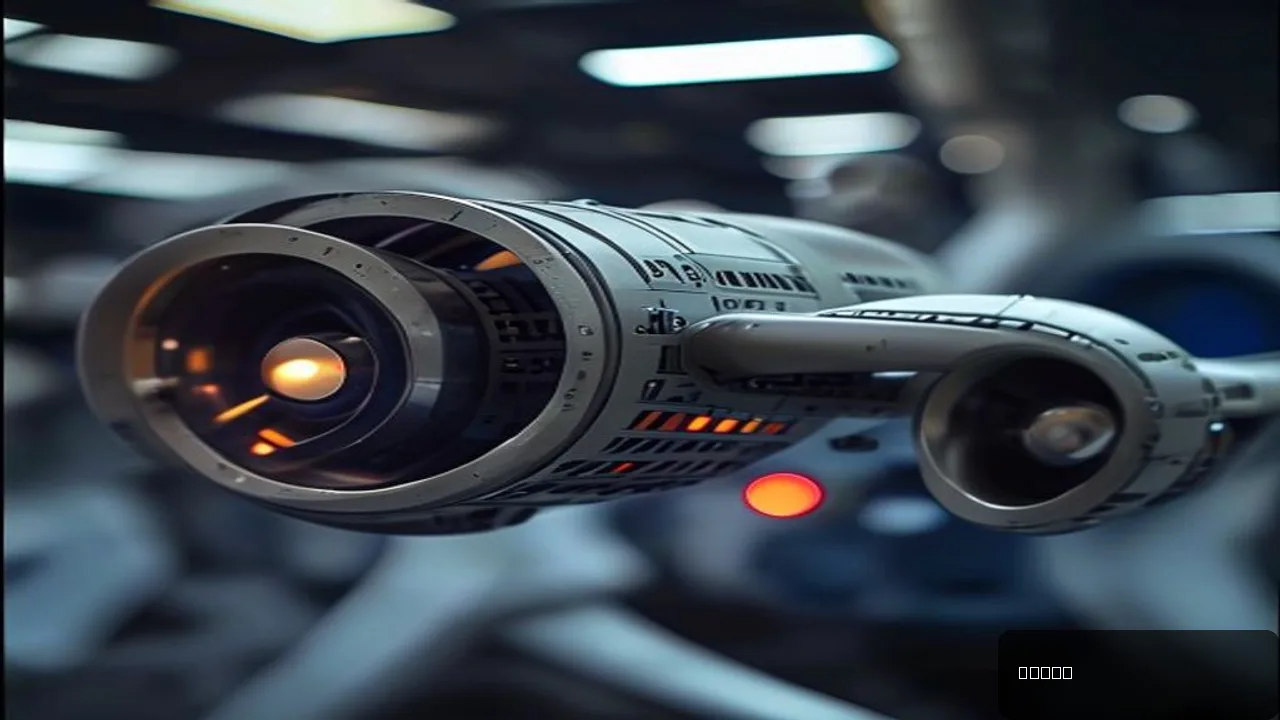
Understanding Star Trek's Nacelles: The Heart of Starship Propulsion
Warp nacelles are essential components of Starfleet vessels, enabling faster-than-light travel. This article explores their function, design, and importance in the Star Trek universe.
What's happening
The Star Trek franchise has captivated audiences for decades, not just with its engaging characters and intricate plots but also with its unique technological concepts. Among these, the warp nacelles stand out as crucial components of Starfleet starships. These elongated structures, often seen prominently on iconic ships like the USS Enterprise, are not merely aesthetic features; they play a pivotal role in the science fiction narrative of space travel. As we delve deeper into the mechanics and significance of these nacelles, we uncover how they shape our understanding of interstellar travel within the Star Trek universe.
Why this matters
Star Trek's influence extends beyond entertainment; it has significantly impacted the science fiction genre and public interest in space exploration. With the recent resurgence of sci-fi in mainstream media, including films and series that explore similar themes, understanding the mechanics of Star Trek's technology becomes vital. The franchise has consistently pushed the boundaries of imagination, inspiring generations of scientists and engineers.
The success of Star Trek films and series has been reflected in box office numbers and streaming metrics, drawing millions of viewers. For instance, Star Trek: Discovery and Star Trek: Picard have enjoyed substantial viewership on Paramount+, showcasing the franchise's enduring appeal. The portrayal of warp travel and its unique components, like nacelles, feeds into the audience's fascination with space exploration and the theoretical possibilities of faster-than-light travel.
Background and history
The concept of warp nacelles dates back to the original Star Trek series, created by Gene Roddenberry in the 1960s. Roddenberry established several design principles that have shaped the visual identity of Starfleet vessels. One of his fundamental rules was that starships should always have two warp nacelles, suspended above the hull, allowing for a unique silhouette that has become synonymous with Star Trek.
The USS Enterprise, one of the most recognizable starships in popular culture, featured nacelles with red tips in the original series, which later evolved into the glowing blue designs seen in subsequent iterations. Each design element serves a purpose, both aesthetically and functionally, contributing to the ship's ability to navigate the cosmos. Over the years, various Star Trek series, from The Next Generation to Discovery, have explored different ship designs and the role of warp nacelles, reflecting advancements in storytelling and special effects.
Where to watch
Star Trek content is widely available across several streaming platforms, making it accessible for both new viewers and long-time fans. Key series and films can be found on:
- Paramount+: The primary hub for Star Trek content, featuring new series like Star Trek: Strange New Worlds and classic episodes.
- Netflix: Select Star Trek series, including Star Trek: The Next Generation and Deep Space Nine, are available for streaming in various regions.
- Amazon Prime Video: Some Star Trek films are available for rent or purchase.
- YouTube: Official Star Trek clips and trailers can be found for free viewing.
While availability may vary by region, these platforms ensure that fans can experience the franchise's rich universe filled with adventure and technological marvels.
What viewers should know
Q: What are warp nacelles?
A: Warp nacelles are the elongated structures on Starfleet vessels that house the warp engines, enabling faster-than-light travel by manipulating space around the ship.
Q: Why are there usually two nacelles on Starfleet ships?
A: Gene Roddenberry mandated a two-nacelle design for aesthetic and functional reasons. This design is meant to ensure the ship's stability and safe warp travel.
Q: What role do Bussard ramscoops play?
A: Bussard ramscoops, located at the front of the nacelles, collect space particles and gases, converting them into usable fuel for the starship.
Q: Can nacelles be damaged during space travel?
A: Yes, nacelles are vulnerable targets. Damage to them can disable a starship's warp capabilities, making them critical components in battles.
Q: How has the design of nacelles evolved over the years?
A: The design of nacelles has evolved with advancements in special effects and storytelling, showcasing various interpretations across different Star Trek series and films.
Conclusion
Star Trek's warp nacelles are more than just a design choice; they represent the heart of interstellar travel in the franchise. As audiences continue to enjoy new content from the Star Trek universe, understanding these intricate components enhances our appreciation for the series. For fans looking to explore the vast expanse of Star Trek, platforms like Paramount+ and Netflix are excellent starting points. Dive into the series and films available on Movie OTT for a comprehensive look at the legacy and future of this iconic franchise. Whether you're a newcomer or a seasoned Trekkie, the journey through space and time awaits.