Why 1,200 Applicants Chase 10 Tent Spots on The Great American Baking Show
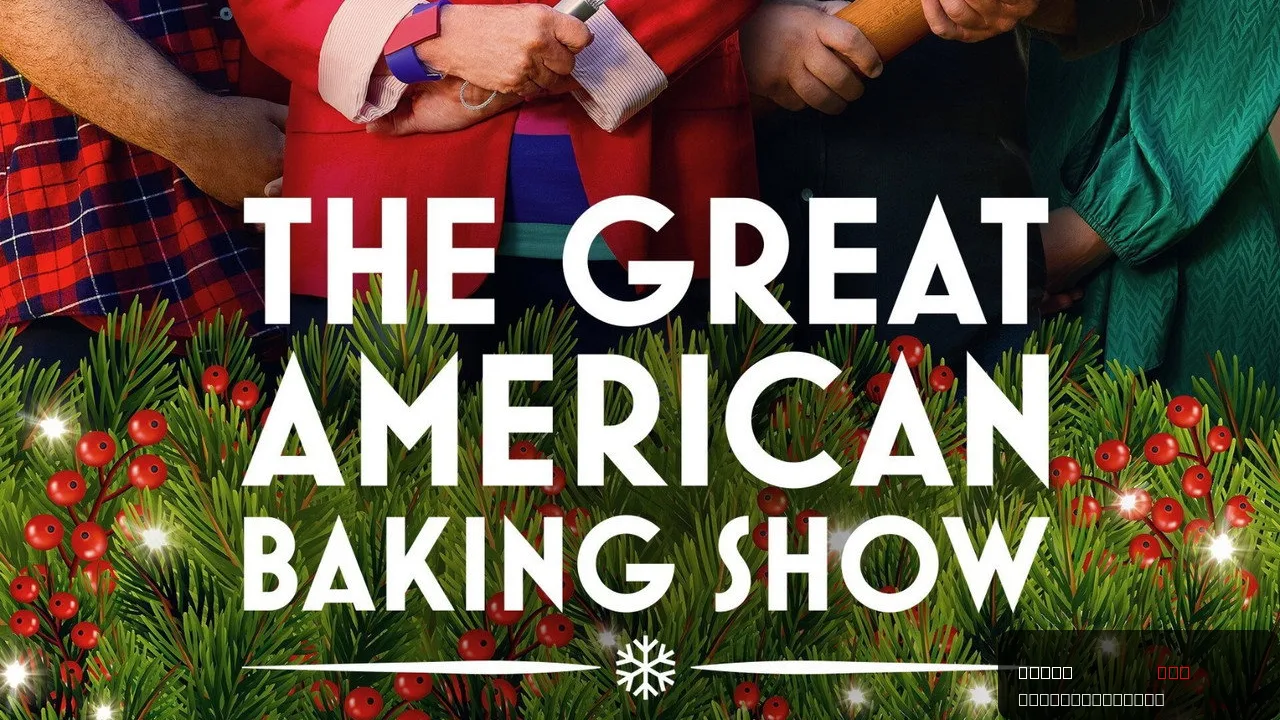
The Great American Baking Show Season 4 is now streaming on The Roku Channel, with Paul Hollywood and Prue Leith returning as judges and Andrew Rannells joining Casey Wilson as co-host. The show films at Pinewood Studios in the UK and delivers the same low-stakes warmth that made the British original a global comfort-viewing staple. If you're deciding whether to watch, the short answer is yes.
The Numbers That Explain the Show's Pull
Over 1,200 people applied for 10 spots in the tent. Let that ratio settle for a moment: 120 applicants per available workstation. For context, Harvard's acceptance rate sits around 3.6%. The Great American Baking Show is, statistically, harder to get into than most Ivy League schools.
That number, reported during The Hollywood Reporter's on-set visit to Pinewood Studios in summer 2025, isn't just a fun fact. It's the clearest data point explaining why this franchise — originally a modest BBC Two project that somehow became one of the most-streamed comfort properties in the world — keeps growing its footprint. Roku acquired the U.S. version as a platform-defining move, and Season 4 represents the most polished iteration yet: same iconic judges, new hosting chemistry, same tent. Different energy entirely.
What You Need to Know Before Pressing Play
Platform: The Roku Channel (U.S. primary market) Season 4 premiere date: May 11, 2025 Filmed at: Pinewood Studios, just outside London, UK Judges: Paul Hollywood and Prue Leith (returning from the British original) Hosts: Casey Wilson (returning since Season 1) and Andrew Rannells (new this season, replacing Zach Cherry of Severance)
A few things Movie OTT readers should flag immediately:
- This is a competition format, not a limited series. Episodes drop weekly.
- The Celebrity Summer special (which featured Rannells as a contestant) serves as useful background viewing before Season 4.
- Rannells and Wilson previously played a married couple on Showtime's Black Monday, which explains why their on-screen rapport feels unusually lived-in for a debut season together.
- Prue Leith has announced she will be stepping down from judging duties, making this season something of a farewell chapter for the Leith era.
What Paul Hollywood Actually Said About American Bakers
The show's appeal has always rested partly on the cross-cultural tension between British baking precision and American baking excess. Paul Hollywood, speaking to The Hollywood Reporter on set, put it plainly: "They use a lot of whisked sponge, they use a lot of banana, they use a lot of pecans. They use things that we use in the U.K., but not to the extremity as the Americans do. That's the big difference. Their taste palette is a bit different to us."
Prue Leith added her own sharp observation: "I think that Americans, by and large, like things to be sweeter than the Brits, and bigger. Big and sweet." She noted that when contestants were asked to make a cake, "they ordered enormous cakes — you know, four-tier jobs."
That cultural gap is genuinely part of the show's texture. It's not played for mockery. Hollywood's framing — "not better, they're different" — is the right one, and the show earns its warmth by actually believing it. (Worth noting: Leith also observed that American bakers "do a lot more clapping than the British." Which tracks.)
Why Indian Audiences Haven't Fully Found This Show Yet — But Should
Here's the honest picture for Indian viewers: The Great American Baking Show is not currently available on Netflix India, Prime Video India, JioCinema, Hotstar, or SonyLIV. The Roku Channel operates primarily as a U.S. platform, and international licensing for the American spin-off hasn't followed the same distribution path as the British original, which has historically streamed on Netflix in India under the title The Great British Baking Show.
For Indian audiences who want to access Season 4, a VPN-enabled Roku account remains the workaround — though that's not an officially supported route. Movie OTT's where-to-watch tracker keeps current data on regional availability as licensing deals shift, and it's worth checking back as Roku expands its international footprint.
The market case for a broader Indian release is actually strong. Baking competition formats have found real audiences in India: The Big Baking Bonanza on Amazon miniTV pulled enough viewership to greenlight a second season, and Food Food channel's baking programming consistently ranks in the top five on that network. For Indian audiences, the more relevant comp isn't the original British franchise — it's MasterChef India Season 8 on SonyLIV, which proved that English-language-adjacent cooking competition formats can hold urban Indian viewers aged 25-45 at scale, even at premium subscription price points. If Roku strikes a licensing deal with a local platform (Prime Video India and Netflix India are the most logical candidates given their existing reality-format libraries), Season 4 could land well in that demographic.
No Hindi or regional language dubbing has been announced, which is standard for this format. English-language streaming with subtitles would be the expected delivery.
The Franchise History That Makes Season 4 Make Sense
The Great British Bake Off launched on BBC Two in 2010. By Season 3, it had become a national event in the UK, drawing over 12 million viewers per episode at its peak — a figure cited by Book and Film Globe's review of the American adaptation. Channel 4 acquired it in 2017, and the Netflix international deal followed, turning what was a British institution into a genuinely global property.
The American version launched with its own identity:
- Paul Hollywood — master baker, known for the "Hollywood Handshake," which contestants treat like a minor religious experience.
- Prue Leith — food writer, restaurateur, CBE. Direct, warm, occasionally devastating. Her departure after this season closes a specific chapter.
- Casey Wilson — comedian, actress, SNL alumna, host since Season 1. The institutional memory of the American tent.
- Andrew Rannells — Broadway (Tony-nominated for The Book of Mormon), HBO's Girls, and now co-host after appearing in the Celebrity Summer special. His hiring makes sense: he already knew the rhythms of the show from the inside.
Zach Cherry, who hosted alongside Wilson previously, exited after Season 3. Cherry's Severance schedule was the likely factor, though no official reason has been confirmed.
The Tone Question — and Why It's the Actual Product
Andrew Rannells, speaking to The Hollywood Reporter, identified something that most competition-format analysis misses entirely: "In America, we're used to competition shows feeling like it's just a kick to the gut. It's overwhelming, even if you watch American Idol. So it's really nice to watch a show where people are competitive, but nobody's screaming."
Casey Wilson's framing was even simpler: "It's pretty gentle. Especially during the pandemic. I think a lot of Americans really found it, and even if you don't bake, just put it on. It's like a warm hug."
Honestly, that's the whole product thesis. The thing nobody mentions when analyzing why this franchise works commercially is that it's essentially selling the absence of something — the absence of manufactured conflict, of villain edits, of elimination drama that leaves you feeling worse than before you started watching. Most coverage frames the Baking Show as a feel-good anomaly; the sharper read is that Roku is using it as a retention play, not a growth play — the kind of low-churn, repeat-view programming that keeps subscribers from canceling between tentpole releases, which for an ad-supported free platform like Roku means longer session times and higher CPMs. That's a fundamentally different bet than what Netflix or Peacock makes with their competition slates. Low cortisol. The data, at least anecdotally, suggests that bet is paying off.
As this discussion piece from Don't Call It Bollywood noted when examining the original British format's addictive quality, the show's structure rewards patience and craft rather than drama — which is genuinely unusual in the competition space and probably explains its unusual longevity.
What Comes Next for the Franchise After Leith's Exit
Prue Leith's announced departure is the single biggest variable heading into any future seasons. She and Hollywood have been the continuity thread connecting the British original to the American spin-off — the familiar faces that made the transatlantic transplant feel legitimate rather than opportunistic. Whoever replaces her will inherit a high bar.
For Season 4 specifically: all episodes are streaming now on The Roku Channel as of May 11, 2025. Movie OTT will track any shifts in international distribution rights, particularly if a streaming partner picks up the season for markets outside the U.S. The Rannells-Wilson hosting partnership, if Season 4 performs to expectations, should carry forward — both judges confirmed the dynamic works, and that kind of on-screen chemistry isn't easy to manufacture.
Hard to say if this franchise has another five seasons in it at its current quality level. But Season 4, on the available evidence, is exactly what it needs to be.
Should You Watch It? The Bottom Line
If you're a Roku subscriber in the U.S., Season 4 is available right now at no additional cost. If you're outside the U.S. — particularly in India, the UK, or Spain — availability is limited, and Movie OTT is your best resource for tracking when and where it lands on a local platform. The show compares most directly to the British original on Netflix: same judges, warmer hosts, slightly louder tent. That's not a criticism. It works.
Watch it.