

The Story of The World: Love and Displacement in a Fake Paradise
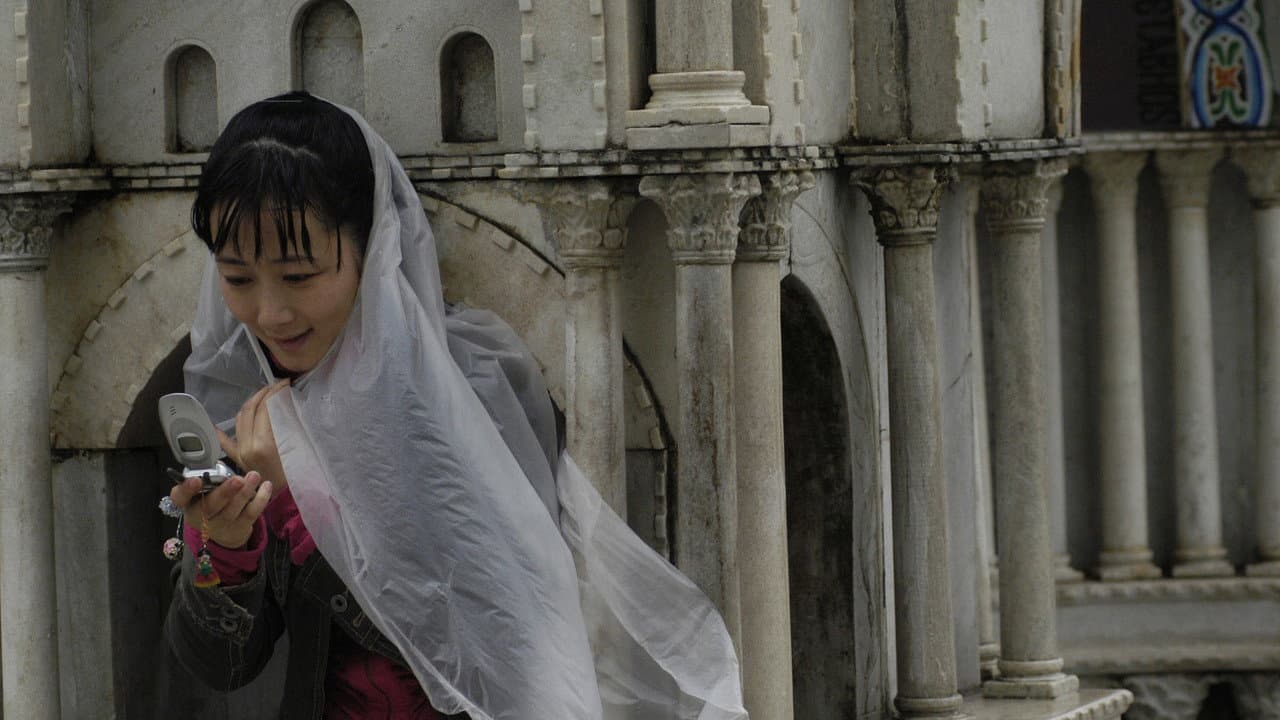
The World isn't your typical love story, and it certainly isn't a conventional amusement park film. Jia Zhangke's 2004 drama unfolds entirely within Beijing World Park—a bizarre hybrid of Las Vegas glitz and Epcot Center ambition where visitors wander past miniature versions of the Eiffel Tower, the Taj Mahal, and the Statue of Liberty without ever leaving the city's suburbs. It's a place where the world has been shrunk down, packaged, and made accessible to ordinary Beijingers who may never afford to travel abroad. Into this strange landscape steps a security guard working the park's perimeter, a man caught between two women: his dancer girlfriend and another woman who pulls him away from her. What could've been a simple melodrama becomes something far more unsettling—a meditation on displacement, desire, and the gap between the life you're living and the life you're pretending to live. The film doesn't announce its themes loudly. Instead, it lets them seep in through the cracks, through conversations overheard while workers eat lunch, through the monotony of surveillance shifts, through the ache of watching someone you love slip away while you're surrounded by fake versions of everywhere else.
Behind the Making of The World: Jia Zhangke's Breakthrough with Chinese Authorities
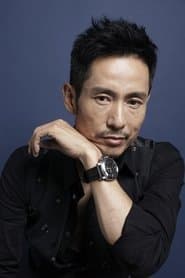
The World marked a watershed moment in director Jia Zhangke's career—it was his first feature shot outside his native Shanxi Province, and more significantly, it was the first of his films to receive official production approval from the Chinese government. That's no small detail. Jia had built his reputation on unflinching, often unsanctioned portraits of rural and urban China, so this collaboration with state-backed producers (Shanghai Film Group, TV Asahi, Bandai Visual, and others) represented a kind of negotiated truce between an artist and the system he'd been documenting. The production brought together an impressive international consortium: Office Kitano, Lumen Films, Xstream Pictures, and Celluloid Dreams all contributed to the film's realization, signaling Jia's growing stature in world cinema. The cast, anchored by Zhao Tao and Cheng Taishen, brought a naturalistic restraint to their performances—no grand gestures, just the quiet erosion of a relationship watched from behind glass (literally, through the park's security cameras). At 140 minutes, the film takes its time. It doesn't rush toward plot points; instead, it accumulates the texture of daily life, the small betrayals, the way people fill silences. The film earned a 7.0 rating on IMDb, a respectable score that reflects its appeal to viewers willing to sit with ambiguity and mood over narrative momentum.
What Makes The World Stand Out: Jia's Unflinching Eye and the Performances That Ground It
What's striking about The World is how Jia uses the theme park itself as a character—those fake monuments aren't just set dressing, they're a commentary on aspiration, tourism, and the hunger to experience something beyond your immediate reality. The security guard moves through this landscape of replicas, watching over a space that's fundamentally artificial, while his own life becomes increasingly fragmented. Zhao Tao's performance as the dancer carries a kind of resignation that never tips into self-pity; she's not waiting to be rescued, she's simply present, watching her boyfriend choose someone else, and there's something almost unbearable about that quiet acceptance. The thing nobody mentions is how funny the film can be—not laugh-out-loud funny, but darkly comic in the way that real life often is when you're paying close attention. A couple argues while the plastic Eiffel Tower looms in the background. Workers discuss their wages and their loneliness. Someone's phone rings. These moments accumulate into something that feels lived-in and true, even as it's set in this fundamentally false place. I keep coming back to a scene where the security guard and the woman he's pursuing sit together, barely speaking, the camera holding on their faces long enough that you feel the weight of what's unsaid. That's Jia's gift—he trusts the image and the actor to do the work, and he's patient enough to let silence mean something.
Where to Stream The World Online
The World is currently available on major OTT services, and Movie OTT tracks real-time streaming availability across platforms so you can find it wherever it's currently playing in your region. Rather than hunting across multiple services, you can check the Where to Watch widget at the top of this page to see which platform has it right now—availability shifts regularly, and Movie OTT keeps that information current. Whether you're a longtime fan of Jia Zhangke's work or discovering him for the first time, knowing where to access the film without the search hassle is half the battle. The film's 140-minute runtime means you'll want to set aside a solid evening, so settling on the right platform in advance makes sense.
Frequently asked questions
Q: Who directed The World and what's his background?
Jia Zhangke directed The World in 2004. It was his first film shot outside his native Shanxi Province and notably his first work to receive official production approval from the Chinese government, marking a significant moment in his career as a filmmaker known for unflinching social observation.
Q: Where is The World actually filmed?
The entire film takes place in and around Beijing World Park, a real theme park in Beijing's suburbs that features miniature replicas of famous international monuments. The park itself becomes as much a character in the story as the people who work and visit there.
Q: Is The World based on a true story?
While The World isn't adapted from a specific true story, it's rooted in Jia Zhangke's observational approach to filmmaking. The narrative of a security guard and his fractured relationships is fictional, but it reflects real tensions and displacements happening in contemporary China.
Q: How long is The World and what's the rating?
The film runs 140 minutes and carries a 7.0 rating on IMDb. It's a drama that takes its time with character and atmosphere rather than rushing through plot, so the length feels intentional rather than indulgent.
Q: What language is The World in?
The World is a Chinese-language film with subtitles in English and other languages depending on which platform you're watching it through.
Final Thoughts on The World: A Film That Rewards Patient Viewers
The World isn't a film that tries to please everyone, and that's exactly why it matters. It's patient, observant, and willing to sit with uncomfortable silences and unresolved tensions. If you're drawn to cinema that trusts you to read between the lines—that believes images and performances can carry meaning without explanation—then Jia Zhangke's Beijing theme park drama deserves your time. It's a film about people trying to navigate a world that's been packaged and sold to them, trying to find authenticity in a landscape of replicas. Honest work. The film rewards that patience with something rare: a portrait of modern life that feels both specific to its time and place, and somehow timeless.