









What A Touch of Sin Reveals About Violence in Modern China
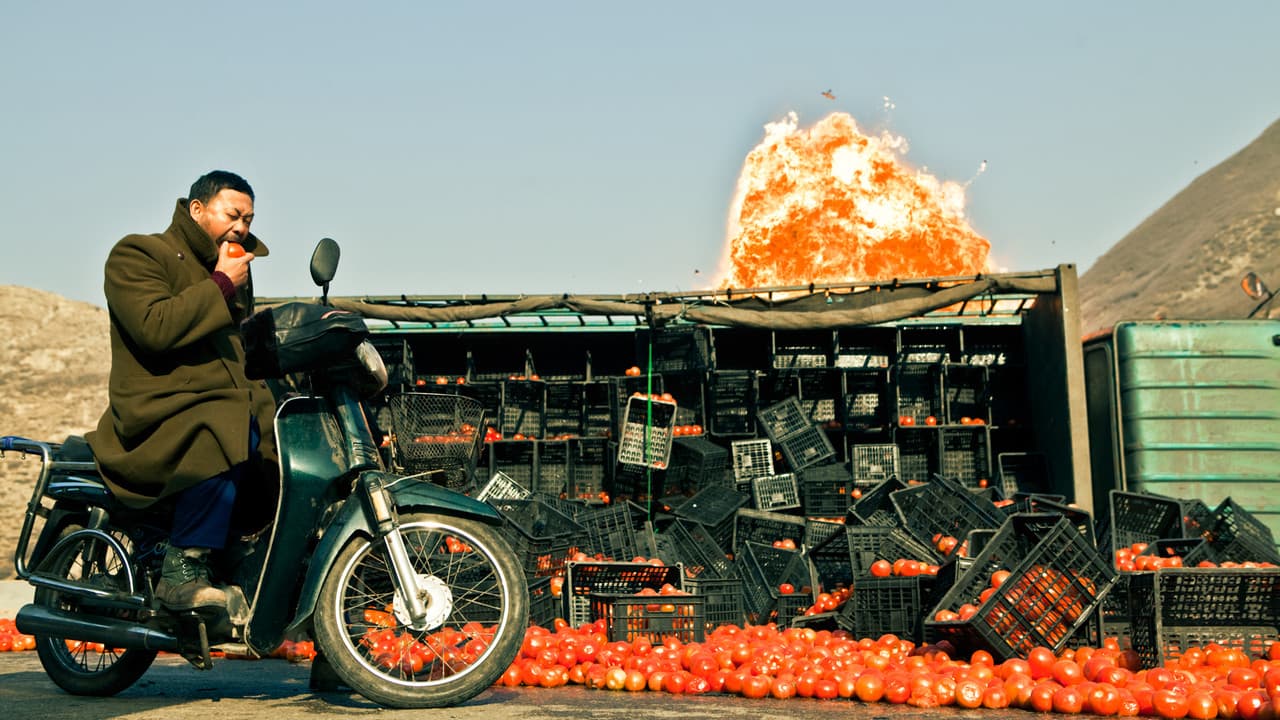
A Touch of Sin isn't a traditional narrative—it's four separate windows into the lives of ordinary people pushed to extraordinary, violent ends across contemporary China. There's a miner enraged by systemic corruption in his village, a migrant who discovers the possibilities of owning a firearm, a receptionist ground down by an abusive client, and a young factory worker drifting from one job to the next. Director Jia Zhangke doesn't connect these four stories with plot mechanics. Instead, they're bound by something more unsettling: a shared sense of humiliation, displacement, and the slow burn of alienation that leads each protagonist toward a breaking point. What makes the film so unsettling is how it refuses to judge them. These aren't heroes or villains. They're people.
Jia Zhangke, working with longtime collaborator and wife Zhao Tao, structures the film as a series of tableaus—each one set in vastly different geographical and social milieus, yet all rooted in recent events that actually happened in China. The director draws inspiration not just from news headlines but from wuxia stories and Chinese opera, lending the violence an almost operatic inevitability. It's a bold choice, mixing realism with stylization, and it works because you can feel the weight of bureaucratic indifference pressing down on every frame. The film's 131-minute runtime doesn't feel bloated; it's the time Jia needs to establish the texture of each world before it fractures.
Behind the Making of A Touch of Sin and Its Cannes Recognition
A Touch of Sin premiered at the 2013 Cannes Film Festival in competition for the Palme d'Or—the highest honor. While it didn't take the top prize, Jia Zhangke walked away with the Award for Best Screenplay, a recognition that underscores the film's ambition and craft. The production itself was a multinational effort, with Office Kitano, Xstream Pictures, Shanghai Film Group, Shanxi Film & Television Group, Bandai Visual, and Bitters End all contributing to bring Jia's vision to life.
The ensemble cast—featuring Jiang Wu, Wang Baoqiang, Luo Lanshan, and Zhao Tao—grounds the film in a kind of lived authenticity that's difficult to fake. These aren't A-list names in the Western sense, but they're seasoned performers who understand how to inhabit quiet desperation. Zhao Tao, in particular, brings a simmering intensity to her role; she and Jia have collaborated on multiple films, and that shorthand is visible in every scene. The film's box office was modest at $154,120—hardly a blockbuster return—but that's never been the measure of a Jia Zhangke film. What matters is that it reached the people who needed to see it.
The critical response has been overwhelmingly strong. A Touch of Sin holds a 95% Fresh rating on Rotten Tomatoes, a 77 Metascore, and an IMDb rating of 7.1 from nearly 14,000 votes. The film racked up 18 wins and 12 nominations across major festivals and critics' organizations—the kind of recognition that signals a work of real substance. It's not rated, which means it reached audiences without the gatekeeping of an MPAA classification, a freedom that allowed Jia to show the violence without sanitizing it.
Why A Touch of Sin Stands Out as a Portrait of Alienation and Bureaucratic Decay
What's striking about A Touch of Sin is how it refuses the comfort of explanation. You won't find a villain twirling a mustache or a hero riding in to save the day. Instead, Jia shows you systems—corrupt officials, indifferent employers, clients who treat service workers as subhuman—and then shows you what happens when a person finally says "no more." The violence, when it comes, doesn't feel cathartic. It feels inevitable, almost tragic.
The film's thematic architecture is built around embezzlement, displacement, and the humiliation of modern life in China's rapid transformation. One character watches a corrupt official get away with theft while he struggles to survive. Another discovers that owning a gun—a symbol of power, of agency—changes how people treat you. A third is sexually harassed by a wealthy client and finds herself with nowhere to turn. These aren't abstract grievances. They're the daily micro-aggressions of a society in flux, where the old rules have broken down and new ones haven't solidified yet.
I keep coming back to how Jia shoots these scenes—not with melodrama, but with a kind of documentary precision that makes them more disturbing, not less. A scene in a spa, a moment at a karaoke bar, a confrontation in a luxury hotel—these could be from any film about modern China, except Jia captures the texture of decadence and alienation in a way that feels lived-in rather than observed from outside. What nobody mentions is how funny some of it is, in a dark way. There's absurdity in the bureaucracy, in the casual cruelty, in the gap between what people have and what they're told they should want.
Where to Stream A Touch of Sin Online
A Touch of Sin is available on major OTT services, and Movie OTT tracks current streaming availability across platforms to help you find where it's playing right now. The film's distribution has expanded significantly since its 2013 release, making it far more accessible than it was in theaters. Whether you're looking to rent, buy, or stream through a subscription service, the Where to Watch widget at the top of this page will show you every option available in your region. Since streaming rights shift frequently, checking Movie OTT ensures you're getting the most up-to-date information on where to catch this Cannes-winning film.
Frequently asked questions
Q: Is A Touch of Sin based on a true story?
Yes, the film is based on recent real events in China, though Jia Zhangke also draws inspiration from wuxia stories and Chinese opera. Each of the four stories is rooted in actual incidents of violence and social breakdown that occurred in contemporary China.
Q: Who directed A Touch of Sin?
Jia Zhangke wrote and directed the film. He won the Award for Best Screenplay at the 2013 Cannes Film Festival for this work, and he collaborated closely with longtime partner Zhao Tao, who also stars in the film.
Q: How long is A Touch of Sin?
The film runs 131 minutes, giving Jia Zhangke enough time to establish the distinct worlds of each of the four interconnected stories before their violent climaxes.
Q: What's the critical consensus on A Touch of Sin?
The film is highly regarded, with a 95% Fresh rating on Rotten Tomatoes, a 77 Metascore, and a 7.1 rating on IMDb from over 13,000 votes. It won 18 awards across various festivals and critics' organizations.
Q: What genres does A Touch of Sin belong to?
The film is classified as both a crime drama and an anthology thriller, weaving together four separate narratives of violence and alienation across modern China.
Final Thoughts on A Touch of Sin
A Touch of Sin demands something from viewers—attention, patience, and a willingness to sit with discomfort. It's not a film that offers easy answers or cathartic resolution. But if you're looking for cinema that actually says something about how we live now, about the cost of survival in an unequal system, about what happens when people break—this is essential viewing. Jia Zhangke has made a film that feels urgent and timeless at once, a work that'll stick with you long after the credits roll.