David Gordon Green's Halloween Trilogy: What Actually Went Wrong
TL;DR: The 2018 Halloween reboot earned $255 million worldwide and seemed like a genuine comeback. By Halloween Ends (2022), it had collapsed to $65 million. Here's what killed the momentum—and where to watch all three films.
The Halloween reboot trilogy is dead. And it didn't have to be.
When David Gordon Green's Halloween hit theaters on October 19, 2018, it looked like the franchise had finally found solid ground. Produced on roughly $10 million, it grossed $255.5 million worldwide, an extraordinary return that validated everything Blumhouse had bet on. Jamie Lee Curtis came back as Laurie Strode, the mythology got reset to ignore four decades of sequels, and the film actually worked as both thriller and character study. Then the second film came out, and something fundamentally broke. By the time Halloween Ends arrived in October 2022, the trilogy had hemorrhaged both its audience and whatever creative coherence the first entry had managed. The franchise lost nearly 75 percent of its opening-weekend box office between film one and film three. That's not a gradual decline. That's a collapse.
What happened in those four years between 2018 and 2022 is a story about a filmmaker trying to make something personal inside a machine designed to make sequels, about studio pressure meeting artistic ambition, and about what happens when a horror director decides the genre isn't actually about horror anymore.
The Box Office Tells You Everything Before You Watch a Single Scene
Here's where the money went:
- Halloween (2018): $255.5 million worldwide
- Halloween Kills (October 15, 2021): $131.7 million worldwide (a 49% drop)
- Halloween Ends (October 14, 2022): $65.2 million worldwide (a 50% drop from Kills)
Those aren't soft declines. Those are the numbers of an audience that showed up for the first film, felt betrayed by the second, and didn't come back for the third. Halloween Kills hit Peacock on its theatrical release date simultaneously, which muddies the streaming-versus-theatrical read, but even accounting for that, the trajectory is unmistakable: people wanted what Green delivered in 2018. They didn't want what came after.
Runtime didn't change much — 106 minutes for the first, 105 for the second, 111 for the third — so that's not the issue. The problem was creative. Structural. The kind that money can't fix in post-production.
Why Green's Instincts as a Director Fought the Material Every Step of the Way
David Gordon Green isn't a horror guy. Before Halloween, his films were quiet studies of American communities under pressure — George Washington (2000), Undertow (2004). He's drawn to grief that lives in the body rather than gets announced in dialogue. He wants to slow down the machinery and find something real underneath.
That sensibility worked in 2018. Laurie Strode's trauma wasn't window dressing; it was the film's actual skeleton. The pacing let scenes breathe. Michael Myers felt genuinely dangerous because the film wasn't rushing to the next kill. Green had made something that honored both the source material and his own artistic instincts.
But here's the problem: Green's instinct to push inward, to let silence do the work, runs directly against what slasher sequels commercially demand. More kills. More Michael. More escalation. Louder. Faster. The studio wanted a trilogy that moved merchandise and opened big. Green wanted to make a trilogy about how trauma passes through generations. Those two projects were never going to align, and the cracks show everywhere by Halloween Kills, a film that exists almost entirely to delay the conclusion, a bridge chapter that mistakes volume for momentum.
The Original 1978 Film Set an Impossible Standard
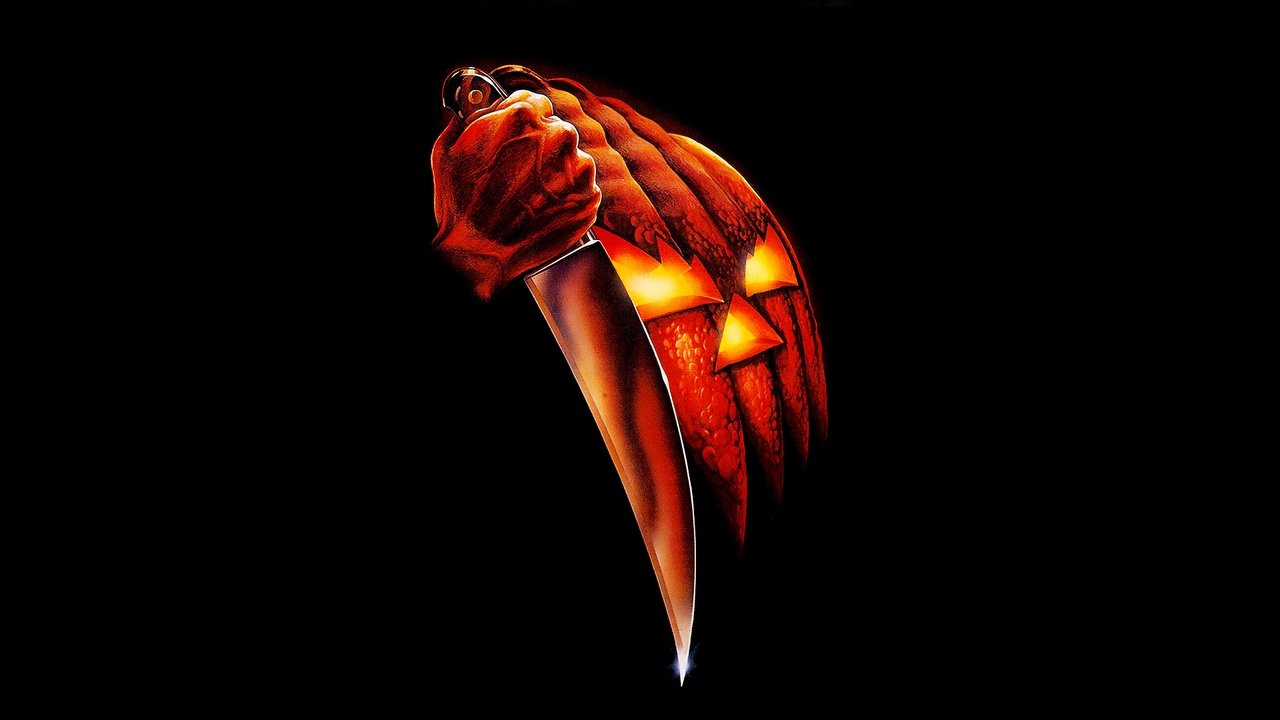
John Carpenter's Halloween was made on $325,000 and became one of the most profitable independent films ever produced. It's not just genre-great. It's actually great. The film runs 91 minutes. The score is inseparable from why it works. Forty years of sequels followed, some terrible, some interesting, most forgettable. Rob Zombie's 2007 and 2009 entries polarized people. There were timeline resets, retcons, direct sequels that nobody asked for.
Green's trilogy positioned itself as a direct sequel to Carpenter's 1978 original, erasing everything after. Smart move on paper. It gave Curtis a proper narrative arc, anchored the mythology, and let the 2018 film function as genuine drama rather than franchise maintenance.
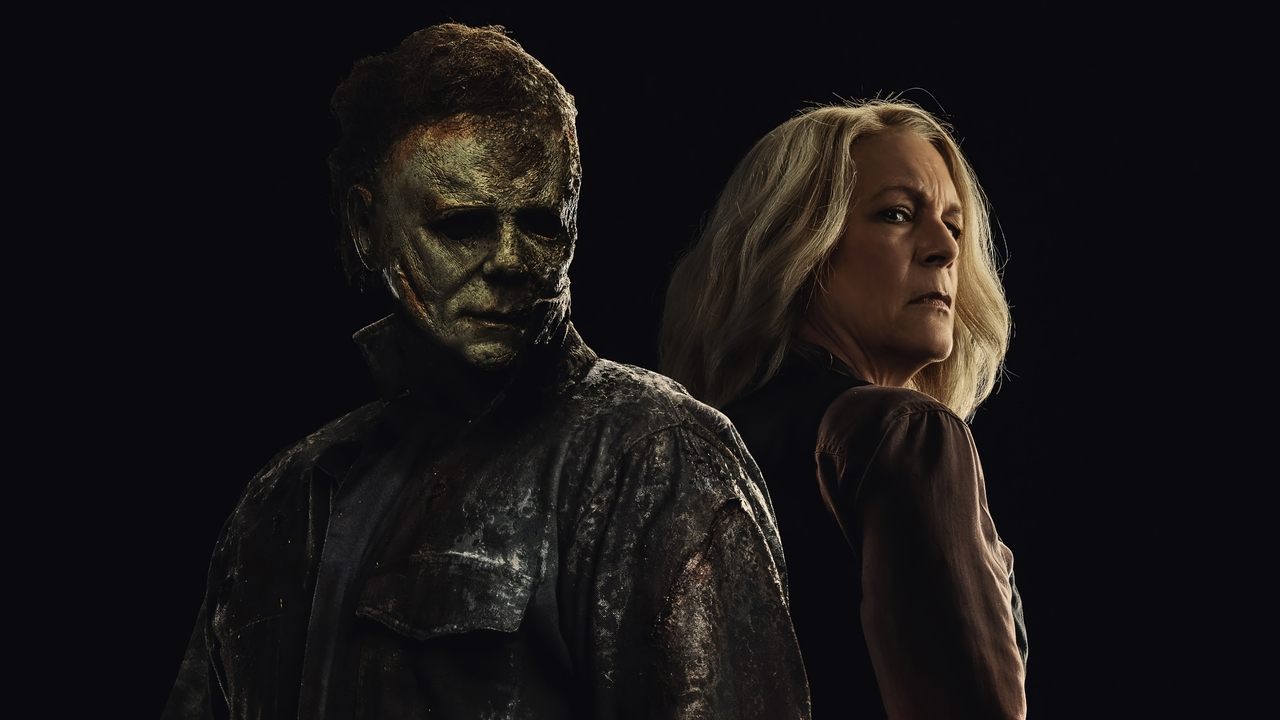
What's worth noting: Jamie Lee Curtis has now played Laurie Strode in seven Halloween films across three decades. She won an Academy Award for Best Supporting Actress for Everything Everywhere All at Once in 2022, while the Green trilogy was still in release. That's context. She was pulling creative energy in multiple directions. Judy Greer plays Laurie's daughter Karen. Andi Matichak plays granddaughter Allyson. The generational structure looked solid in concept. Execution was another story.
What the Filmmakers Actually Said (and What They Danced Around)
In interviews with Variety ahead of Halloween Ends, Jamie Lee Curtis framed the final film as "a meditation on evil" and positioned it as something other than a conventional slasher conclusion. "This isn't a traditional horror movie," Curtis said. "David wanted to say something about how evil spreads through a community."
David Gordon Green, speaking to Bloody Disgusting, acknowledged the deliberate left turn: "I wanted to do something unexpected. I wanted to challenge the audience." He introduced Corey Cunningham, a new character, as the film's emotional center rather than Curtis's Laurie, a creative risk that, frankly, didn't land.
What nobody in the promotional cycle quite admitted plainly is that Halloween Kills broke the trilogy. It's a film that exists to pad runtime, to repeat the phrase "Evil dies tonight" so many times it becomes unintentional parody, to stage mob violence that has nothing to do with the actual threat. Green hasn't been eager to discuss the structural problems of the middle film in retrospect. The public acknowledgment has been minimal.
Where to Stream All Three Films Right Now
Streaming availability varies wildly by region, and platform rights shift more often than most people realize.
United States:
- All three on Peacock (simultaneous release deal for Kills and Ends)
- Digital rental/purchase: Amazon Prime Video, Apple TV, Vudu
United Kingdom:
- Sky Cinema and Now TV have all three
- Digital rental via Amazon Prime Video and Apple TV
India:
- All three available on Amazon Prime Video India
- Hindi dubbed version available for the 2018 film
- English-only for Kills and Ends
- Movie OTT's streaming tracker has real-time availability across all regions, since platform catalogs rotate constantly
Spain:
- Amazon Prime Video and digital rental through Apple TV and Google Play
For Indian viewers specifically, the 2018 Halloween is the strongest entry point, a contained thriller with Jamie Lee Curtis as the anchor, no 40-year franchise homework required. The sequels are harder sells domestically because they assume deeper investment in the mythology, and the lack of Hindi dubbing for Kills and Ends narrows the accessible audience considerably.
The Specific Moment the Trilogy Lost Its Footing
Halloween Kills opens with a flashback to 1978, a sequence that should have been thrilling. Instead, it plays like fan service. The film spends most of its 105 minutes on a mob subplot, Haddonfield residents convinced they can kill Michael Myers themselves, that derails any momentum Green had built. The hospital sequences feel obligatory. The kills feel obligatory. The dialogue feels obligatory.
I keep coming back to how Kills mistakes repetition for emphasis. "Evil dies tonight" gets chanted so many times that it stops being a threat and becomes a meme. Even in the moment, watching it in a theater, you could feel the audience checking out. The film is trying to be about something (community trauma, collective violence) but it's so busy staging set pieces that it never actually thinks about anything.
Most coverage frames the Green trilogy's decline as a creative disagreement between art and commerce. The more honest read: Green lost the thread after 2018 because he had one great idea, Laurie Strode as a survivalist recluse defined by 40 years of PTSD, and no second idea strong enough to carry two more films. By the time Halloween Ends arrived, the audience had already left. The film's decision to pivot toward Corey Cunningham, a new antagonist, a new mythology, felt like a betrayal rather than an expansion. Viewers wanted Michael Myers. They got a meditation on small-town evil that, whatever its artistic merit, wasn't what they'd paid for.
What Comes Next (Spoiler: Something Will)
Universal and Blumhouse haven't officially announced a fourth film, but franchise IP with a $255 million opening doesn't retire quietly. Miramax holds partial rights to the original Carpenter film, which adds legal complexity to any reboot or continuation. The most credible industry read is that a new creative team gets brought in within the next few years, the continuity gets reset again (the franchise's most reliable move), and Michael Myers returns with fresh direction.
The thing about the Green trilogy's failure is that it might actually be the best outcome for the franchise long-term. It proved the audience appetite is real. The 2018 film's $255.5 million gross is hard evidence of that. What it also proved is that you can't coast on legacy nostalgia alone; you need either genuine scares or genuine character work, ideally both. Green had the latter in 2018 and lost it by 2021. Worth noting: Halloween Ends opened the same weekend as Paramount's Smile, which had already been in theaters for two weeks and still outgrossed Ends domestically by the end of its run on a comparable $17 million budget. A first-time director's original horror concept beating the conclusion of a legacy franchise. That tells you exactly how far the brand had fallen.
Whoever directs next needs to understand that lesson. More money, more kills, and more repetition aren't substitutes for a reason to care.
Keep an Eye on What's Next
No new Halloween project has entered formal production as of this writing. Jason Blum, Blumhouse's founder, has spoken about the franchise's future without committing to specifics. The Green trilogy continues to generate revenue through home video and streaming; Peacock's catalog performance isn't publicly disclosed, but the films are there, available, making money in the background even without a theatrical release on the calendar.
For current streaming availability, Movie OTT tracks platform rotations across regions in real time. If a new director or cast announcement drops, it'll move fast. The franchise will return. The question is whether the next version will actually understand what made the first one work.