YouTube's 2026 Brandcast Bets the House on Creator TV
TL;DR: YouTube used its May 2026 upfront to pitch Madison Avenue on a slate of creator-led shows — from Alex Cooper's four Unwell Productions projects to Trevor Noah's travel series — without spending a dollar producing any of them. The platform is now selling ad inventory inside individual shows, exactly like a TV network. For viewers worldwide, this signals YouTube's biggest creators are about to operate less like vloggers and more like television showrunners.
YouTube just declared itself a television network. Without owning a single show.
At its fifth annual Brandcast presentation on May 13, 2026 — held at New York's David Geffen Hall at Lincoln Center — the Google-owned platform made a simple pitch to advertisers: YouTube is TV now. The numbers backing that argument are hard to dismiss. According to Nielsen, YouTube reached over 244 million Americans aged 18+ in November 2025, which works out to 91% of the total U.S. adult population. For three consecutive years, it's ranked as the No. 1 streaming service by watch time. Those aren't streaming metrics anymore. Those are broadcast numbers.
The Slate YouTube Actually Announced
Here's what landed on Madison Avenue's desks:
- Alex Cooper (of Call Her Daddy): Four projects under Unwell Productions — Unwell Games (late summer 2026), Pot Stirrer Thanksgiving special, Holiday Hard Launch (winter 2026), and Before the Steps, a Met Gala docuseries (spring 2027)
- Kareem Rahma: Keep the Meter Running — premiered the same day as Brandcast, a taxi-based series produced by Rahmavision and AND Media
- Trevor Noah: Trevor Noah's World Tour, a travel-comedy hybrid with no premiere date locked yet
- Dwyane Wade: Fly on the Wall Season 2 (fall 2026)
- Dude Perfect: Squad Games Season 2 (2027)
- Jesser (Jesse Riedel): Summer of Soccer (June 2026) and Pros vs. YouTubers (2027)
- Erling Haaland: Road to World Cup (June 2026) and Erling's Gauntlet (fall 2026)
- Quen Blackwell: Feeding Starving Celebrities 2.0 (fall 2026)
The structural shift here matters more than the names. YouTube will now let marketers buy ad spots inside individual creator series — the same way networks sell inventory in Thursday Night Football or The Tonight Show. That's not a content announcement. That's an infrastructure one.
Why the Money Model Is Actually Genius
Here's what the traditional streaming world can't do: YouTube just packaged the equivalent of a full TV upfront slate without writing a single development check.
Netflix spent approximately $17 billion on content in 2024, per company filings. Amazon, Apple, and Disney+ are in the same ballpark. YouTube's production spend on this creator slate? Zero. The creators finance their own shows. YouTube provides the platform, the audience, and now the ad-sales machinery. It takes a cut without carrying any production risk. That's a financial model cable networks would kill for — and honestly, it's why the pitch to Madison Avenue actually lands. What most coverage misses: this is structurally closer to a real-estate play than a media play, because YouTube is monetizing shelf space it didn't build, inside stores it doesn't own, to customers it didn't acquire. The closest comp in media history isn't Netflix or Hulu; it's MTV in 1981, which launched an entire network on music videos the labels paid to produce.
A traditional network would spend $2–5 million per episode just to develop and produce prestige unscripted content at this level. YouTube is packaging eight exclusive shows with A-list talent and a zero dollar budget. The math is almost unfair.
As Adweek reported, YouTube is positioning this as the only answer to what broadcast TV can no longer deliver: massive audiences of younger viewers who've never owned a cable subscription. Stack the new show-level buying on top of existing programs like Creator Takeovers (100% of inventory on a top channel) and YouTube Select (the top 1% by category), and you've got a genuinely competitive upfront package. It's not supplemental to TV buying anymore. It competes directly.
What YouTube's Leadership Actually Said
YouTube CEO Neal Mohan, chief business officer Mary Ellen Coe, and Google's Sean Downey addressed the crowd with a message that's been consistent all year: YouTube "stands alone as the future of media."
Mohan isn't hedging. The pitch to Madison Avenue isn't "YouTube is a good addition to your TV budget." It's "YouTube is your TV budget." Everything else is secondary.
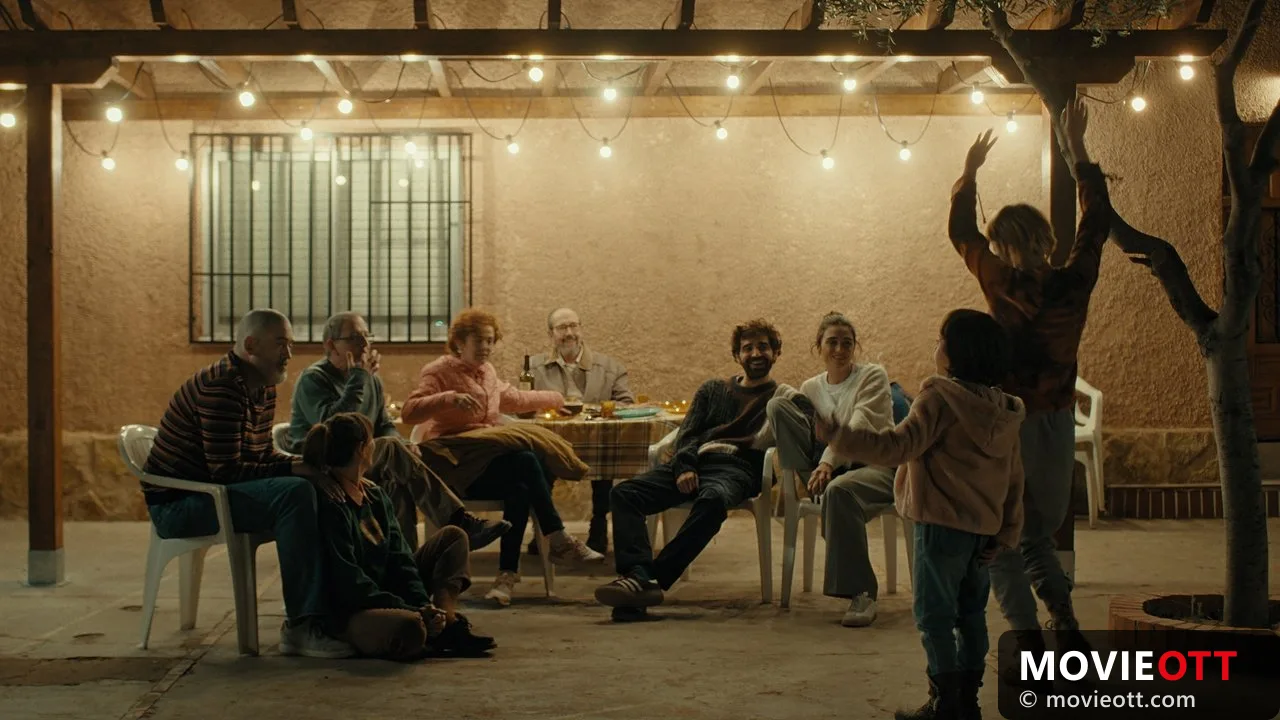
Kareem Rahma — whose Keep the Meter Running launched the same day as Brandcast — gave the creator perspective. In the first episode, Rahma climbs into a yellow cab on the Lower East Side and asks the driver one question: "Take me to your favorite place in the city." What follows is 22 minutes of unscripted conversation that feels closer to Humans of New York than anything a network development team would greenlight. Rahma's own father drove a cab. That kind of specificity works on YouTube precisely because no one had to pitch it through three layers of executives.
The Scale Behind the Pitch
Numbers matter when you're asking Madison Avenue to shift budget. Here's what YouTube brought:
- 244 million U.S. adults 18+ reached in November 2025 — 91% of the entire adult population
- No. 1 streaming service by watch time for 36 consecutive months
- New "Buy With Google Pay" feature lets viewers click straight from connected-TV ads to purchase — something linear TV can't do
- AI-powered ad creation using Google's Gemini, Veo, and Nano Banana models, letting brands generate YouTube-optimized ads from text prompts
YouTube's official Brandcast blog detailed the masthead upgrades and custom AI sponsorship packages as genuine product improvements. For major advertisers already running Google campaigns, the integration is obvious. For smaller brands? Hard to say if the AI tools move the needle.
How This Plays for Indian Viewers
Here's the practical reality: YouTube is free and borderless. Every title announced at Brandcast is available in India on day one. No geo-blocks. No licensing negotiations. No six-month wait for a streaming window. That's a massive advantage over how Netflix or Prime Video roll out originals in the Indian market.
For Indian audiences, the math is straightforward:
- Where to watch: YouTube (free, ad-supported) across mobile, smart TV, and web — no subscription required
- When: Keep the Meter Running is live now. Summer of Soccer and both Haaland series drop in June 2026, timed to the FIFA World Cup — which pulls massive viewership in India. Before the Steps arrives spring 2027
- Language: YouTube's auto-dubbing now covers Hindi and regional Indian languages for select creator content, though not all shows in this slate will have confirmed dubs at launch
The soccer content is the clearest India play. The 2026 FIFA World Cup is expected to generate record streaming numbers across India, and YouTube's exclusive Haaland documentary plus Jesser's creator-driven soccer series put the platform squarely in that conversation — without paying FIFA rights fees. For Indian audiences, the more relevant comp for Haaland's Road to World Cup isn't a Netflix sports doc; it's JioCinema's free streaming of the 2023 Cricket World Cup, which proved that zero-cost, ad-supported sports content can pull 50+ million concurrent viewers in India when the stakes are high enough. Movie OTT's streaming availability tracker will have current listings for which titles have regional language support as they roll out.
What the AI Tools and the Haaland Deal Actually Signal
Look — the most forward-looking announcement wasn't the celebrity slate. It was the infrastructure.
Show-level ad buying plus AI-generated creative plus two-click connected-TV purchasing adds up to a closed-loop advertising system that traditional networks can't replicate. When a viewer watches Trevor Noah's World Tour on their living room TV and sees an ad for a travel brand, YouTube can serve contextually relevant creative (generated by AI to match the episode's destination) and let the viewer book a flight without leaving the app. That's not a content story. That's a commerce story.
The Haaland deal is particularly interesting here. Norway's qualifying for the World Cup for the first time since 1998 is a genuine narrative hook — not manufactured hype. If that docuseries becomes the summer breakout title, it proves YouTube can compete for prestige content audiences alongside traditional streamers. Same with Cooper's Before the Steps Met Gala series: if it generates fashion-media crossover buzz, it could pull in audiences who've never thought of YouTube as a prestige destination.
The real test? Trevor Noah's World Tour trailer. If YouTube can sell "prestige travel series" to people who still associate the platform with 10-minute reaction videos, the upfront pitch actually works.
What Happens Next
The Brandcast slate runs through spring 2027, giving YouTube a full programming calendar to pitch against traditional TV. The immediate test is summer 2026: Cooper's Unwell Games, Jesser's Summer of Soccer, and both Haaland series all land before September. If those titles generate the advertiser interest YouTube is promising, expect the show-level ad inventory model to expand significantly heading into next year's upfront.
For global audiences tracking where to watch these shows as they launch, Movie OTT will have current availability information across regions as each title drops. The slate is ambitious. The business model is smarter than it looks. And YouTube isn't pretending anymore — it's television.