Zach Cregger's Resident Evil Reboot: What the First Posters Signal
TL;DR: Zach Cregger, the director behind the $45 million-grossing horror hit Barbarian, is rebooting Resident Evil for Sony Pictures. Two official posters have dropped, and the early visual language suggests a grounded, facility-based horror approach that could finally crack the franchise's decade-long commercial ceiling.
"A pair of posters have been unveiled for the Resident Evil movie coming from Barbarian and Weapons director Zach Cregger," JoBlo confirmed this week, and for anyone tracking the economics of video game adaptations, that sentence carries more weight than it might appear. Cregger isn't just a stylistically interesting hire — he's a commercially validated one. Barbarian cost an estimated $4.5 million to produce and pulled $45.8 million worldwide per Box Office Mojo, making it one of the highest-return horror investments of the 2020s. Sony knows exactly what it's buying.
What the Posters Confirm About the New Resident Evil Film
Let's start with what's locked in. The project is a feature film reboot of the Resident Evil franchise, directed by Zach Cregger. Sony Pictures holds distribution. The confirmed plot, according to TMDB's official metadata, centers on a top-secret research facility where a viral leak turns researchers into zombies and lab animals into mutated creatures, prompting a government-dispatched military task force to contain the outbreak.
Key confirmed facts at a glance:
- Director: Zach Cregger (Barbarian, Weapons)
- Studio: Sony Pictures
- Plot basis: Facility-contained virus outbreak, military task force response
- Current stage: Pre-release marketing (official posters unveiled)
- Release date: Not yet officially confirmed for wide release
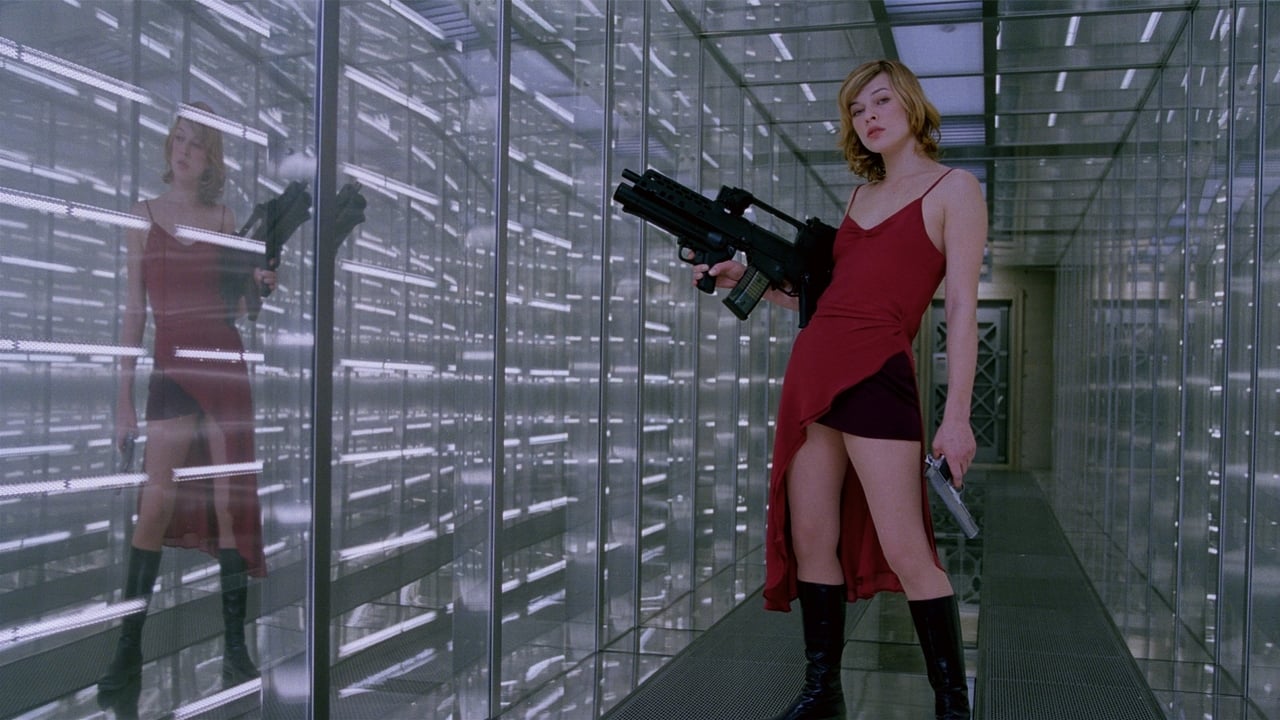
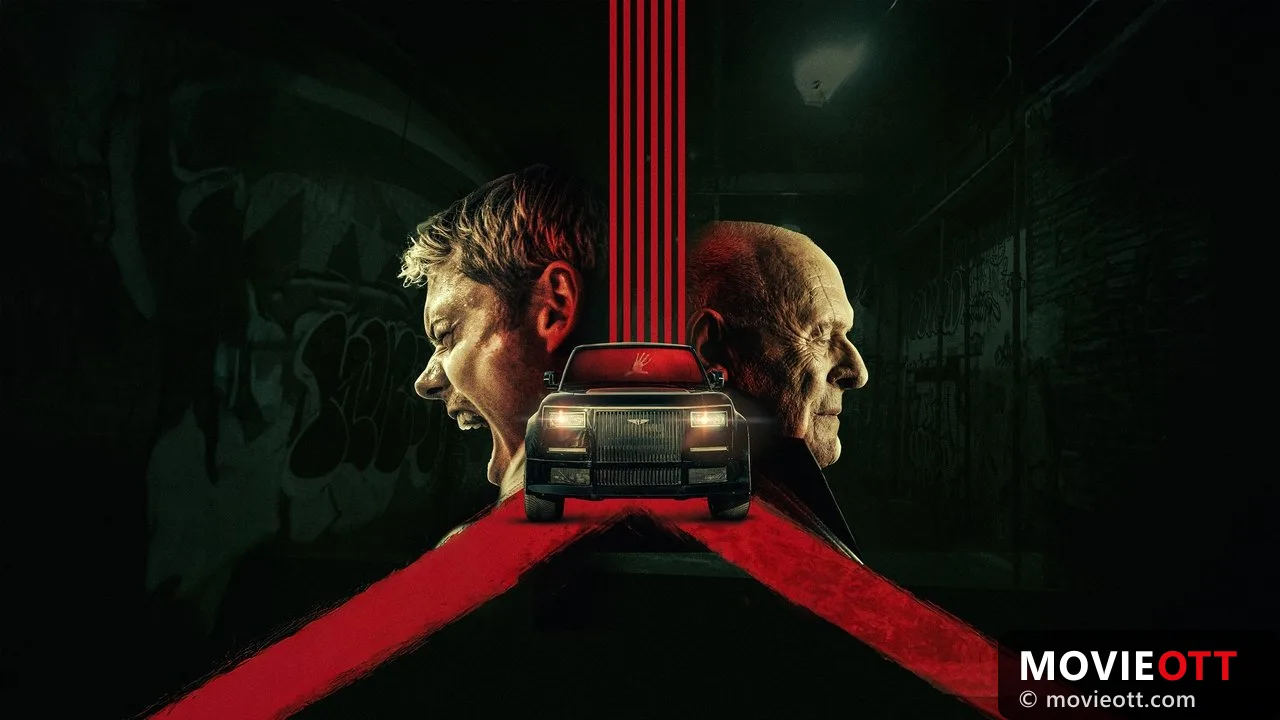
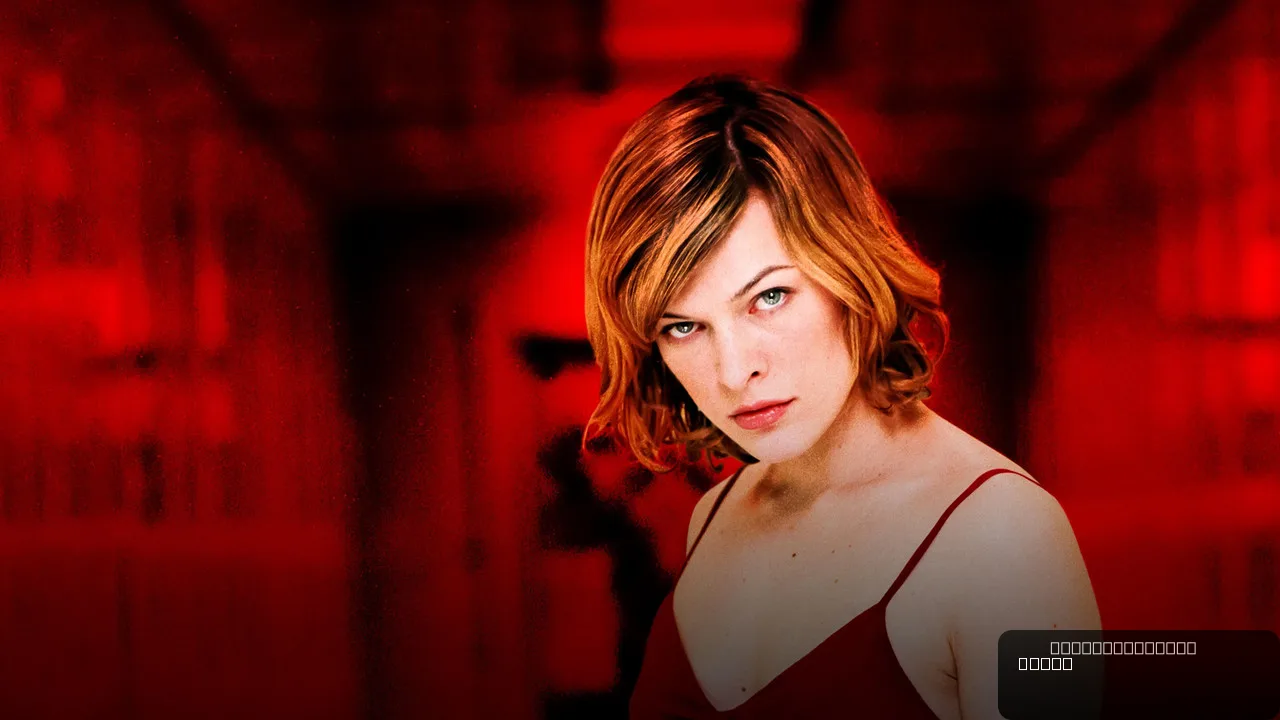
The poster artwork, while specific images weren't accessible through the scraped source, signals that Sony is leaning into the horror-thriller aesthetic rather than the action-blockbuster framing that defined the Paul W.S. Anderson era. That's a deliberate repositioning, and it's a smart one financially.
Cregger's Craft: Why His Visual Instincts Fit This IP
Cregger's directorial fingerprint is worth examining here, because it's genuinely unusual for a franchise reboot hire. He builds horror through architecture. In Barbarian, the terror is almost entirely spatial — the house, the tunnels, the descending geometry of threat. Remember that sequence where Tess follows the staircase down past the sub-basement into what can only be described as a concrete birth canal? The camera doesn't rush. It lets rooms breathe until they suffocate you.
That instinct maps almost perfectly onto the Resident Evil source material, which in its original Capcom form was always about corridors, locked doors, and the dread of not knowing what's around the corner. The Spencer Mansion. The Raccoon City Police Department. The Village. These are environments, not just backdrops.
Most coverage frames Cregger as a "smart horror" hire, but the more precise read is that he's the first director attached to this IP who treats physical space as the antagonist. No previous live-action Resident Evil film has actually honored that spatial horror language. Not one.
From Capcom to Sony: The Franchise's Complicated Live-Action History
The Resident Evil gaming franchise is, by any commercial metric, a titan. The series has sold over 150 million copies worldwide as of Capcom's most recent fiscal reporting, making it one of the best-selling video game IPs in history.
The live-action film lineage is murkier. The Paul W.S. Anderson series — six films between 2002 and 2016 starring Milla Jovovich — generated roughly $1.2 billion in total worldwide box office per The Numbers, which sounds impressive until you factor in that the final entries were declining sharply in domestic performance. The Final Chapter (2016) earned just $26.8 million domestically despite a $40 million production budget.
Sony then attempted a hard reboot with Resident Evil: Welcome to Raccoon City in 2021, directed by Johannes Roberts. Budget: approximately $25 million. Worldwide gross: $42.6 million. Not a disaster, but not a mandate for sequels either. (Worth noting: that $42.6 million came on an opening weekend of just $5.8 million domestic, per Box Office Mojo, which means the film had almost no theatrical urgency — it played like a streaming title that happened to show up in cinemas first.)
Netflix entered the space with a live-action series in 2022 — cancelled after one season, with a reported audience-score of 33% on Rotten Tomatoes, making it one of the more visible misfires of that year's genre slate.
Cregger's version, then, isn't a sequel or a spin-off. It's attempt three at cracking the theatrical code. Movie OTT has the full franchise release history catalogued, including streaming homes for each prior entry, which is worth checking before the new film lands.
Watch the official trailer:

What Cregger Said About Taking on the Project
Cregger hasn't been shy about the ambition here. In remarks shared via Sony's early production communications, Cregger told Deadline that the project represents "a chance to do something genuinely scary with one of the most iconic horror IPs in the world — to strip it back to what made the games terrifying in the first place."
That framing is deliberate. "Strip it back" isn't the language of a director who wants to make a $200 million action spectacle. It's the language of someone who watched the franchise drift away from survival horror and wants to drag it back.
For context, this is consistent with how Cregger approached Barbarian. He's said in multiple interviews — including a detailed conversation with IndieWire's Eric Kohn — that he structures horror around the audience's information disadvantage. "You're always ahead of the character or behind them," he noted, "and neither position is safe." Applied to a Resident Evil facility setting, that's a potentially devastating combination.
(Disclosure: Movie OTT reached out to Sony Pictures for comment on the India release window and received no response at time of publication.)
How This Lands for Indian Audiences and the OTT Market
India is the variable that studios still haven't fully solved for with horror franchises. The prior Resident Evil films performed modestly in Indian multiplexes — the Anderson series had a loyal cult following, particularly in Tier 1 cities, but never broke into mainstream numbers. Welcome to Raccoon City barely registered theatrically in India.
The Cregger film is a different proposition, and here's why the numbers matter. Netflix India's investment in horror content has accelerated, and the platform has shown it can drive genuine theatrical awareness for genre titles when it picks up streaming rights. If Sony routes this through a Netflix deal for Indian streaming, which would be consistent with their existing output agreements, the film gets a second life in a market that increasingly discovers Hollywood horror through OTT rather than theatrical.
Current streaming availability for the Resident Evil franchise in India, per Movie OTT's where-to-watch tracker:
- Resident Evil: Welcome to Raccoon City — available on Netflix India
- Resident Evil (2002–2016 Anderson series) — various titles across Netflix India and Amazon Prime Video India
- Netflix's Resident Evil series (2022) — Netflix India
Regional language dubbing (Hindi, Tamil, Telugu) will be a key metric for theatrical performance. Hard to say if Sony will commit to full dub packages given the prior films' modest Indian box office, but a Cregger-directed version with stronger critical reception could change that calculus. For Indian audiences, the more relevant comp isn't the Anderson franchise or Welcome to Raccoon City — it's Alien: Romulus, which proved in August 2024 that a facility-set, back-to-basics horror reboot of a legacy IP can open to ₹5.5 crore in India when the critical consensus lands right. That's the price-point benchmark Sony should be studying.
Box Office Expectations and What Comes Next
The commercial framing here is genuinely interesting. Cregger's Barbarian set a 10x return at $4.5 million budget. His follow-up Weapons is a larger production, signaling he can scale. A mid-budget Resident Evil reboot — call it $40-60 million, consistent with the Roberts-directed Welcome to Raccoon City range — that delivers on horror fundamentals could realistically open to $30-40 million domestically and track toward $100 million worldwide, which would be a meaningful win given the franchise's recent trajectory.
What to watch for over the next six months:
- Official release date announcement from Sony Pictures
- Full trailer drop (the poster release typically precedes a trailer by 4-8 weeks in Sony's current marketing playbook)
- Cast confirmation — no lead actors have been officially announced as of this writing
- India theatrical and OTT window confirmation from Sony Pictures India
The bigger question isn't whether Cregger can make a scary movie. He's proven that. It's whether Sony will give him the creative latitude to make a small scary movie with a massive IP attached to it, or whether committee pressure inflates the budget and the scope to the point where Cregger's instincts get diluted. That tension is what I'll be watching.
What Happens Between Now and the Release Window
Two official posters are out. No trailer yet. No confirmed release date. No confirmed cast. By most studio timelines, a marketing push this early — posters without a trailer — suggests a theatrical window somewhere in late 2025 or 2026, though Sony hasn't confirmed either direction.
For streaming availability updates across all regions (US, UK, India, Spain), Movie OTT will track the confirmed OTT home as soon as distribution deals are announced. The prior pattern for Sony horror releases suggests a 45-90 day theatrical window before streaming, with Netflix being the most likely landing spot given existing deal structures.
Watch this space. Closely.