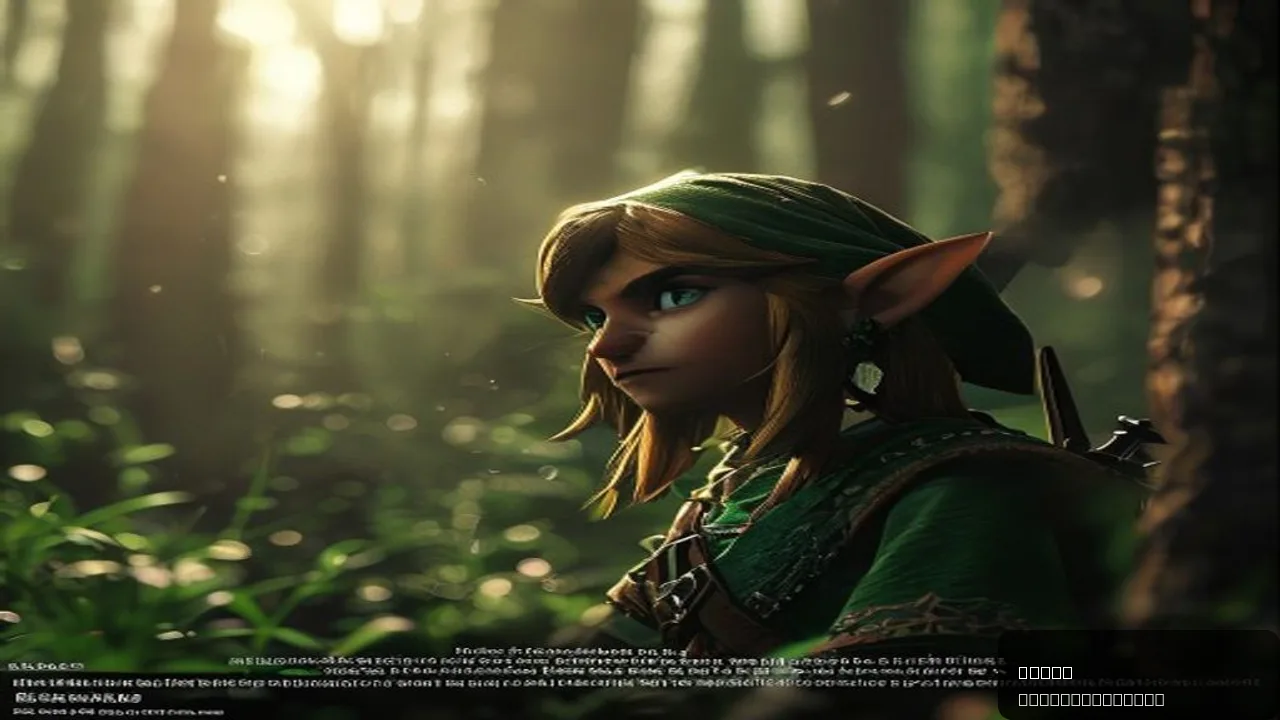
Zelda: Ocarina of Time Remake Whispers Grow Louder Amidst Switch 2 Price Bump
TL;DR: Nintendo president Shuntaro Furukawa has confirmed Switch 2 price increases for mid-to-late 2026, but pledged a stronger games lineup—including remakes—to offset the hike. Speculation is now rampant that The Legend of Zelda: Ocarina of Time is a prime candidate for a full Switch 2 remake, especially with the franchise's 40th anniversary approaching. While there's no official word yet, industry signals and leaks are building a compelling case for a return to Hyrule.
The Switch 2 Price Hike: What Nintendo Confirmed
For millions of Nintendo fans in the US, the UK, India, and Spain, news of a Switch 2 price increase landed hard in early May 2026. The console is getting roughly a $50 jump outside Japan. Honestly, that kind of increase, hitting as the global cost of living pinches wallets, wasn't going to be popular. The dates are specific: May 25, 2026, for Japan, and September 1, 2026, for the US, Canada, and Europe.
Here's what we know, straight from Nintendo. The price bump isn't a rumor; it's confirmed policy. Nintendo cited rising hardware costs, component supply pressures, and global tariffs as the main reasons. (Remember how the PS5 went through a similar trajectory post-launch? Nintendo isn't alone here.)
But here’s the interesting part. Nintendo president Shuntaro Furukawa addressed investors directly, stating the company plans to "prepare a robust software lineup"—specifically mentioning remakes, remasters, and classic revivals—to deliver greater value to Switch 2 owners, especially given the price adjustment.
Key confirmed details:
- Price increase effective dates: May 25, 2026 (Japan); September 1, 2026 (US, Canada, Europe)
- Approximate price jump: ~$50 USD outside Japan
- Nintendo's stated response: Bolstering the Switch 2 library with remakes and re-releases
- Zelda's 40th anniversary: 2026 marks four decades of the franchise. Big year for Link.
- Hyrule Book launch: The Legend of Zelda: Ocarina of Time companion book drops May 21, 2026.
No official Ocarina of Time remake announcement has been made, to be clear. But a combination of credible leaks, strong industry inference, and Nintendo's own language about reviving classics tells a story.
Why Ocarina of Time? The 40th Anniversary & Investor Signals
The thing nobody mentions enough in these conversations is how carefully Nintendo times its cultural moments. This isn't a company that accidentally drops a companion book, anniversary content, and investor language about classic revivals in the same calendar quarter without something bigger brewing.
The Legend of Zelda franchise turns 40 in 2026. That's an enormous milestone—the kind Nintendo has historically used to anchor major announcements. We've already seen modern footage of Breath of the Wild running on PC hardware circulating online, showing just how hungry the audience is for Zelda in next-generation presentation. A fan-made Unreal Engine 5 recreation of Ocarina of Time's Hyrule has been making the rounds on YouTube, and the response was rare for a film 10 years out. If a fan project with no budget can make Hyrule Field look like that, what could Nintendo's own studios do with the Switch 2's hardware? A lot.
A YouTube breakdown from May 2026 laid out exactly why Furukawa's investor briefing language signals something significant: the fastest, most cost-effective way to build out a gaming library is through remakes of titles with existing engines, asset frameworks, and devoted fanbases. Ocarina of Time—released November 21, 1998, rated E10+—is arguably the most requested remake in Nintendo's entire catalogue. It's never had a true ground-up rebuild; the 3DS remaster in 2011 was excellent but modest. A Switch 2 remake built from scratch would be a different beast entirely.
There's also a Star Fox 64 remake reportedly confirmed in the same general pipeline, which, if true, suggests Nintendo isn't just dipping a toe into nostalgia. They're jumping in. Movie OTT, which tracks entertainment releases and streaming availability across global markets, has noted this pattern of franchise anniversaries driving major platform investments. The Zelda case fits that template precisely.
A Legacy Rewritten: Ocarina's Enduring Impact
Released on November 21, 1998, for the Nintendo 64, The Legend of Zelda: Ocarina of Time didn't just define a franchise—it shaped what 3D action-adventure games could be. Developed and published by Nintendo, it introduced Z-targeting combat, a day-night cycle, and a version of Hyrule so fully realized that players felt they were actually inhabiting a world, not just navigating a level.
The franchise itself stretches back to 1986. Key entries in the timeline:
- 1986 — The Legend of Zelda (NES): the original, still holds up.
- 1991 — A Link to the Past (SNES): widely considered the gold standard of 2D Zelda.
- 1998 — Ocarina of Time (N64): the 3D benchmark.
- 2011 — Ocarina of Time 3D (3DS): a remaster, not a remake.
- 2017 — Breath of the Wild (Switch): reinvented open-world design for the industry.
- 2023 — Tears of the Kingdom (Switch): expanded on Breath of the Wild's template.
Movie OTT's franchise coverage tracks the full arc of Nintendo properties as they expand beyond gaming into film, animation, and streaming. The Super Mario Bros. Movie's $1.36 billion global box office in 2023 proved Nintendo IP translates directly to mainstream entertainment audiences. A Zelda film or series has been discussed for years—and a high-profile Ocarina of Time remake in 2026 could accelerate that conversation considerably.
For Indian Fans: The Reality of a Premium Console
India's relationship with Nintendo has always been complicated—the Switch was never officially sold through Nintendo's own channels in the country. This means fans have to rely on grey-market imports and third-party retailers. The Switch 2 price hike, while primarily aimed at North American and European markets, will have a knock-on effect for Indian consumers who already pay a premium through importers.
What this means practically:
- Indian Switch 2 buyers were already paying above the MSRP due to import costs and GST.
- A $50 base price increase in the US compounds that further up the chain.
- The promise of high-value remakes like a potential *O