
Shaun of the Dead
Why This 2004 Zombie Comedy Still Works (Spoiler: It's About Commitment)
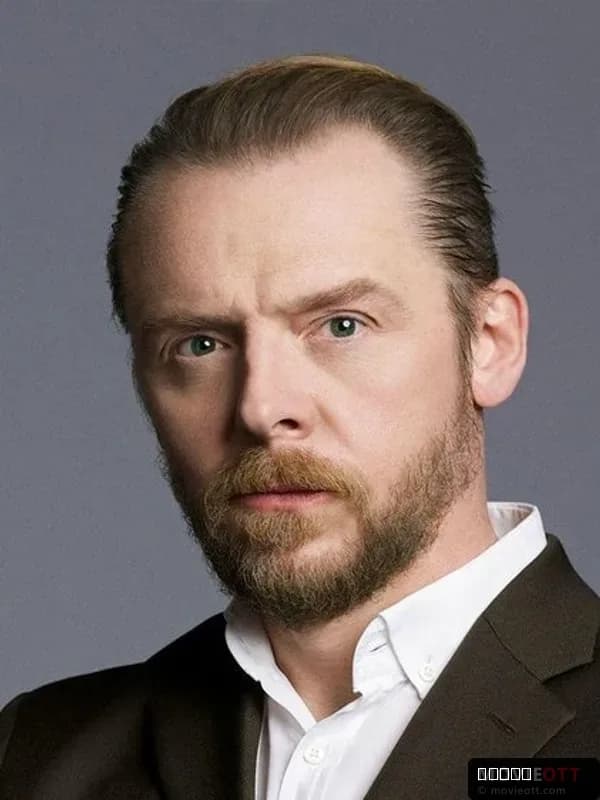
Shaun of the Dead is, at its heart, a breakup movie that happens to feature the undead. When Simon Pegg's character — a directionless South London electronics salesman — gets dumped by his girlfriend Liz, he's forced to confront the fact that he's committed to nothing: not relationships, not ambition, not even basic household chores. Then the zombies show up. And suddenly, commitment becomes a matter of survival.
What's striking is that Edgar Wright doesn't treat the apocalypse as the main story. It's the pressure cooker. The real plot is watching Shaun become someone capable of actually leading — of making decisions that matter — because the world literally stops tolerating his passivity. It's funny, gory, and weirdly moving in ways that sneak up on you.
The Creative Partnership That Made This Work
Wright and Pegg co-wrote the screenplay after cutting their teeth together on the cult British sitcom Spaced, where they'd already figured out how to balance absurdist humor with genuine character depth. That history shows. There's a shorthand between them — the kind that only comes from years of collaboration — and the film trusts you to follow jokes that land because Pegg and Frost's Ed have already earned that complicity with the audience.
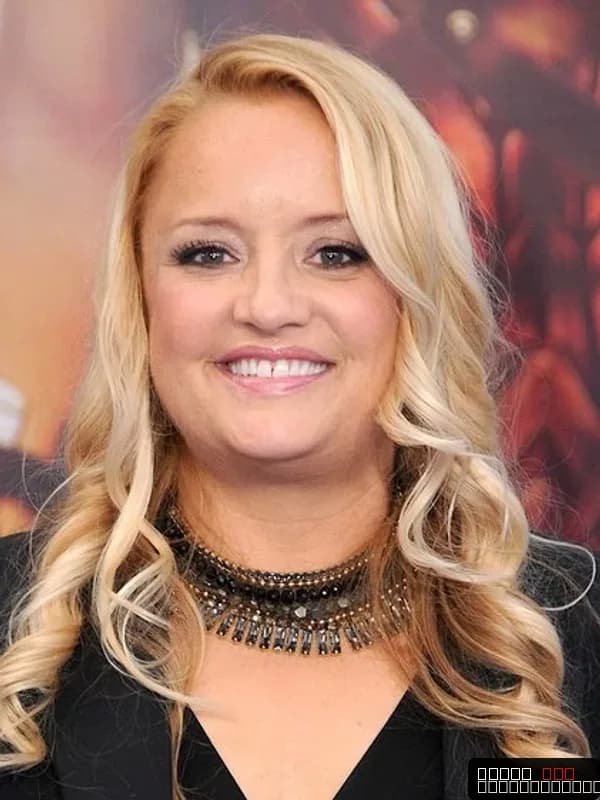
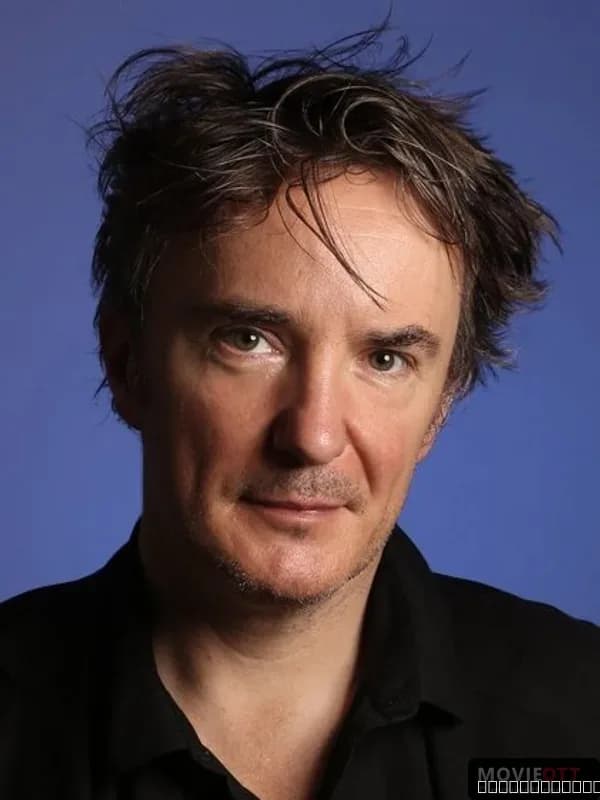
The supporting cast does heavy lifting that could've been thankless. Lucy Davis plays Dianne, Ed's flatmate, with the patience of someone who's watched her roommate derail every possible future. Dylan Moran shows up as David and is supposed to be insufferable — and he absolutely is, in exactly the right way. Jessica Hynes and Penelope Wilton round out the ensemble, but it's Wilton, as Shaun's mum, who carries the film's emotional center. She's in maybe four scenes. She breaks your heart in all of them.
The film hit theaters in April 2004 in the UK before arriving in North America that September. Its box office take — $14.46 million worldwide — was modest by blockbuster math, but that number misses the real story. The film's reputation built slowly, especially after it hit home video and cable. It earned 14 awards from 20 nominations across major ceremonies, including three BAFTA nominations, and critics didn't just praise it — they argued about it in ways that suggested something genuine was happening onscreen.
What Makes the Comedy Actually Land
Here's the thing nobody mentions: Wright structures every laugh around real dread. The zombies aren't cute or cartoonish. They're threatening. Deaths actually sting. The film earns its gut-punches because it spends the first hour making you care about people who, structurally, are kind of a mess.
Most of the comedy comes from recognition rather than absurdity. There's a sequence early on where Shaun walks to the corner shop while the apocalypse unfolds completely unnoticed around him — a hungover man navigating a world that's literally ended without registering it — and it's one of the great sight-gag stretches in British cinema. Wright's direction rewards rewatching. The film is famously loaded with callbacks and foreshadowing planted so naturally you don't catch them the first time.
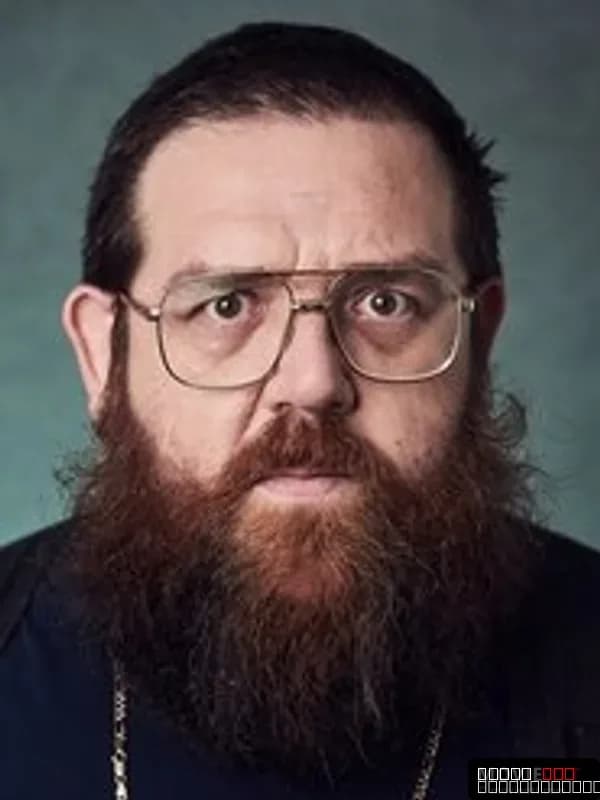
What I keep coming back to is Pegg's performance. He plays Shaun as fundamentally decent but chronically passive, and the arc of the film is watching him slowly become the person the situation demands. Frost gets to do something harder than straight comedy — Ed is funny right up until he isn't, and the film trusts the audience to hold both registers at once without explanation. The 7.7/10 IMDb rating from over 630,000 votes reflects something rare: a film this willing to be weird that still has genuine broad appeal. Check Movie OTT's audience-vs-critic breakdown and you'll see almost no gap between them — a sign the film works across different kinds of viewers.
Where to Stream It (And What to Watch Next)
Shaun of the Dead is currently available on major streaming platforms, though availability shifts more often than most people expect. Your best move is checking the where-to-watch widget at the top of this page for the most current list — streaming rights are in constant flux, and what's on one service this month might've migrated by next month.
If you're planning a double feature, consider pairing it with Wright's follow-up, Hot Fuzz (2007). The two films share the same sensibility and some of the same cast, though they operate in completely different genres. Movie OTT tracks streaming availability across services, so you can see whether both are on the same platform before you commit to the evening.
Common Questions
Is it actually scary, or just funny? Both. The gore is practical and explicit in places. There are genuinely upsetting moments alongside the comedy, and the film earns its R rating. It's not a kids' movie, but older teens comfortable with horror will find the comedic framing makes it more manageable than straight zombie fare.
Who's in it? Simon Pegg and Nick Frost carry the film. Kate Ashfield plays Liz, Pegg's ex. Lucy Davis, Dylan Moran, Jessica Hynes, and Penelope Wilton make up the supporting cast. Edgar Wright directed and co-wrote with Pegg.
When did it come out? April 2004 in the UK; September 2004 in North America.
Is it based on anything? No — it's an original screenplay. Wright and Pegg drew from George Romero's zombie films and British comedy conventions, but the story and characters are entirely invented. It's the first film in what Wright later called the Cornetto Trilogy (followed by Hot Fuzz and The World's End).
How'd it do financially? The $14.46 million box office was solid for a low-budget British horror-comedy, but its real audience came through home video and streaming. The critical reputation has only grown in twenty years.
Should You Watch It?
Yes. If you've ever felt stuck — in a job, a relationship, a friendship that's started to feel like dead weight — you'll find something unexpectedly true here. Horror fans get a film that respects the genre while taking it apart. Comedy fans get some of the sharpest writing British cinema produced in the 2000s.
The film doesn't feel dated. Not because it's "timeless" in some abstract sense, but because it was built on character and observation rather than references with expiration dates. Hard to say whether Wright knew he was making a modern classic. But two decades on, it holds. Completely.
Start here. Then watch Hot Fuzz. Then The World's End. They're better watched in order — each one builds on the sensibility of the last, and the trilogy takes on new weight when you see how Wright was thinking about time, friendship, and change across all three.