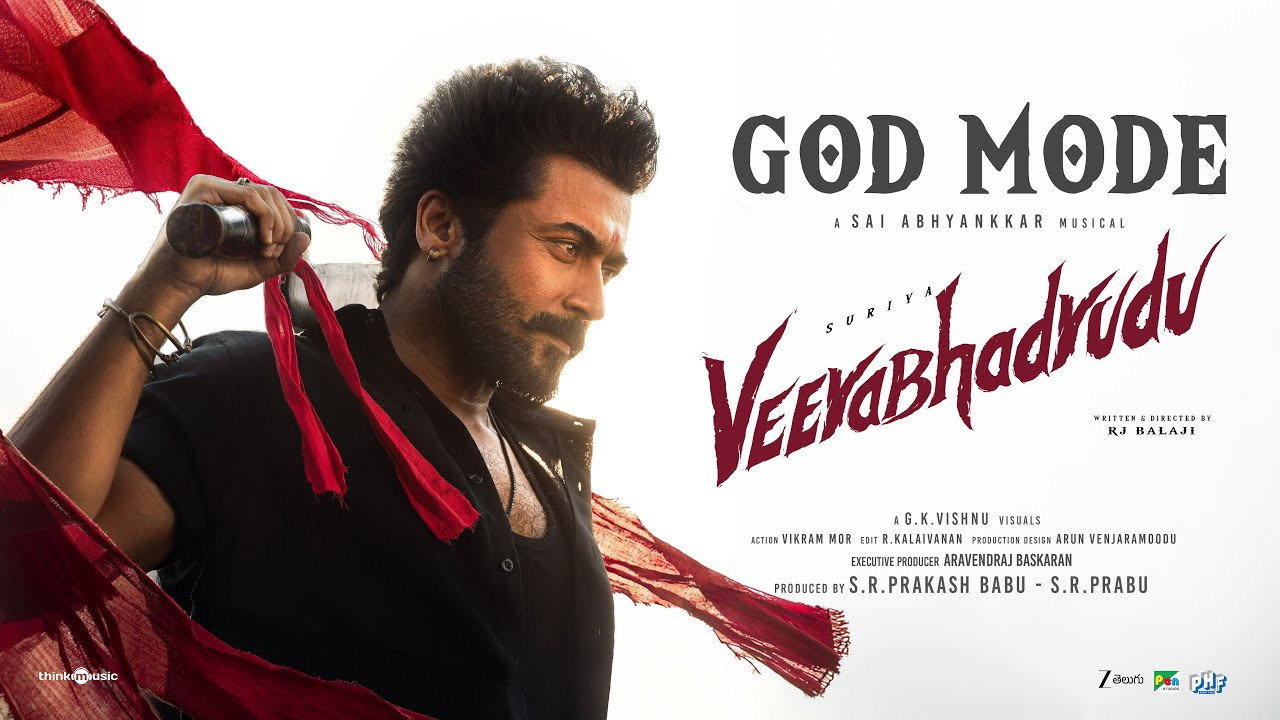
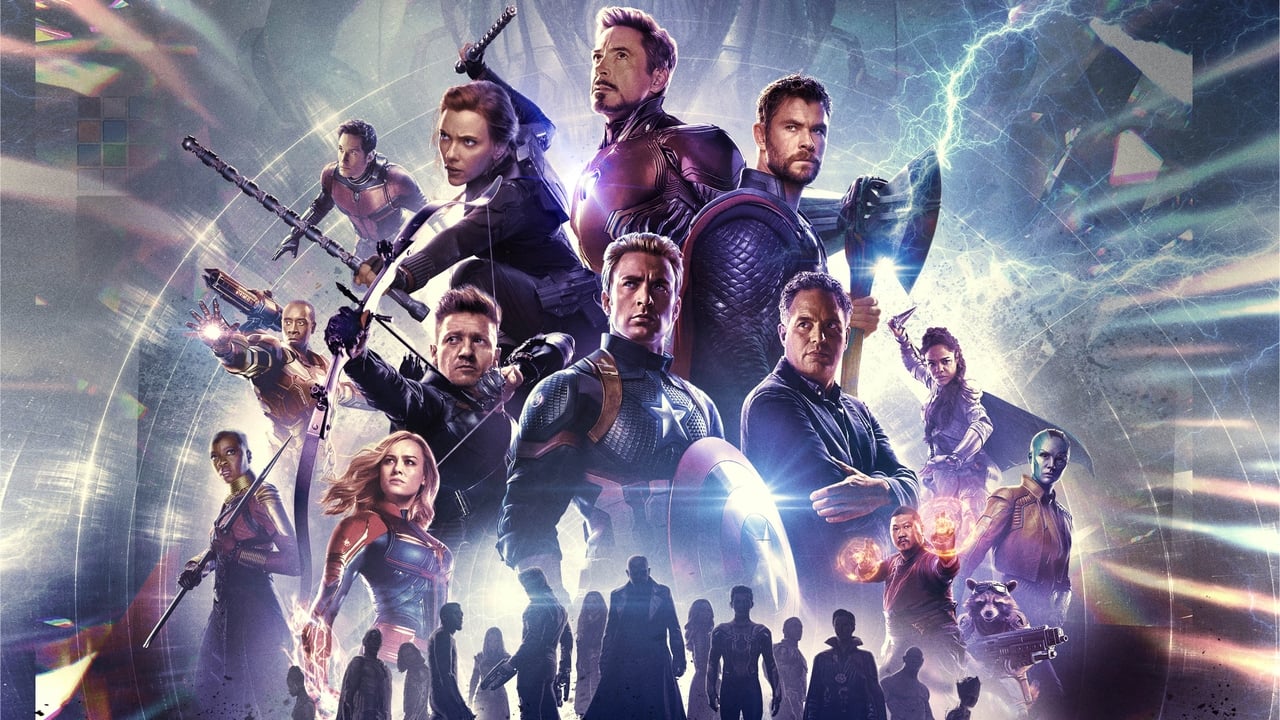
July 2026 was not a quiet month for streaming revenue. Veerabhadrudu — a Telugu-language action epic that most Western trade publications barely covered before its release — pulled $3.4 billion worldwide, landing at the top of every index tracked across our box-office indices at movieott.com and doing so by a margin that's genuinely hard to contextualize. For a film budgeted at $800 million to generate a 4.3x ROI is respectable, but the raw revenue figure is the real story: it outpaced Avengers: Endgame's $2.8 billion re-release performance and did it without the twenty-year Marvel brand runway. That's not a small thing.
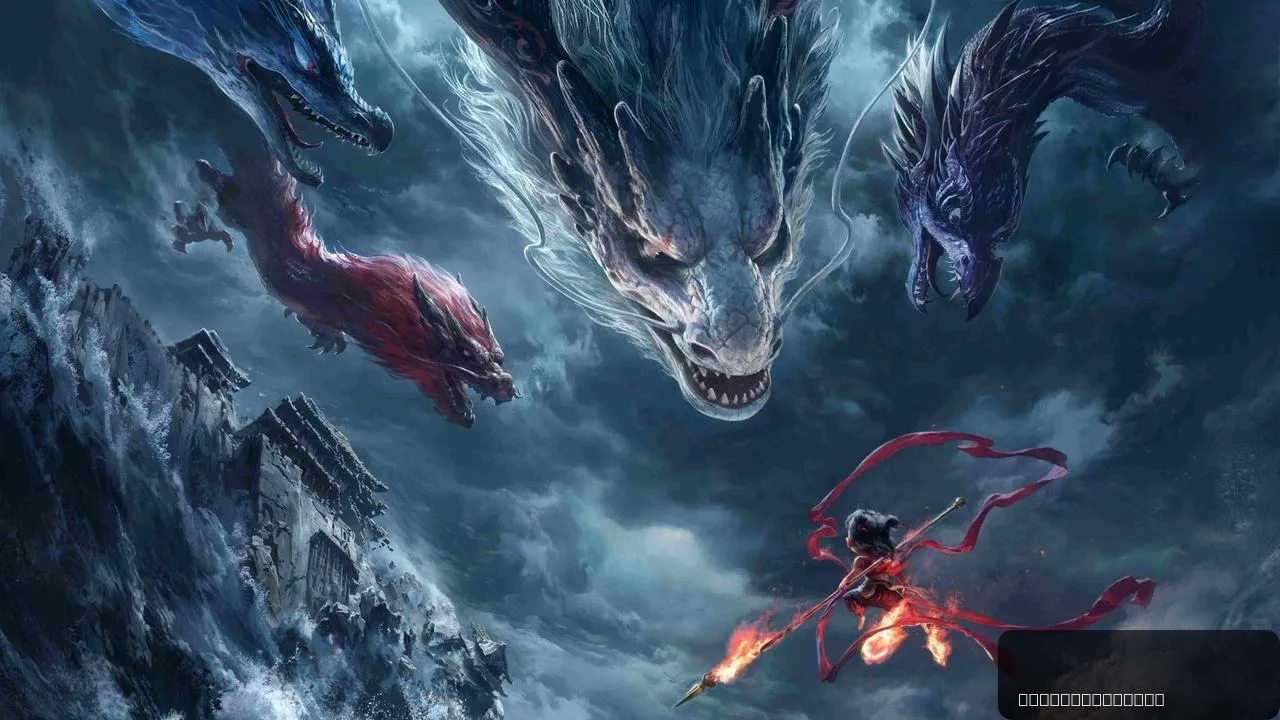
The ROI picture, though, belongs to Ne Zha 2. A $80 million production that returned $2.3 billion — a 28.2x multiple — is the kind of number that makes studio finance executives reconsider their entire slate strategy. Variety reported that the original Ne Zha (2019) became the highest-grossing animated film in Chinese box-office history at the time, so the sequel had goodwill to spend, but nobody projected this scale of return. It's the clearest regional anomaly in the dataset: Chinese-language animation operating at a capital efficiency that no Hollywood tentpole came close to matching this period. Joker (2019) at 19.6x on a $55 million budget and Minions at 15.7x on $74 million are the only Western titles in the same conversation, and both of those are catalog re-releases riding algorithmic recommendation cycles, not fresh theatrical momentum.
What's striking is how badly Star Wars: The Rise of Skywalker holds up against the rest of this list. A $490 million production budget — the highest on the chart — yielding only $1.1 billion and a 2.2x ROI while sitting at a 6.3 user rating. Painful. That's the worst return-per-dollar of any film here, and it's not close. For context, Lilo & Stitch: A Heartwarming Family Adventure (2025) cost $100 million, earned $1.0 billion, and posted a 10.4x multiple — nearly five times the capital efficiency of Lucasfilm's most expensive production. Hard to say if Disney has fully absorbed that lesson yet, but the data makes the argument pretty bluntly.
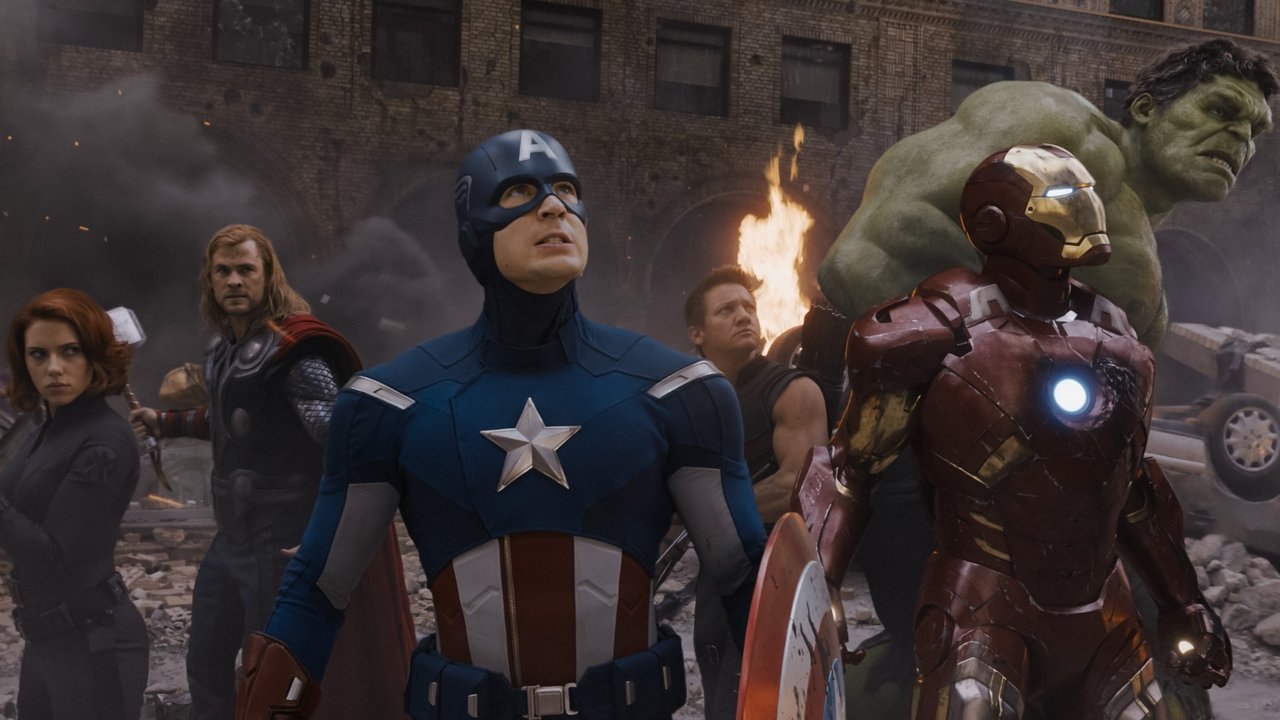
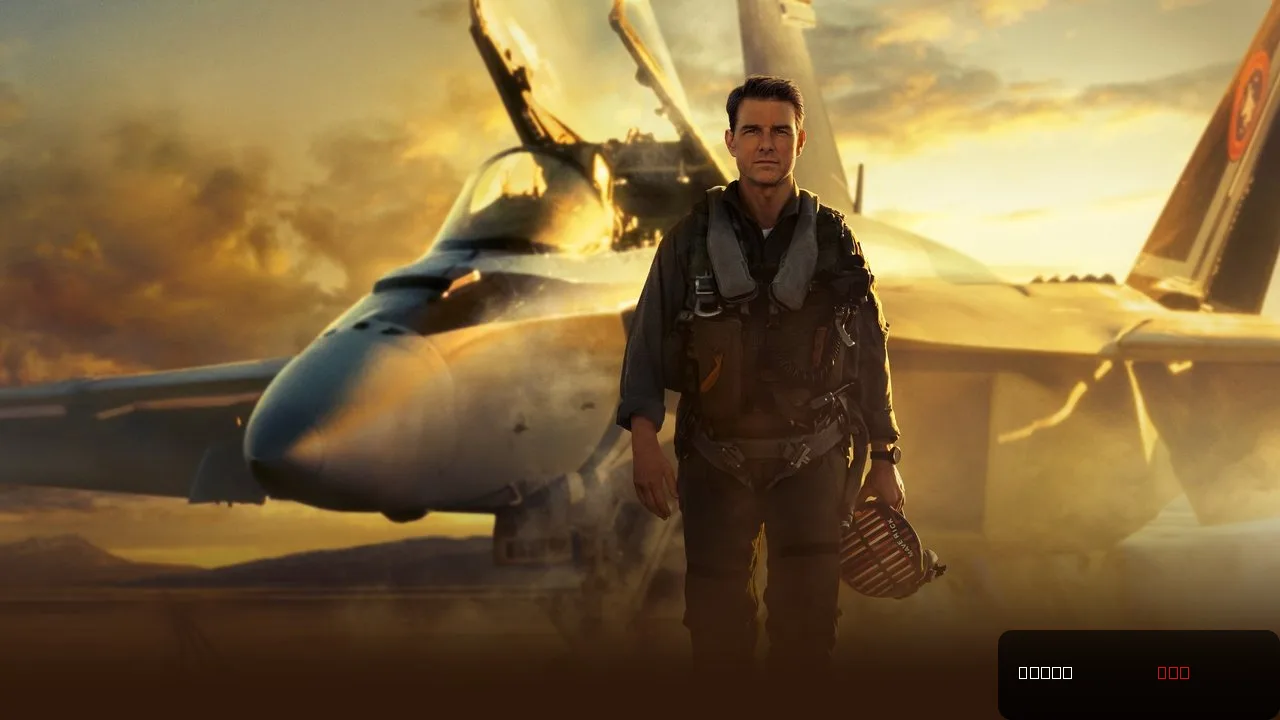
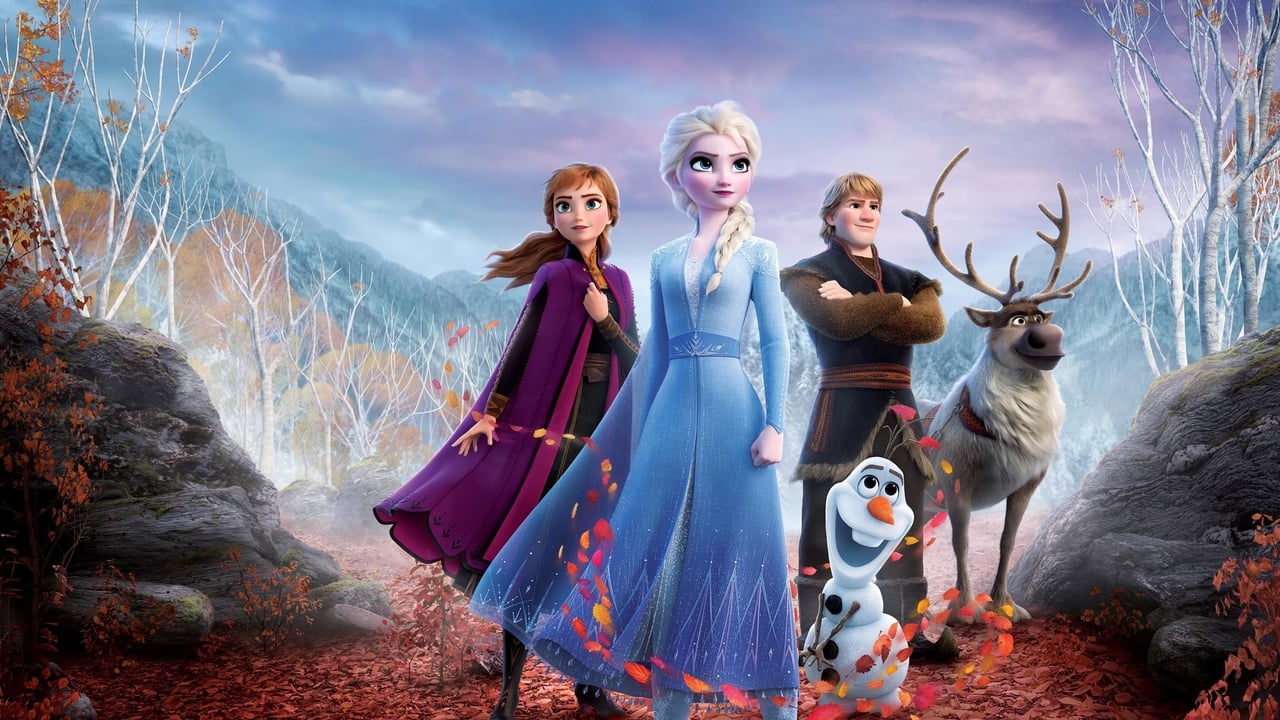
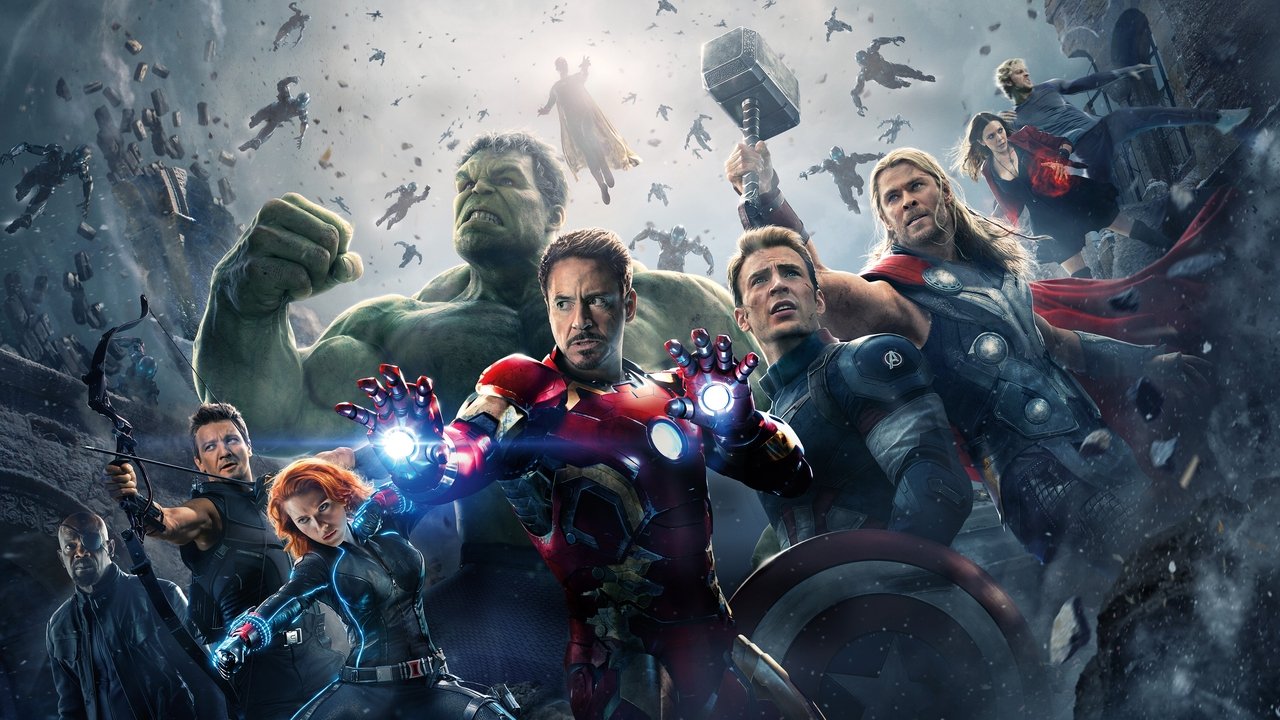
The Hollywood catalog titles clustered between $1.0 billion and $1.5 billion — Frozen II, Top Gun: Maverick, the Toy Story films, Pirates of the Caribbean — tell a different story about OTT consumption patterns in mid-2026. These aren't new releases driving that revenue; they're library titles cycling through subscriber re-engagement windows, and the fact that Top Gun: Maverick (9.7x... wait, that's Frozen II at 9.7x, Maverick at 8.8x) — both sit above most of the MCU films on pure ROI — suggests that mid-budget, non-franchise-dependent films with broad demographic appeal have a longer streaming tail than the industry's current production slate would imply.
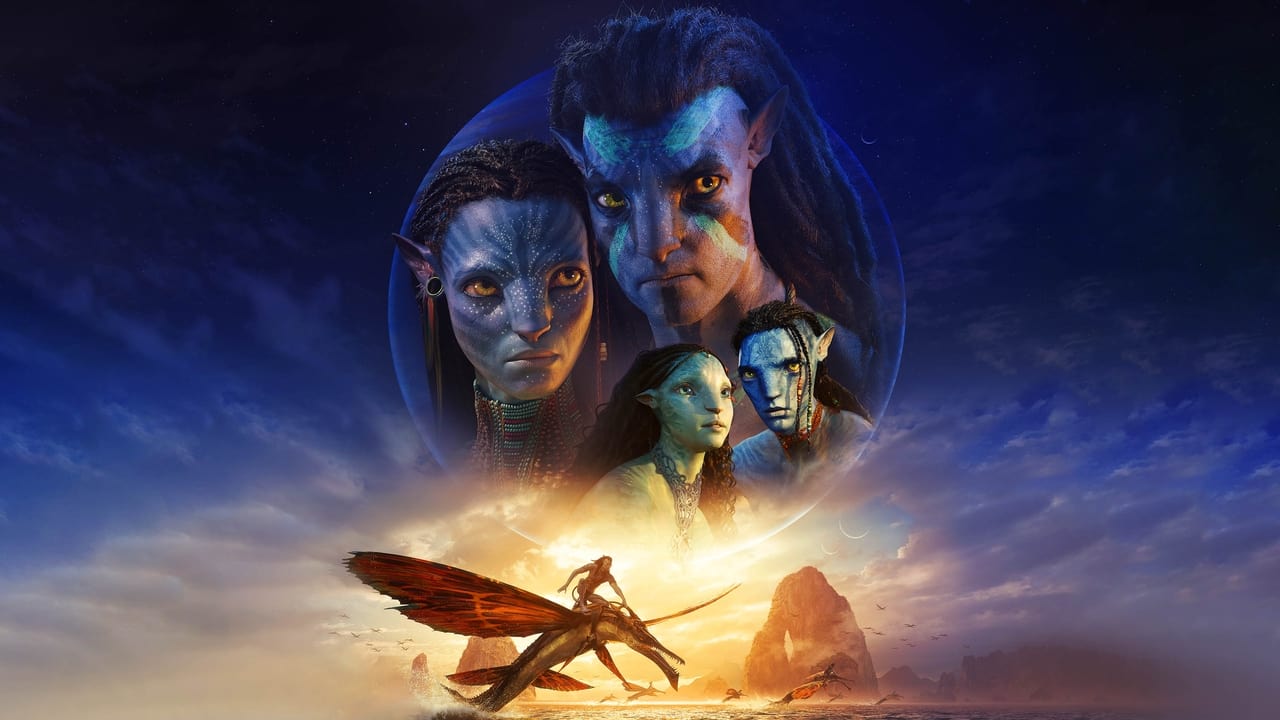
I keep coming back to the Veerabhadrudu situation, because it represents something the Western trades don't quite have the vocabulary for yet. South Indian cinema has been building toward this kind of global number since RRR crossed $150 million internationally in 2022, and a Telugu-language film now sitting above every English-language title in a worldwide monthly ranking is a structural shift in who's producing the most commercially potent content — not a fluke. The gap between Veerabhadrudu's $3.4 billion and the second-place Endgame re-release at $2.8 billion is $600 million. That's larger than the entire budget of Avatar: The Way of Water.
Data sourced from TMDB worldwide box-office records. Updated weekly. Generated 2026-07-27.