



The Story of Captain America: Civil War
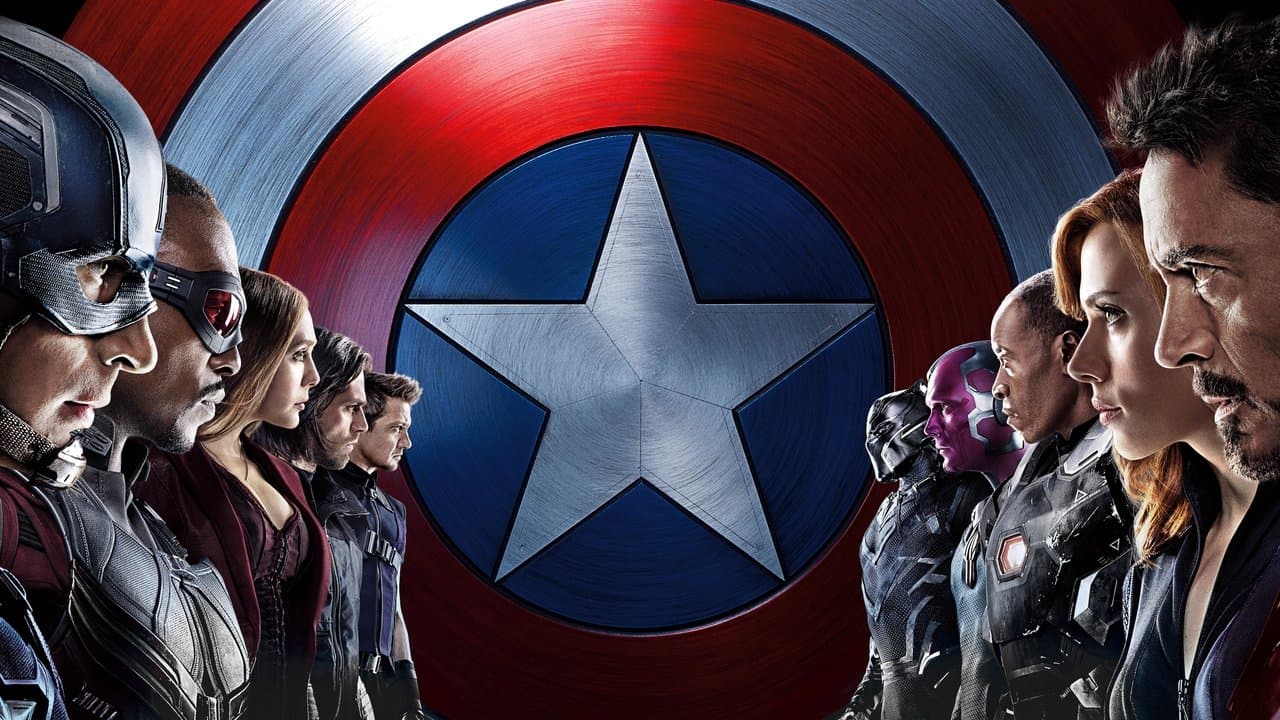
Captain America: Civil War picks up after the events of Age of Ultron, when the collective governments of the world decide enough is enough. They pass an act designed to regulate all superhuman activity — a reasonable-sounding policy that becomes anything but. The central conflict isn't about a villain plotting world domination or an alien invasion. It's about ideology. It's about whether superheroes should answer to governments or operate independently. Steve Rogers believes in freedom and accountability to conscience. Tony Stark, haunted by collateral damage from previous battles, believes in structure and oversight. What starts as a policy disagreement becomes a full-scale war between former allies, with the Avengers forced to choose sides.
This isn't your typical Marvel setup. There's no singular "bad guy" to defeat in the third act. The real enemy is the fracture itself — the realization that heroes can't always agree on what's right, and that conviction on both sides can't be simply argued away. That's what makes the film's tagline, "United we stand. Divided we fall," so pointed. By the end, nobody wins. Friendships shatter. The team dissolves. And you're left wondering if anyone made the right call.
Behind the Making of Captain America: Civil War
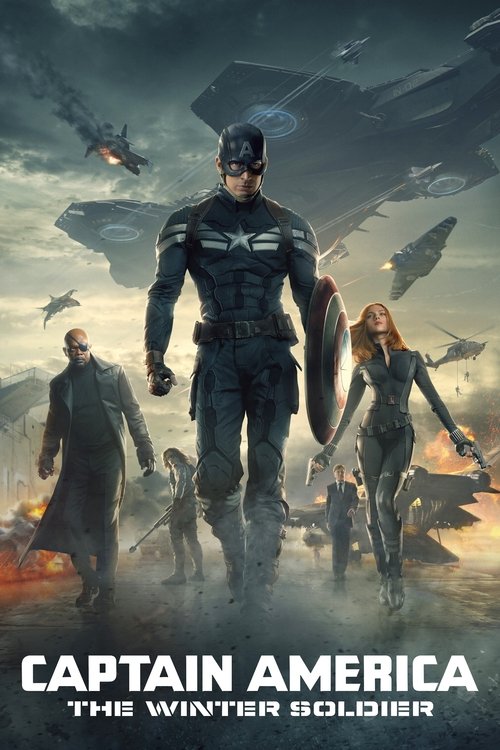
Directors Anthony and Joe Russo — the Russo Brothers — took the helm for this 147-minute epic, bringing the kind of political thriller sensibility that elevated Captain America: The Winter Soldier. They worked from a screenplay by Christopher Markus and Stephen McFeely, the same writing team behind Winter Soldier, which meant continuity and thematic depth. This was Marvel Studios' 13th film in the MCU, and by 2016, the studio had built enough goodwill and character development that an ideological conflict between heroes could actually carry the weight of a tentpole blockbuster.
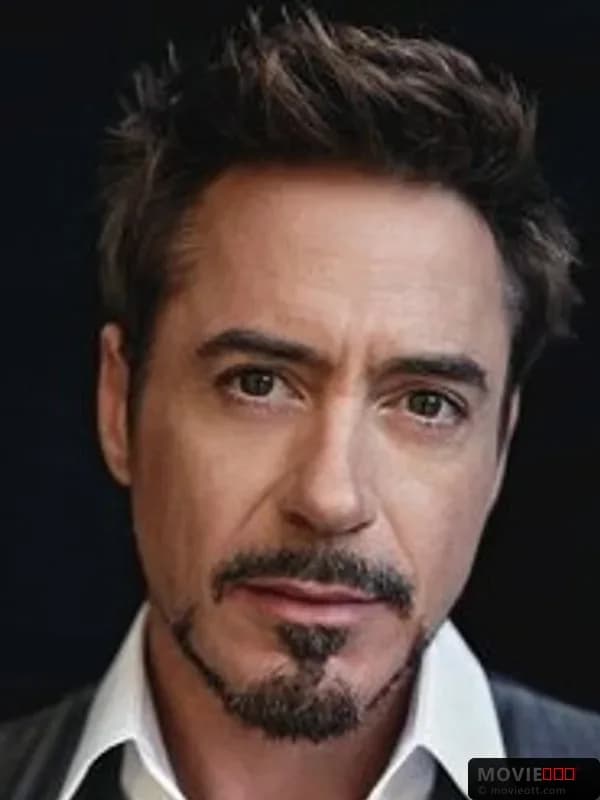
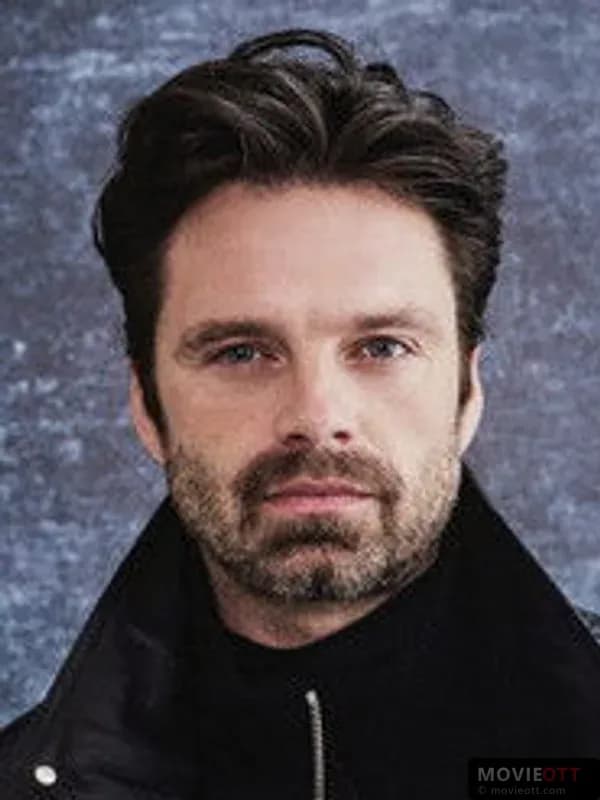
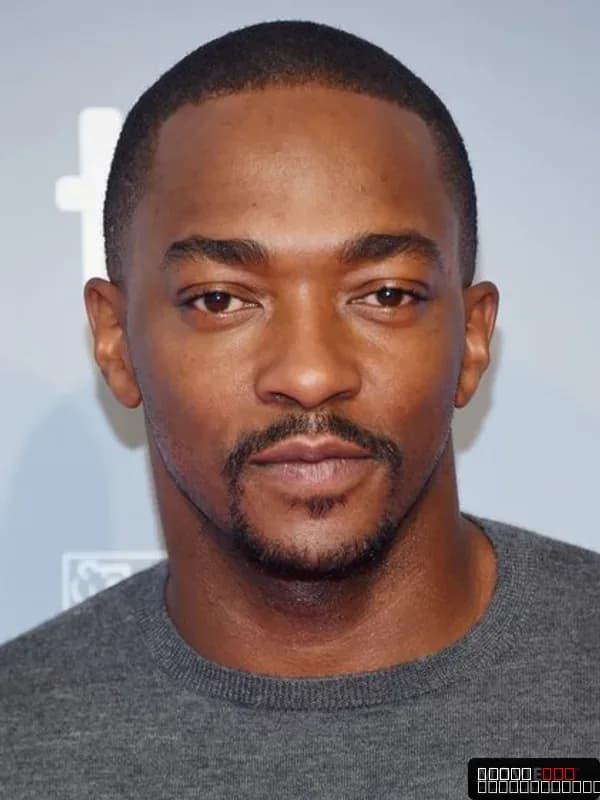
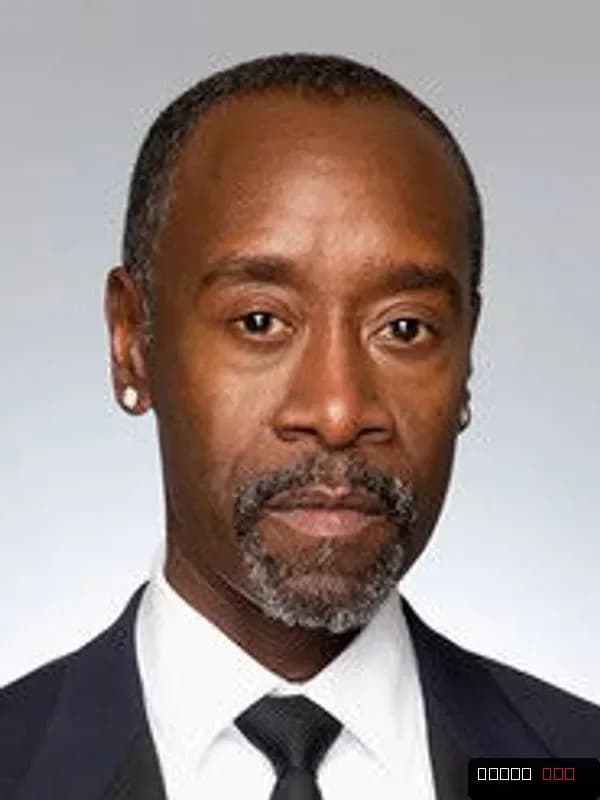
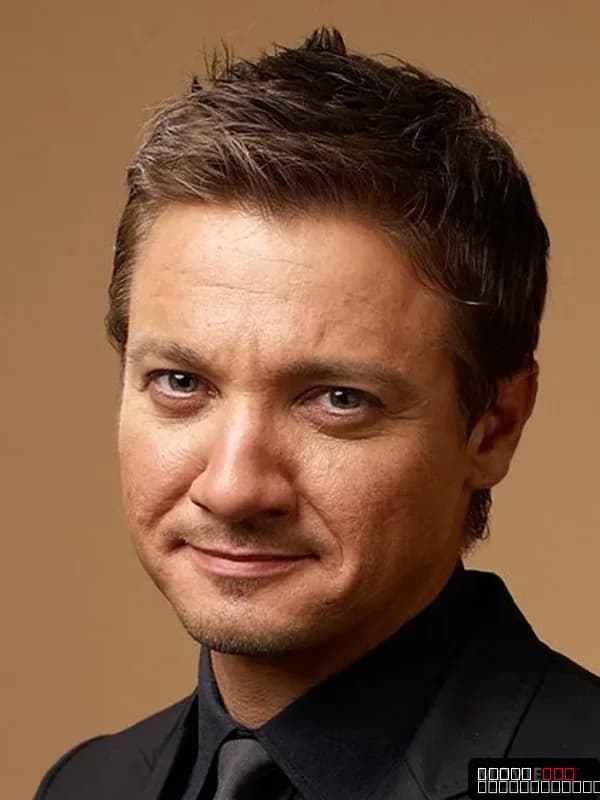
The ensemble cast reads like a who's-who of prestige talent. Chris Evans anchors the film as Steve Rogers, but the real draw was seeing Robert Downey Jr. positioned as the antagonist — or at least, the opposing force. The supporting cast included Sebastian Stan as Bucky Barnes, Scarlett Johansson as Black Widow, Anthony Mackie as Falcon, Don Cheadle as War Machine, Jeremy Renner as Hawkeye, Elizabeth Olsen as Scarlet Witch, Paul Rudd as Ant-Man, and a breakout role for Chadwick Boseman as Black Panther, who would go on to anchor his own franchise. Tom Holland's Spider-Man also appeared — a mid-credits gamble that paid off spectacularly. The film's IMDb rating of 7.449/10 reflects its broad appeal, though audience reception proved more divided than the Avengers themselves. Movie OTT tracks how these ensemble-driven blockbusters find their way across streaming platforms, and Civil War's journey to various services demonstrates how major MCU tentpoles remain in high demand years after release.
What Makes Captain America: Civil War Stand Out
Here's the thing about Civil War that still holds up: it doesn't treat either side as wrong. That's genuinely rare in superhero cinema. Most films want you rooting for the heroes unconditionally. This one asks you to sit with moral ambiguity — and honestly, different viewers leave the theater convinced the other guy had a point. The Russo Brothers understood that a conflict between ideological equals creates more tension than any CGI villain could manage.
The action sequences are kinetic and inventive, particularly the airport battle in the second act. You've probably seen clips of it — that's the scene where the Avengers basically go to war with each other on a runway, and it's played with humor and genuine stakes simultaneously. But what's striking is how much character work the film accomplishes in between the set pieces. There are quiet moments where you see the weight of the decision on these people's faces. Sebastian Stan's performance as Bucky carries an undercurrent of guilt and confusion. Scarlett Johansson's Black Widow is torn between two sides, and her final choice carries real consequence. And Tom Holland's Spider-Man — barely in the film — somehow steals scenes through sheer charm and naivety.
Critics and audiences didn't entirely agree on the film's merits. Some felt it was less a Captain America film and more a third Avengers movie wearing the wrong title — a fair critique, given how much screen time goes to the ensemble rather than Evans alone. Others praised it as Marvel's most mature and thematically complex entry to date. What nobody could deny was the ambition. The film takes genuine risks with its narrative structure and refuses easy resolutions. When it ends, the Avengers aren't reunited. They're fractured, legally compromised, and scattered. That's not typical blockbuster storytelling.
How to Watch Captain America: Civil War Online
Captain America: Civil War is available across major OTT services, and the "Where to Watch" widget at the top of this page shows exactly where you can stream it right now. Availability shifts between platforms — Disney+ carries much of the MCU catalog in many regions, though licensing deals mean Civil War pops up on different services depending on your location and subscription mix. Movie OTT keeps that information current, so you don't waste time hunting. The film's 147-minute runtime means you'll want a solid block of time and ideally a good screen — the airport battle sequence deserves better than a phone.
Frequently asked questions
Q: Who directed Captain America: Civil War?
Anthony and Joe Russo, known as the Russo Brothers, directed the film. They also helmed Captain America: The Winter Soldier and went on to direct Avengers: Infinity War and Endgame, becoming the architects of the MCU's most ambitious storylines.
Q: Is Captain America: Civil War based on a true story?
No, it's based on Marvel Comics characters and storylines, though the ideological conflict over superhero regulation draws loose inspiration from the "Civil War" comic arc. The film adapts those themes for the MCU's continuity rather than following the source material directly.
Q: Where can I watch Captain America: Civil War?
The film streams on major OTT platforms. Check the "Where to Watch" widget above to see current availability in your region, as licensing varies by location and subscription service.
Q: How long is Captain America: Civil War?
The film runs 147 minutes, giving the Russo Brothers enough time to develop both the political conflict and the personal stakes without feeling rushed.
Q: Does Captain America: Civil War have post-credits scenes?
Yes. The film includes a mid-credits scene and a post-credits scene that set up future MCU projects, so stick around through the credits if you're watching for the first time.
Final Thoughts on Captain America: Civil War
Captain America: Civil War remains one of the MCU's boldest swings — a film that prioritizes ideological conflict and character fracture over traditional villain-defeat plotting. It's not perfect. The pacing stumbles occasionally, and some viewers genuinely do feel the title's misleading. But it's undeniably ambitious, anchored by strong performances, and willing to end on an unresolved, melancholic note. If you haven't seen it since 2016, it's worth revisiting now. The questions it raises about power, accountability, and the cost of conviction feel even more relevant. That's the mark of a film that connected with something real.