


Crouching Tiger, Hidden Dragon
Release: 2000 | Director: Ang Lee | Cast: Chow Yun-Fat, Michelle Yeoh, Zhang Ziyi | Rating: PG-13 | Runtime: 120 min
When a legendary sword vanishes in Qing Dynasty China, two aging warriors are pulled back into a world they'd tried to leave behind. What unfolds isn't just a heist plot — it's a film about the weight of duty, the cost of honor, and whether the sacrifices we make for principle ever actually feel worth it.
Why Crouching Tiger, Hidden Dragon Changed Action Cinema Forever
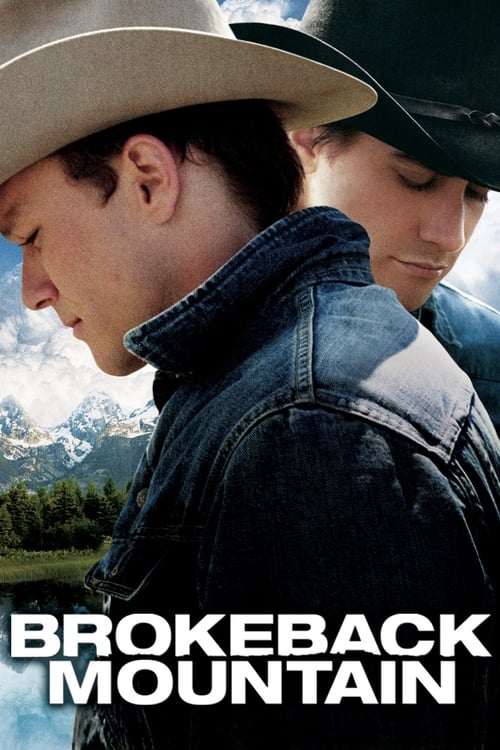
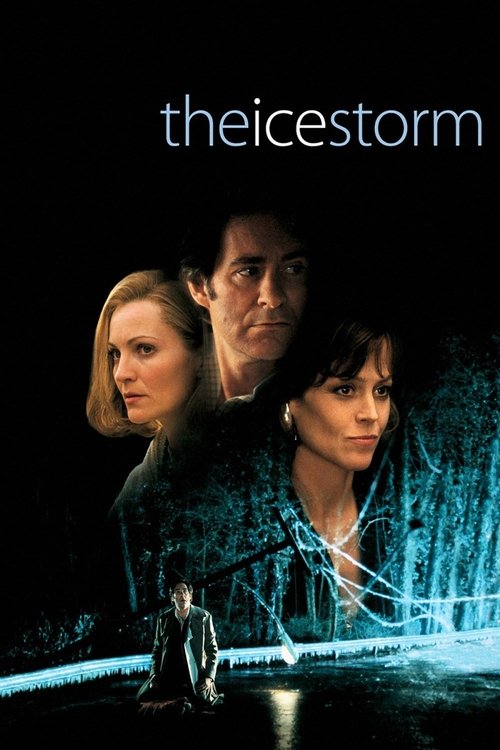
Here's the thing nobody mentions enough: Ang Lee didn't come to this project as a wuxia specialist. He'd spent the '90s making emotionally precise period dramas — Sense and Sensibility, The Ice Storm — and he brought that same interior focus to a genre that traditionally prioritized spectacle over feeling. The result feels like a conversation between intimacy and scale.
The fight sequences — choreographed by Yuen Woo-ping (fresh off The Matrix) — are extraordinary, yes. The rooftop chase through Beijing. The bamboo forest duel. But what's striking is that Lee never lets the action exist for its own sake. Every fight is an argument. A confession. When Yu Shu Lien and Jen cycle through weapon after weapon for several minutes, it's really about two women negotiating what freedom means — and what it costs.
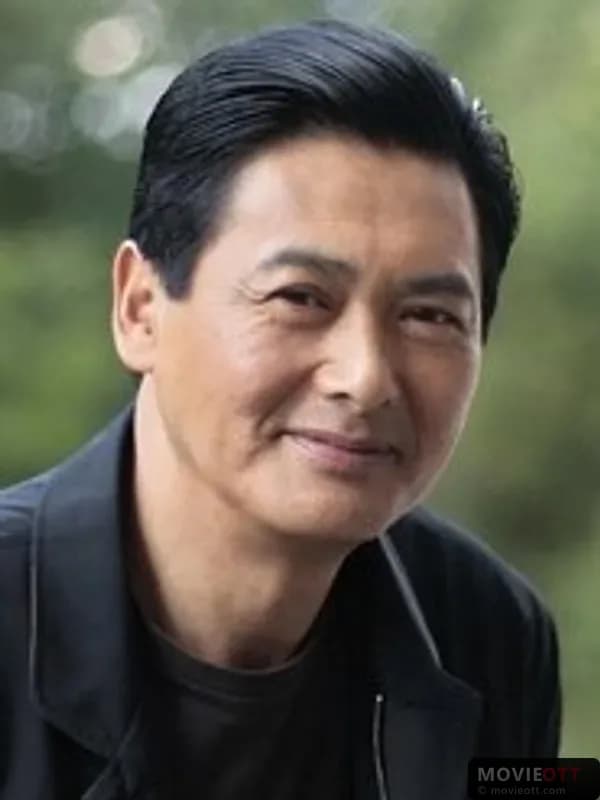
Zhang Ziyi's Jen is the film's electric center. In only her second film ever, she plays a young noblewoman secretly trained in martial arts who wants nothing more than to escape the life arranged for her. There's this combination of arrogance and vulnerability that you can't look away from. Meanwhile, Michelle Yeoh brings restraint that's almost painful — a woman who's swallowed her feelings for Li Mu Bai for so long she's become fluent in saying nothing. Chow Yun-Fat grounds it all with a gravity that makes his rare moments of openness genuinely affecting.
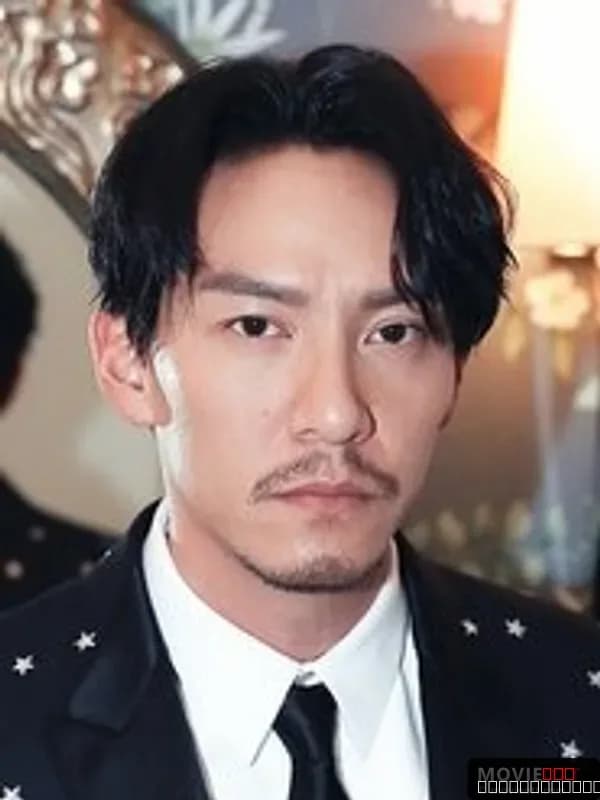
The cast itself is a kind of wuxia hall of fame. Legendary Cheng Pei-Pei — who starred in classic Shaw Brothers films decades earlier — appears alongside Chang Chen and Lung Sihung. It's an ensemble assembled with genuine reverence for the genre's history.
How a Subtitled Film Grossed $128 Million in North America
This part still feels impossible. The film opened in limited release in December 2000 and eventually earned $128,530,421 domestically — an unimaginable figure for a subtitled foreign-language film. For years, this was a record that seemed untouchable.
It won four Academy Awards at the 73rd Oscars: Best Foreign Language Film, Best Cinematography (Peter Pau), Best Art Direction, and Best Original Score (Tan Dun). Across the global awards circuit, it racked up 102 wins and 132 nominations total. Metascore: 94/100. Rotten Tomatoes: 96%.
The international co-production (Hong Kong, Taiwan, US, mainland China) shot across the Gobi Desert and bamboo forests of Anji — landscapes that demanded to be seen on a large screen. Peter Pau's cinematography was composed with a scope and grandeur that genuinely suffers on a phone or laptop. That's worth keeping in mind if you're planning to watch it through Movie OTT or another streaming service.
Where to Watch — and Why Format Matters
Crouching Tiger, Hidden Dragon is available on major streaming platforms right now. The where-to-watch widget on Movie OTT's site shows real-time availability — platform rights shift quarterly, so checking there beats guessing which service still has it.
Here's my honest recommendation: if you have the option, watch it on the largest display you can access. A 55-inch TV or a theater projection makes an actual difference with this film. The bamboo forest fight scene in particular — where light filters through dense vegetation — was designed to be experienced with depth and scale.
The film is rated PG-13, which surprised some viewers given the intensity of its fight sequences. But Lee always kept the violence purposeful rather than gratuitous. You see impact, not gore.
The Emotional Core That Stays With You
I keep coming back to one thing: what makes this film feel essential isn't just the action. It's the quiet moments in between. Li Mu Bai and Yu Shu Lien have spent years circling each other without ever quite breaking the surface. They're bound by loyalty to the martial world in a way that prevents them from being bound to each other. There's a scene where they stand together in near-silence, and you can feel decades of unspoken feeling in the space between them.
That's not standard action-film territory. That's the emotional precision Lee brought from his drama work — applied to a genre that, honestly, had room for it.
If you liked: Hero (2002), House of Flying Daggers (2004), or any wuxia film since then — you're watching this film's influence. Crouching Tiger didn't just dominate its genre. It redefined what a global audience expected from it.
Frequently Asked Questions
Where can I watch Crouching Tiger, Hidden Dragon? Check Movie OTT's where-to-watch tracker for current streaming availability on major platforms. It's a good bookmark since licensing rights shift.
Who directed it, and when was it made? Ang Lee directed the film in 2000. He was already known for Sense and Sensibility and The Ice Storm — two character-driven period pieces that prepared him, in a weird way, for wuxia.
How many Oscars did it win? Four: Best Foreign Language Film, Best Cinematography, Best Art Direction, and Best Original Score. It earned 132 nominations across global awards and won 102 of them.
Is it subtitled? Yes — it's primarily Mandarin Chinese with English subtitles. It was a landmark moment for subtitled foreign-language films in North America.
Is it based on a true story? No. It's adapted from the fourth novel in a five-part wuxia series written by Wang Dulu between 1941 and 1942. The characters and events are fictional, set against a loosely historical Qing Dynasty backdrop.
Who Should Actually Watch This
Essential viewing for anyone who cares about film craft — not just action fans, though they'll find plenty to analyze here. It's for people who want their fight scenes to mean something. Their romances to ache. Their endings to linger for days afterward.
Hard to say if any film since has managed the same balance of physical spectacle and genuine emotional weight quite so gracefully. If you haven't seen it, start now. If you have — even if it's been years — it holds up. Rewatching it reveals new layers, new nuances in the performances, new weight in the silences between fights.