
What 40,000 Years of Dreaming Is About
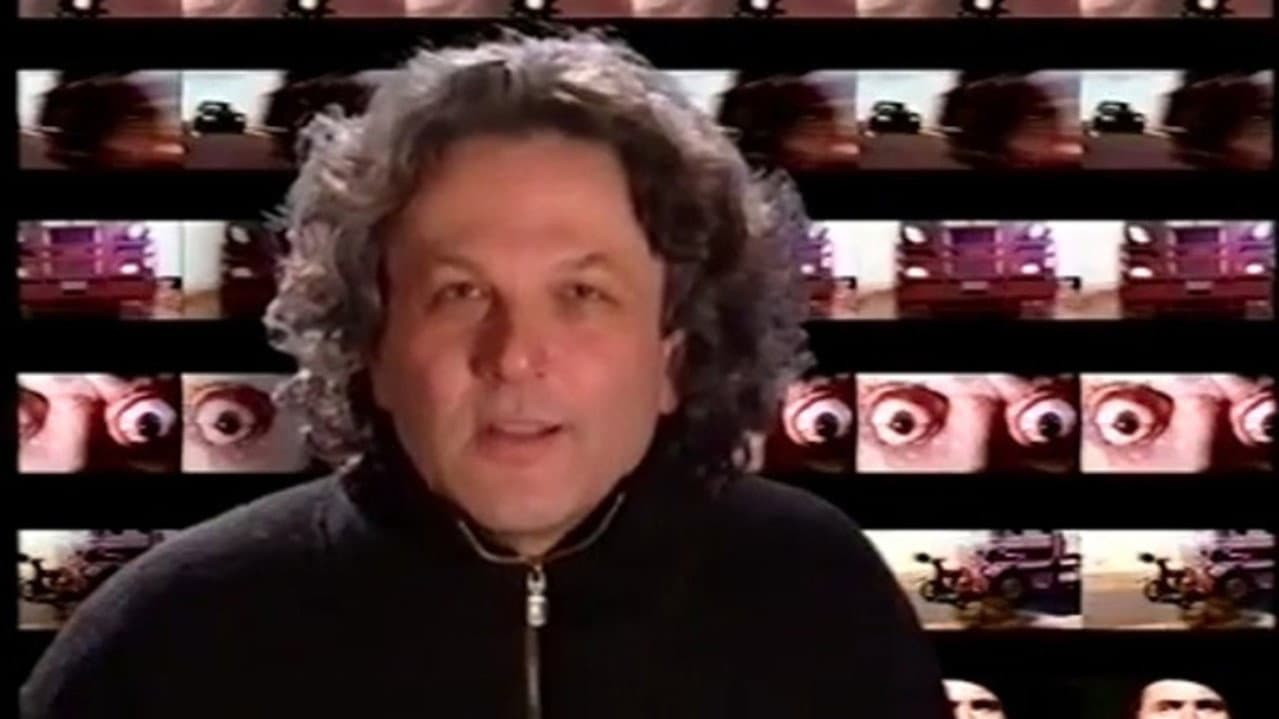
40,000 Years of Dreaming is George Miller's personal essay on Australian cinema—a 67-minute documentary that treats film not as entertainment or industry product, but as a form of national mythology. Miller, the Australian-born filmmaker behind Mad Max and Happy Feet, proposes a radical idea: that Australian movies function like song-lines, the Aboriginal concept of pathways that encode stories, geography, and spiritual knowledge into landscape and song. Rather than plot summary or box-office analysis, Miller walks viewers through how Australian feature films can be understood as visual music, public dreaming, and hymns that sing of Australia itself. He's not interested in ranking films or declaring winners. Instead, he's asking: what do these movies tell us about who we are?
Behind the Making of 40,000 Years of Dreaming
Produced by the British Film Institute as part of The Century of Cinema series—a project examining national cinemas across the globe—40,000 Years of Dreaming brought together BFI resources with Kennedy Miller Productions, Miller's own company. The documentary arrived in 1996, a moment when Australian cinema was enjoying international recognition but hadn't yet been systematized through the lens Miller proposes here. What's striking is that Miller doesn't position himself as a detached critic. He's making an argument from inside the tradition, drawing on his own experience as a filmmaker shaped by Australian culture and landscape. The IMDb rating of 6.4/10 reflects the film's niche appeal—it's not a crowd-pleaser in the traditional sense, but rather a work aimed at serious students of cinema, cultural historians, and anyone curious about how national identity gets encoded in film. The BFI's backing gave the project credibility and reach, though it remained largely a film-festival and educational circuit title, never commanding mainstream theatrical distribution. For those tracking Miller's career, this documentary sits alongside his narrative work as evidence of a filmmaker thinking philosophically about cinema itself.
Why 40,000 Years of Dreaming Stands Out
Most documentaries about national cinema either become dry institutional histories or slide into uncritical celebration. Miller avoids both traps. Instead, he organizes Australian film into thematic categories—songs of the land, the bushman, the convict, the bushranger, mates and larrikins, the digger, pommy bashing (anti-British sentiment), the sheilas (women), gays, the wogs (immigrants), blackfellas (Aboriginal people), and urban subversion—and watches how these archetypes repeat, evolve, and sometimes contradict one another across decades of filmmaking. It's a framework that feels both scholarly and intuitive, the kind of taxonomy that only emerges after someone's spent years thinking about a body of work. What I keep coming back to is Miller's willingness to treat lowbrow and highbrow cinema with equal seriousness. A commercial Western and an experimental art film both count as song-lines if they're singing something true about Australia. That's not relativism—it's a refusal to let critical hierarchy obscure cultural meaning. The documentary doesn't shy away from uncomfortable material, either. It confronts how Australian cinema has stereotyped and marginalized Aboriginal people, immigrants, and LGBTQ+ characters, not to condemn filmmakers but to understand what those patterns reveal about the nation's self-image. This kind of unflinching cultural analysis—paired with Miller's calm, observational tone—is what separates the film from more celebratory national-cinema projects.
How to Stream 40,000 Years of Dreaming Online
You'll find 40,000 Years of Dreaming available on major OTT services, though availability varies by region and subscription tier. Check the Where to Watch widget at the top of this page for current platform listings in your area. Because it's a BFI production and documentary, rather than a studio release, it doesn't have the same omnipresent streaming footprint as mainstream features. Movie OTT tracks availability across platforms in real time, so if you're serious about watching, that's your best resource for confirming which service has it right now. The 67-minute runtime means it's a manageable evening watch—long enough to develop an argument, short enough to hold attention without feeling like homework. If you're a film student, a Miller completist, or someone interested in how cinema functions as cultural expression, the effort to locate it will pay off.
Frequently Asked Questions
Q: Who directed 40,000 Years of Dreaming?
George Miller, the acclaimed Australian filmmaker known for the Mad Max franchise and animated films like Happy Feet, directed this documentary. It represents Miller's more theoretical, essayistic approach to cinema rather than his narrative work.
Q: What does the title "40,000 Years of Dreaming" mean?
The title references Aboriginal Australian spirituality and the concept of the Dreamtime—the mythological era when ancestral spirits created the landscape. Miller uses this as a metaphor for how cinema functions as a form of national dreaming and mythology.
Q: Is 40,000 Years of Dreaming based on a book or previous work?
The documentary is Miller's original essay on Australian cinema, though it draws on broader film history and cultural criticism. It's part of the BFI's Century of Cinema series, which examined different national film traditions.
Q: How long is 40,000 Years of Dreaming?
The documentary runs 67 minutes, making it a focused, digestible exploration rather than an exhaustive survey of Australian cinema history.
Q: Where can I watch 40,000 Years of Dreaming?
The film is available on major streaming platforms. Check your local Movie OTT listings or the Where to Watch widget above to see which services currently carry it in your region.
Final Thoughts on 40,000 Years of Dreaming
There's something quietly radical about 40,000 Years of Dreaming. In an era when documentaries about film tend toward either nostalgia or institutional grandeur, Miller offers something rarer: a sustained meditation on how cinema works as a language for national identity. You don't need to be an Australian to find it valuable. But if you're curious about how film encodes culture, how genres become mythology, and what it means to think of movies as song-lines rather than products, this 1996 essay will change how you watch Australian cinema—and maybe cinema itself.