Actor & Director
George Miller
19 films on Movie OTT · 12 as director · Active 1979–2024
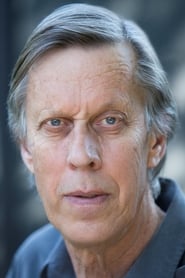
George Miller AO is an Australian filmmaker whose career has spent four decades refusing to stay in one lane — and that's exactly what makes him worth paying attention to. Born on 3 March 1945 in Chinchilla, Queensland (TMDB), he trained as a medical doctor before cinema pulled him away from medicine entirely, a biographical detail that probably explains more about his work than most critics acknowledge. He's best known globally for the Mad Max franchise, which he launched in 1979 on what amounted to a shoestring budget and eventually grew into one of the most visually influential action series ever made.
About George Miller
George Miller AO is an Australian filmmaker whose career has spent four decades refusing to stay in one lane — and that's exactly what makes him worth paying attention to. Born on 3 March 1945 in Chinchilla, Queensland (TMDB), he trained as a medical doctor before cinema pulled him away from medicine entirely, a biographical detail that probably explains more about his work than most critics acknowledge. He's best known globally for the Mad Max franchise, which he launched in 1979 on what amounted to a shoestring budget and eventually grew into one of the most visually influential action series ever made.
What's striking is how consistently Miller has refused the comfort of a signature genre. The same filmmaker who built a post-apocalyptic road mythology also co-wrote and produced the family film Babe (1995), directed the dark fantasy The Witches of Eastwick (1987), and won the Academy Award for Best Animated Feature for Happy Feet (2006) (Wikipedia). That's not a career arc — that's a series of deliberate left turns. His return to Mad Max with Fury Road in 2015 earned him a nomination for the Academy Award for Best Director, and the film itself took home six Oscars (Wikipedia). He was 70 years old when it came out. Still the most kinetic action film of that decade.
His most recent directorial work, Furiosa: A Mad Max Saga (2024), extended the franchise further, suggesting Miller isn't finished with that world yet (TMDB). Hard to say if he ever will be. Co-founder of production houses Kennedy Miller Mitchell and Dr. D Studios (Wikipedia), he remains one of the few filmmakers whose next project — whatever it turns out to be — genuinely can't be predicted from the last one.
Currently streaming
5 of 19 on platformsEarly life & background
George Miller was born on 3 March 1945 in Chinchilla, Queensland, Australia (TMDB). Before he ever stepped onto a film set, he completed a medical degree at the University of New South Wales and worked as a physician for several years (Wikipedia). That path into filmmaking — through medicine rather than through film school — is an unusual one, and it's tempting to read it into the clinical precision of some of his more visceral sequences. Beyond his medical training and regional Australian upbringing, detailed facts about his early family life aren't widely documented in available sources. His younger brother Bill Miller has worked as a producer on his later films (Wikipedia), which suggests filmmaking became something of a family endeavor over time.
Career
Personal life
Miller's producing partner Byron Kennedy died before Miller's later films were made; since Kennedy's death, Miller's younger brother Bill Miller and Doug Mitchell have served as producers on his projects (Wikipedia). He is a co-founder of the production companies Kennedy Miller Mitchell — formerly Kennedy Miller — and Dr. D Studios (Wikipedia). Specific details about Miller's spouse, children, or current residence aren't confirmed in available sources and have been omitted here to avoid inaccuracy.
Cite this page
For Wikipedia, journalism, or academic references — copy the citation below:
Movie OTT. "George Miller." Accessed Sep 17, 2026. https://movieott.com/talent/george-millerCross-references: Wikipedia
Last updated June 30, 2026 · Sources: tmdb+wikipedia+tmdb-credits+ai-claude
Filmography

Furiosa: A Mad Max Saga
2024 · Director
Hideo Kojima: Connecting Worlds
2023 · Self
Three Thousand Years of Longing
2022 · Director
Going Mad: The Battle of Fury Road
2017 · Self

The Madness of Max
2015 · Self
Mad Max: Fury Road
2015 · Director

Happy Feet Two
2011 · Director, Writer

Happy Feet
2006 · Producer, Director
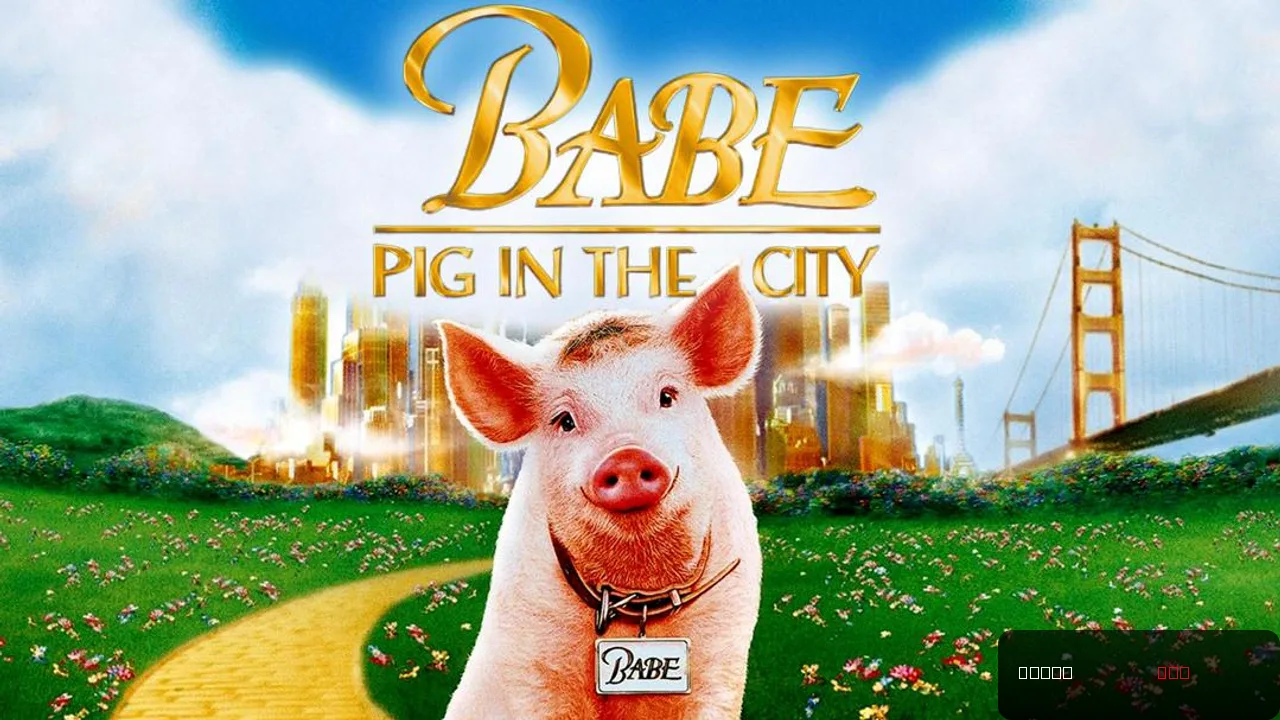
Babe: Pig in the City
1998 · Director
40,000 Years of Dreaming
1996 · Self - Host / Narrator, Writer
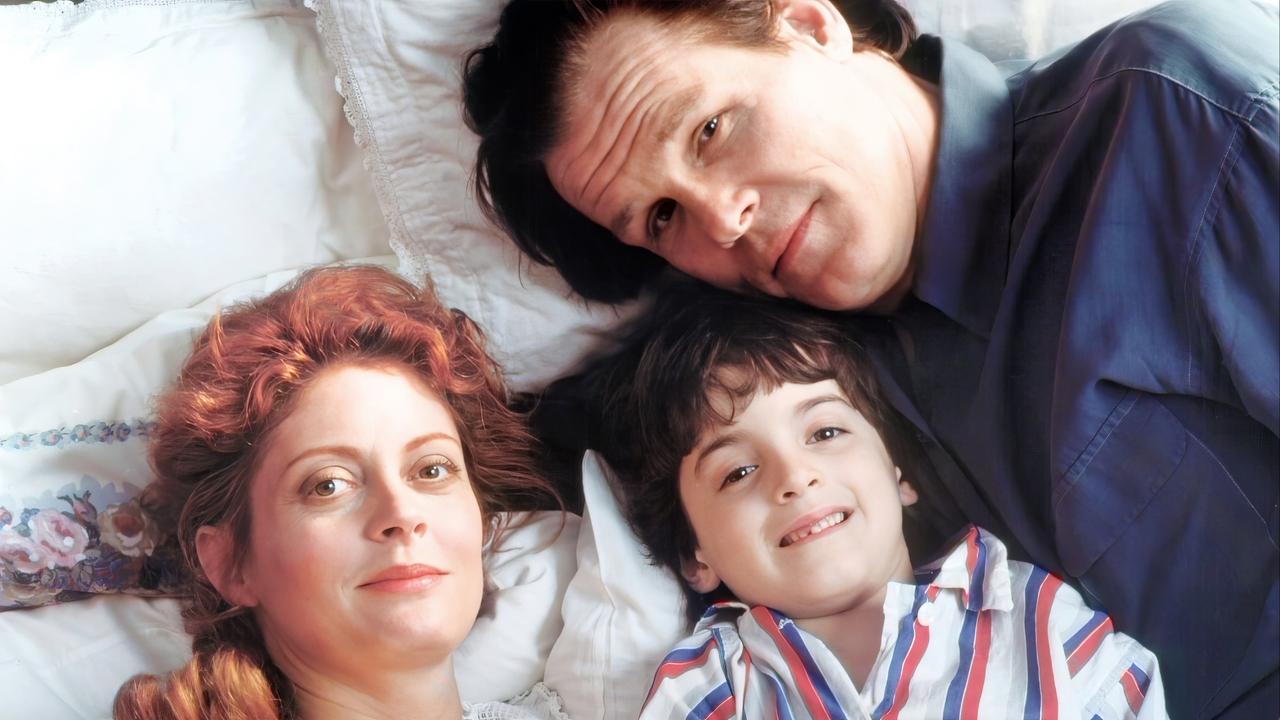
Lorenzo's Oil
1992 · Director, Producer
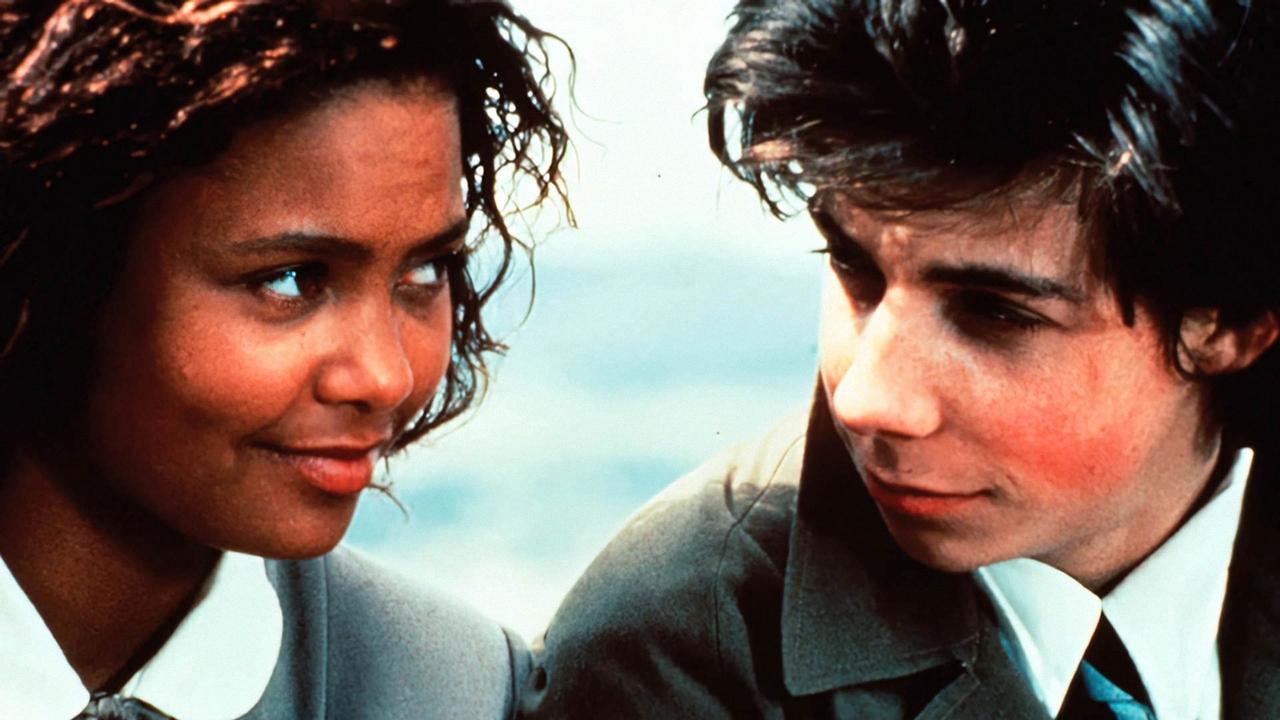
Flirting
1991 · Producer
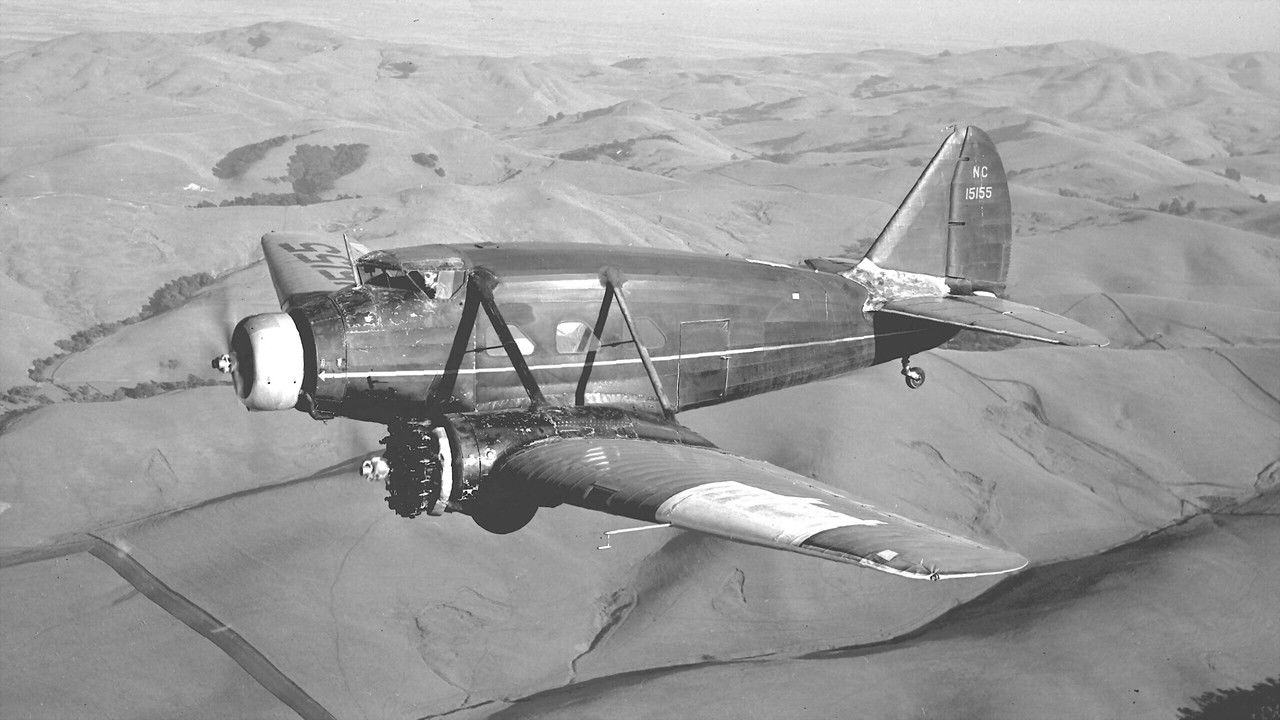
The Riddle of the Stinson
1988 · Producer
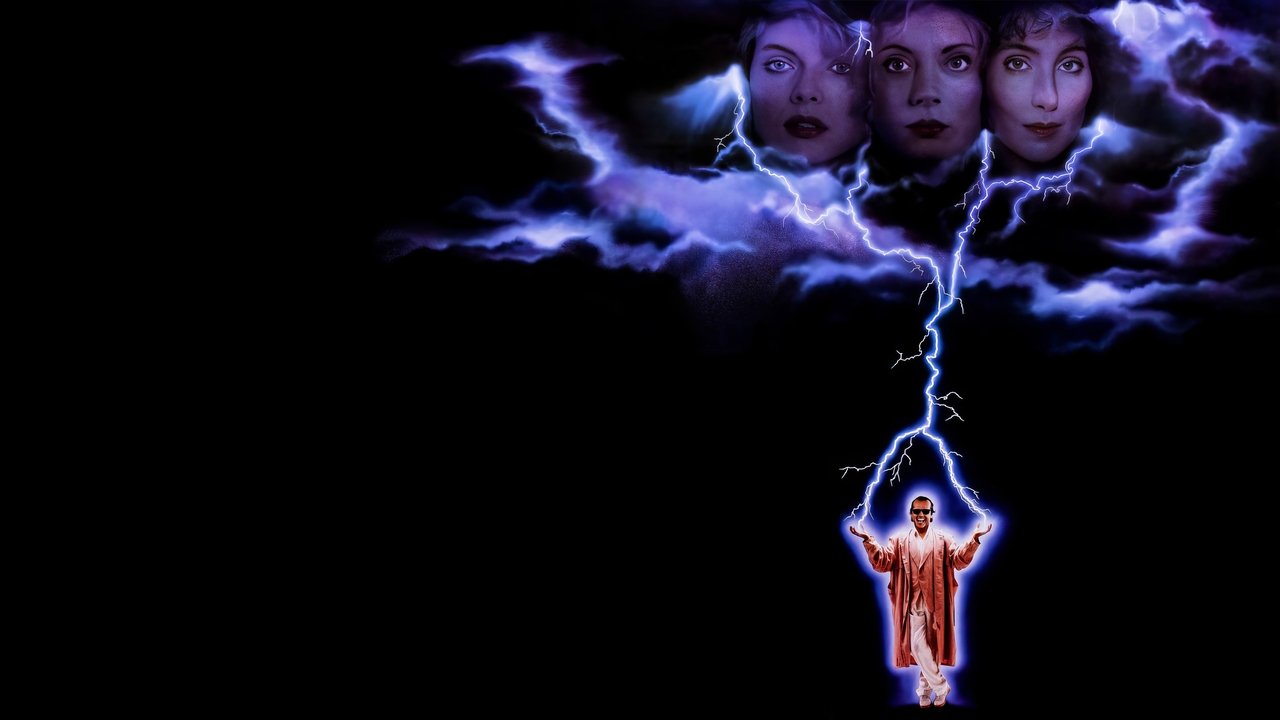
The Witches of Eastwick
1987 · Director
The Year My Voice Broke
1987 · Producer

Mad Max Beyond Thunderdome
1985 · Director, Producer
Twilight Zone: The Movie
1983 · Producer
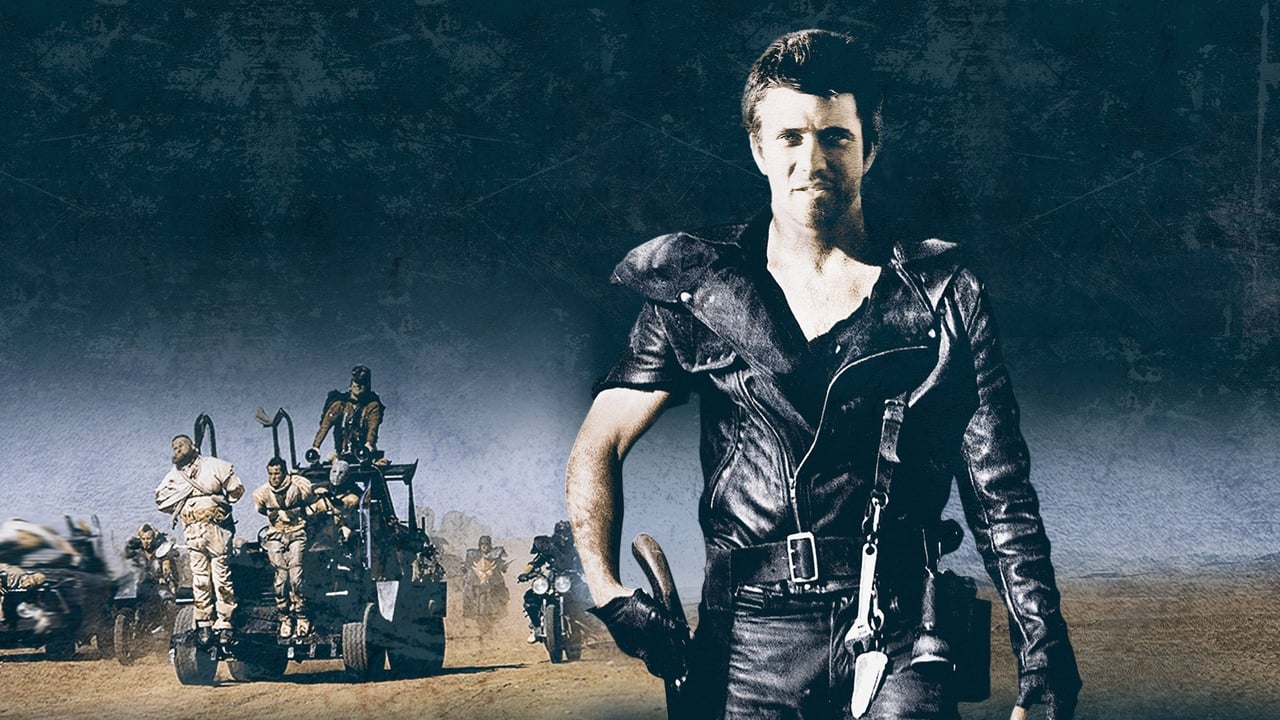
Mad Max 2
1981 · Director
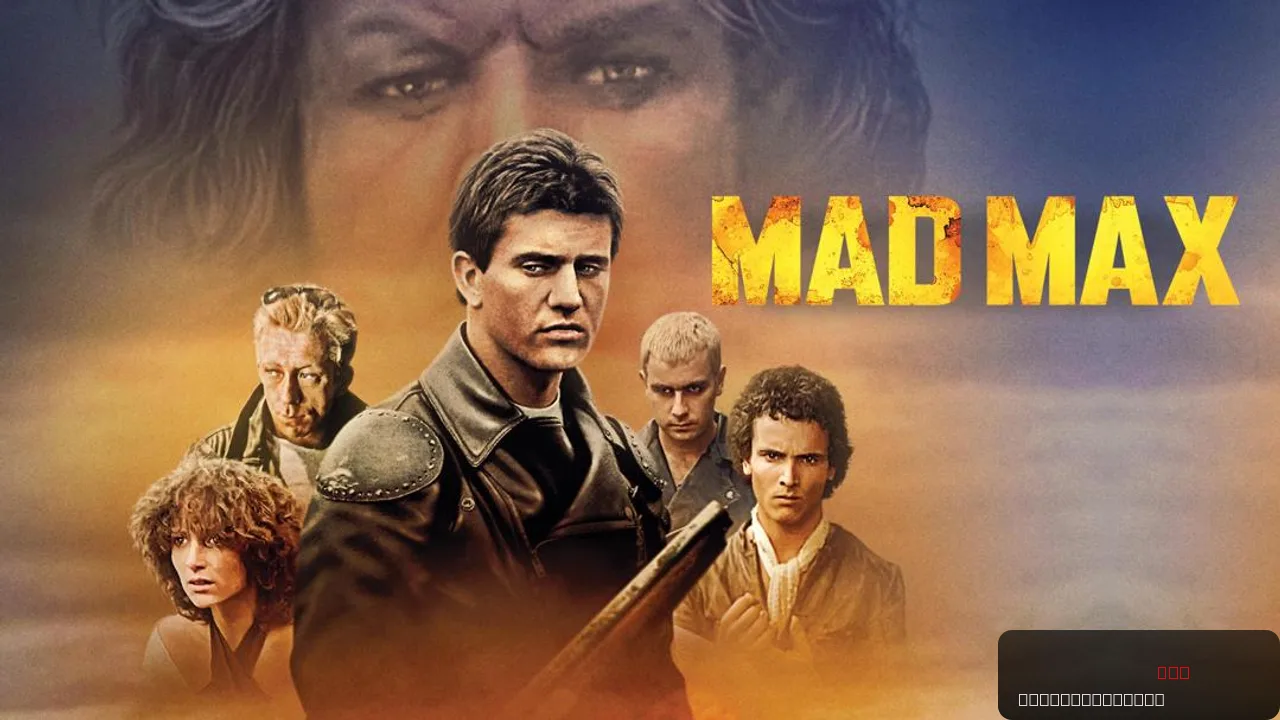
Mad Max
1979 · Director
Frequently asked questions
When and where was George Miller born?
George Miller was born 1945-03-03 in Chinchilla, Queensland, Australia.
What films is George Miller known for?
George Miller has 19 titles indexed on Movie OTT, including Furiosa: A Mad Max Saga, Hideo Kojima: Connecting Worlds, Three Thousand Years of Longing.
Where can I watch George Miller's films?
5 of George Miller's films are currently streaming, available on Netflix, Prime Video.
Has George Miller directed any films?
Yes — George Miller has 12 directorial credits indexed on Movie OTT.
How long has George Miller been active?
George Miller's film career on Movie OTT spans from 1979 to 2024 — 45 years of work.