






The Story of Happy Feet
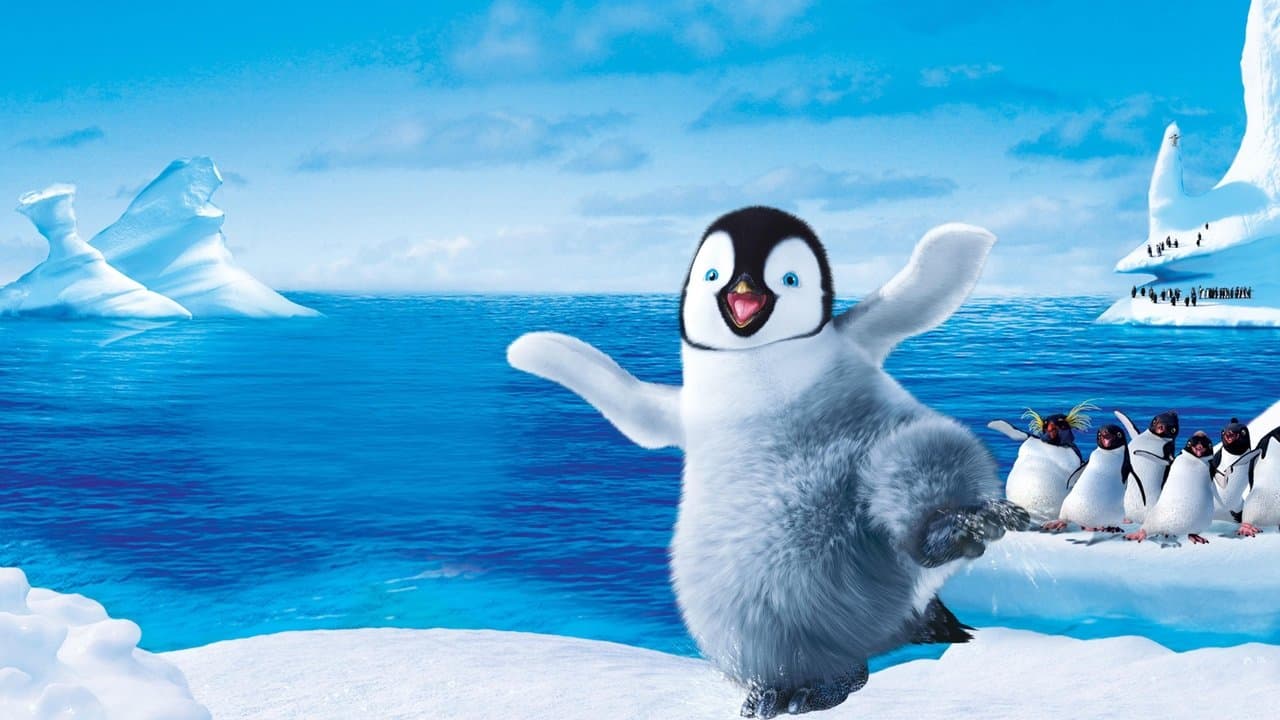
Into the world of Emperor Penguins—where every penguin finds their soulmate through song—comes Mumble, a penguin born completely tone-deaf. While his peers croon their heartsongs to attract mates, Mumble can't carry a tune in a bucket. What he can do is tap dance. Furiously. His inability to sing makes him an outcast in his own colony, ridiculed by family and peers alike, but when Mumble discovers that the fish population around Antarctica is mysteriously declining, he embarks on a journey beyond the ice to uncover the truth. It's a premise that sounds absurd on paper—and that's precisely what makes it work.
Happy Feet isn't your typical animated family film. It's a jukebox musical wrapped inside an environmental parable, all anchored by a protagonist whose greatest gift is also his greatest liability. The film takes that contradiction seriously, even as it winks at the audience with elaborate dance sequences and celebrity voice cameos. Mumble's journey becomes both a personal quest for acceptance and a larger mission to save his species from ecological collapse.
Behind the Making of Happy Feet
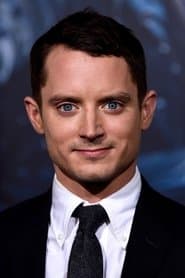
Director George Miller—best known for the Mad Max franchise—brought his signature kinetic energy to this animated feature through Kennedy Miller Productions, Animal Logic, Village Roadshow Pictures, and Warner Bros. Pictures. The film's ensemble cast reads like a who's who of early-2000s Hollywood: Elijah Wood voicing the tap-dancing protagonist, Robin Williams in a dual role, Brittany Murphy, Hugh Jackman, Nicole Kidman, Hugo Weaving, Anthony LaPaglia, and even wildlife expert Steve Irwin in a memorable cameo. That star power alone signals Miller's ambition—this wasn't going to be a small, modest animated comedy.
The 108-minute runtime gave Miller room to develop both the personal drama and the larger environmental storyline without feeling rushed. Written by Miller alongside John Collee, Judy Morris, and Warren Coleman, the script balances humor, heart, and surprisingly heavy themes about climate change and human impact on nature. The film's 2006 release positioned it as a holiday tentpole, and it performed well enough to spawn a franchise—Happy Feet became an established series with sequels following in its wake.
Critically, the film earned a 6.23/10 on IMDb, which tells you something: it's divisive. Some viewers found it charming and inventive; others felt the musical numbers overwhelmed the narrative. What's undeniable is that Miller's visual direction—the penguin choreography, the Antarctic landscapes, the blend of CGI movement and real-world physics—set a high bar for animated musical comedy. The film's technical craft remains impressive even if not every storytelling choice lands.
What Makes Happy Feet Stand Out
What's striking is how the film refuses to let Mumble's tap dancing be a simple fix-it solution. He's still an outsider. He's still struggling. His talent doesn't automatically earn him respect or love—it just makes him different, which in a conformist penguin society is almost worse. That's genuinely complex emotional territory for a family film, and it's why some viewers—like those who've noted the film's darker undercurrents—connect with it on a deeper level than you'd expect from something with "Everybody dance now!" as its tagline.
The voice performances matter too. Elijah Wood brings vulnerability to Mumble without making him whiny; there's a quiet determination beneath the tap shoes. Robin Williams—who voices two characters—gets to do his thing with rapid-fire impressions and ad-libbed comedy, which some find hilarious and others find grating (I keep coming back to that middle ground). Hugh Jackman as a smooth-talking penguin and Nicole Kidman as Mumble's love interest Gloria add star wattage, but it's the script's willingness to make Gloria a fully realized character—not just a love interest to be won—that gives those scenes weight.
The environmental angle, too, sets this apart. Released in 2006, before climate messaging became ubiquitous in family entertainment, Happy Feet actually addresses overfishing and ecological collapse. It's not preachy, exactly, but it's there—woven into the plot rather than tacked on. That's partly why the film has aged better than you might expect. It's not just about a dancing penguin; it's about a world changing in ways that threaten everything.
Where to Stream Happy Feet Online
Happy Feet is available on major OTT services, and Movie OTT tracks current streaming availability across all platforms so you don't have to hunt. The film pops up regularly on the major services—it's a catalog staple that studios rotate through their licensing agreements. Rather than listing every possible platform here (they shift monthly), the Where-to-Watch widget at the top of this page shows you exactly where you can stream it right now in your region. If you're planning a family viewing night or just want to revisit this weird, wonderful film, check that widget first—it's the fastest way to find out whether it's on Netflix, Prime, or whichever service you're already subscribed to.
Frequently Asked Questions
Q: Who directed Happy Feet?
George Miller, the visionary behind the Mad Max franchise, directed and produced Happy Feet. He brought his signature kinetic visual style to animation, making the penguin choreography feel dynamic and urgent in a way few animated films attempt.
Q: Is Happy Feet based on a true story?
No, Happy Feet is an original screenplay, though it does incorporate real environmental concerns about overfishing and climate change affecting Antarctic ecosystems. The tap-dancing penguin premise is pure creative invention.
Q: What's the runtime of Happy Feet?
The film runs 108 minutes, giving it enough time to develop both Mumble's personal journey and the broader ecological storyline without feeling either rushed or bloated.
Q: Who voices Mumble in Happy Feet?
Elijah Wood provides the voice of Mumble, the tap-dancing emperor penguin. The ensemble cast also includes Robin Williams, Hugh Jackman, Nicole Kidman, and Brittany Murphy in major roles.
Q: Is Happy Feet part of a series?
Yes, Happy Feet is part of an established franchise. The original 2006 film spawned sequels, making it a multi-film property rather than a standalone feature.
Q: What genre is Happy Feet?
Happy Feet blends animation, comedy, and family entertainment with musical elements—it's a jukebox musical comedy that doesn't fit neatly into a single category, which is part of its appeal and part of what makes it divisive.
Final Thoughts on Happy Feet
Happy Feet won't be for everyone. If you can't tolerate the musical numbers or find the tonal shifts between comedy and environmental collapse jarring, it's not going to convert you. But if you're open to a film that takes genuine creative risks—that refuses to make things easy for its protagonist, that weaves ecological concerns into a family adventure, that lets a penguin tap dance across Antarctica as a metaphor for being yourself in a world that demands conformity—then there's something here worth experiencing. It's weird. It's ambitious. It's a little messy. It's also oddly unforgettable.