




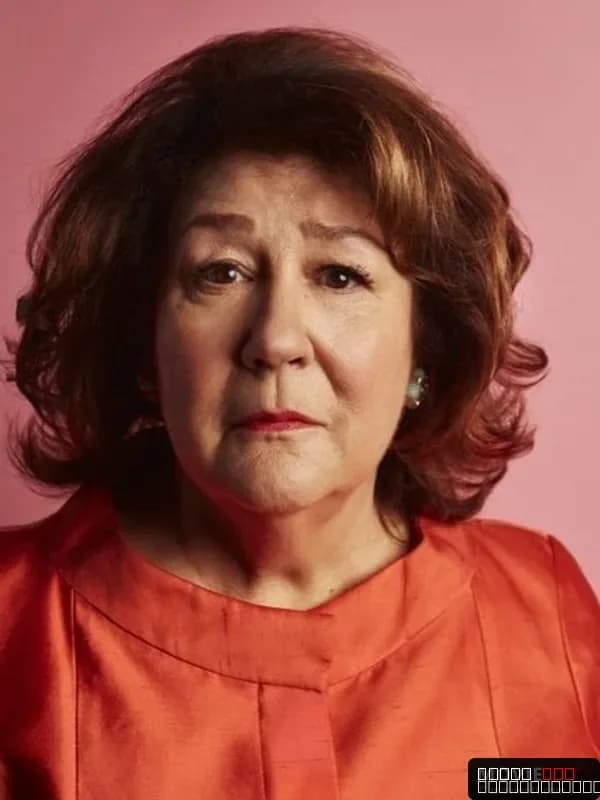
The story of Lorenzo's Oil and a family's desperate mission
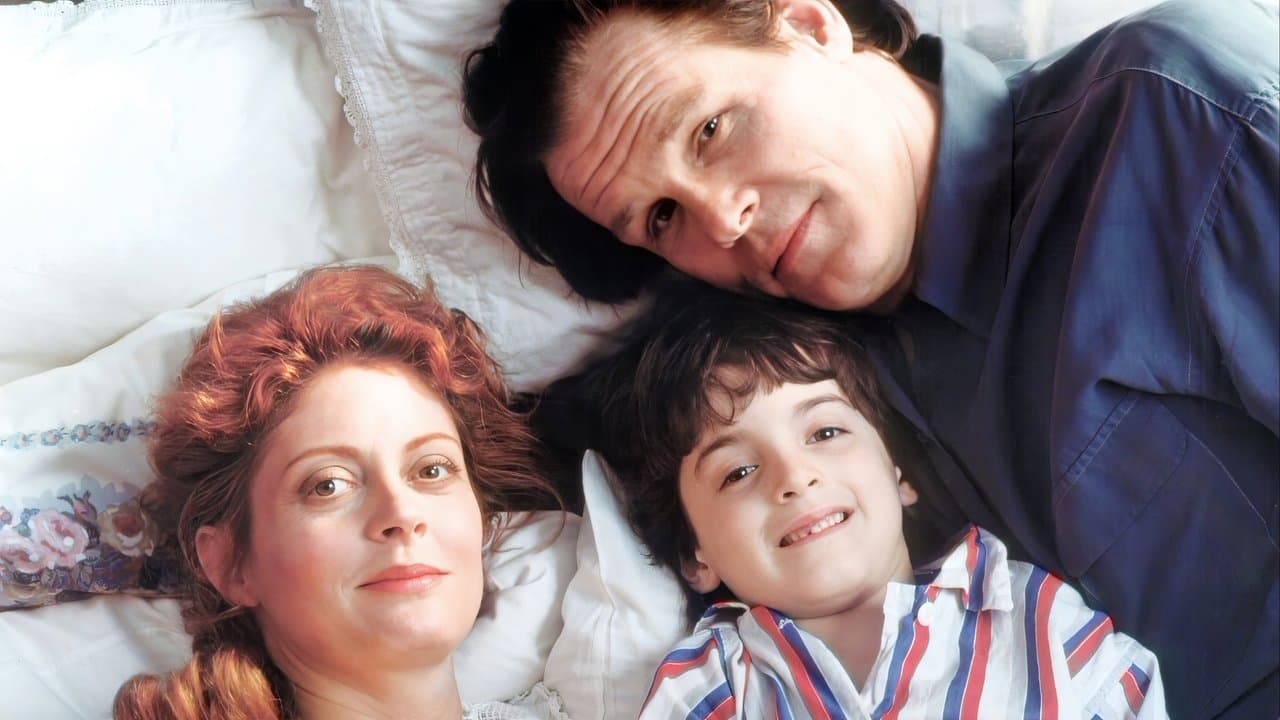
Lorenzo's Oil tells the true story of Augusto and Michaela Odone, whose five-year-old son Lorenzo develops adrenoleukodystrophy (ALD), a degenerative nerve disease so rare that the medical establishment has essentially abandoned any hope of finding a cure. The film doesn't linger on despair, though. Instead, it follows the Odones as they transform themselves into amateur scientists, teaching themselves biochemistry and neurology from scratch in a race against their son's deteriorating condition. What emerges is a portrait of parental determination that refuses to accept the limits of institutional medicine. The tagline says it best: "Some people make their own miracles." This isn't a feel-good fantasy—it's the story of two ordinary people who became extraordinary through sheer necessity.
Behind the making of Lorenzo's Oil and its critical journey
Director George Miller, known for his work in action cinema, took on this deeply personal drama in 1992, co-writing the screenplay with Shawn Slovo. The film was shot primarily in Pittsburgh, Pennsylvania, from September 1991 through February 1992, grounding the story in real locations that echo the Odones' actual struggle. The production brought together a cast anchored by Nick Nolte and Susan Sarandon as the parents—two powerhouse performers at the height of their craft. The film earned seven Academy Award nominations, including Best Actor for Nolte and Best Actress for Sarandon, though it didn't take home the statue in those categories. It did win the Golden Globe for Best Motion Picture—Drama, a recognition of its emotional weight and narrative power. The IMDb rating of 7.1 out of 10 reflects a film that audiences respect deeply, even if it doesn't achieve universal acclaim. At 135 minutes, Miller allows the story to breathe, resisting the urge to compress what's fundamentally a slow-burn investigation into medical science and parental love.
What makes Lorenzo's Oil stand out as a medical drama
What's striking about Lorenzo's Oil is how it refuses to simplify its own story. The film doesn't pretend that passion and determination automatically equal scientific breakthroughs—there's real doubt, real setback, real anger woven through every scene. Nick Nolte's performance captures a man whose marriage strains under the weight of obsession; Susan Sarandon embodies a woman trying to hold together both her family and her sanity while her husband disappears into research. The thing nobody mentions is how unglamorous the actual work looks on screen. There are no eureka moments with orchestral swells. Instead, there's a lot of reading, a lot of phone calls, a lot of rejection from the medical community that sees the Odones as meddling amateurs. And yet—and this is where the film's power lies—they keep going. Miller shoots the laboratory scenes with the same intensity he'd bring to action sequences, making the hunt for answers feel as visceral as any physical struggle. The performances anchor everything; without Nolte and Sarandon's commitment to the emotional truth underneath all the biochemistry, this could've been a dry procedural. Instead, it's genuinely moving.
Where you can stream Lorenzo's Oil right now
Lorenzo's Oil is available across major OTT services, and Movie OTT tracks exactly which platforms currently carry the film in your region—check the "Where to Watch" widget at the top of this page for real-time availability. Streaming rights shift regularly, so if you're planning a viewing, that widget will save you the frustration of searching through three apps only to find it's not there. Whether you're subscribed to the usual suspects or have access through a specialty service, the film's 135-minute runtime is worth carving out an evening for. Movie OTT's aggregator approach means you won't waste time hunting; you'll know instantly where to press play.
Frequently asked questions
Q: Is Lorenzo's Oil based on a true story?
Yes, entirely. The film follows the real-life struggle of Augusto and Michaela Odone, whose son Lorenzo was diagnosed with adrenoleukodystrophy (ALD) in the 1980s. The parents' research led to the development of what became known as "Lorenzo's oil," a dietary treatment that slowed the disease's progression.
Q: Who directed Lorenzo's Oil?
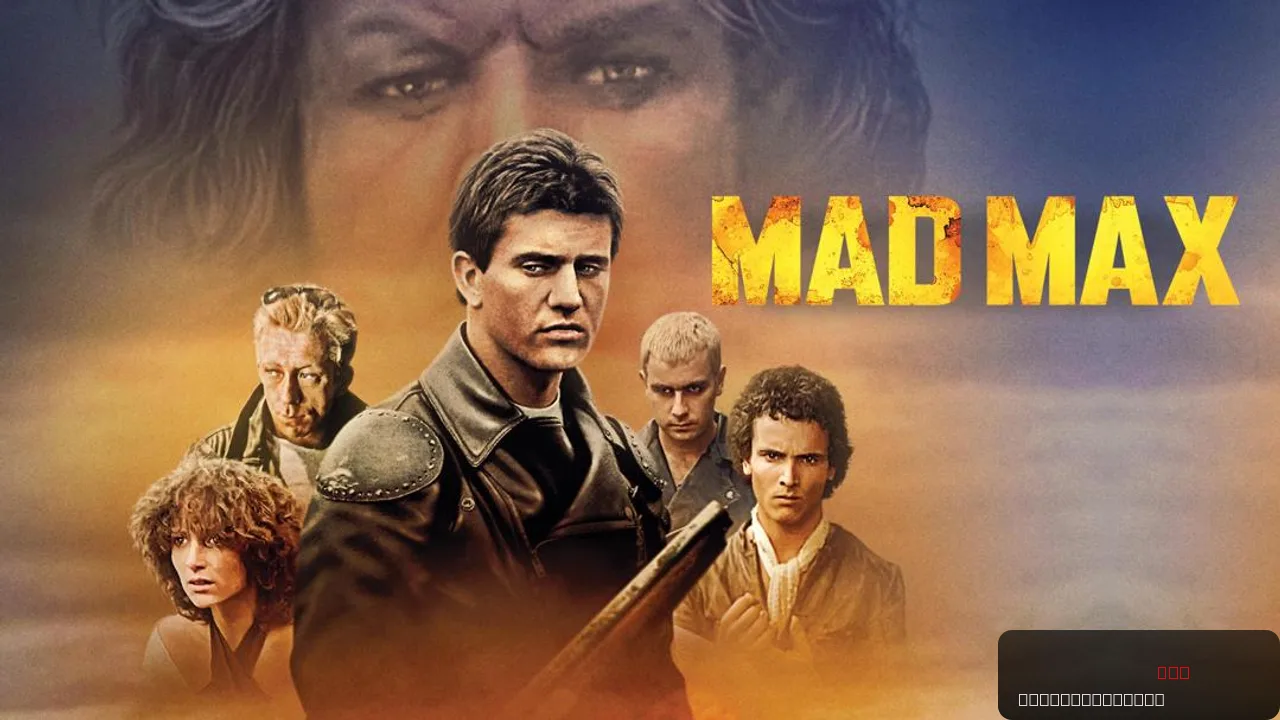
George Miller directed and co-wrote the film alongside Shawn Slovo. Miller is perhaps best known for his work on the Mad Max franchise, but Lorenzo's Oil showcases his ability to handle intimate, character-driven drama with the same precision he brings to action cinema.
Q: What's the runtime of Lorenzo's Oil?
Lorenzo's Oil runs 135 minutes, giving Miller plenty of space to develop both the scientific investigation and the emotional toll on the family without feeling rushed.
Q: Did Lorenzo's Oil win any major awards?
The film earned seven Oscar nominations and won the Golden Globe for Best Motion Picture—Drama. Nick Nolte and Susan Sarandon both received Academy Award nominations for their performances, cementing the film's place in early 1990s prestige cinema.
Q: What disease does Lorenzo have in the film?
Lorenzo suffers from adrenoleukodystrophy (ALD), a rare genetic disorder that damages the myelin sheath surrounding nerve cells, causing progressive neurological deterioration. The rarity of the condition meant virtually no research funding or medical attention was directed toward finding a cure.
Final thoughts on why Lorenzo's Oil still matters
Lorenzo's Oil endures because it captures something true about desperation and determination that doesn't date. Sure, the early 1990s aesthetic creeps in around the edges, but the core story—parents refusing to accept a death sentence, teaching themselves science, fighting institutions that tell them it's impossible—that still hits hard. It's a film about people who couldn't afford to give up, and it doesn't sentimentalize them for it. If you're looking for a drama that respects both its audience's intelligence and their emotional capacity, this one's worth your time.