

The story of Mad Max Beyond Thunderdome
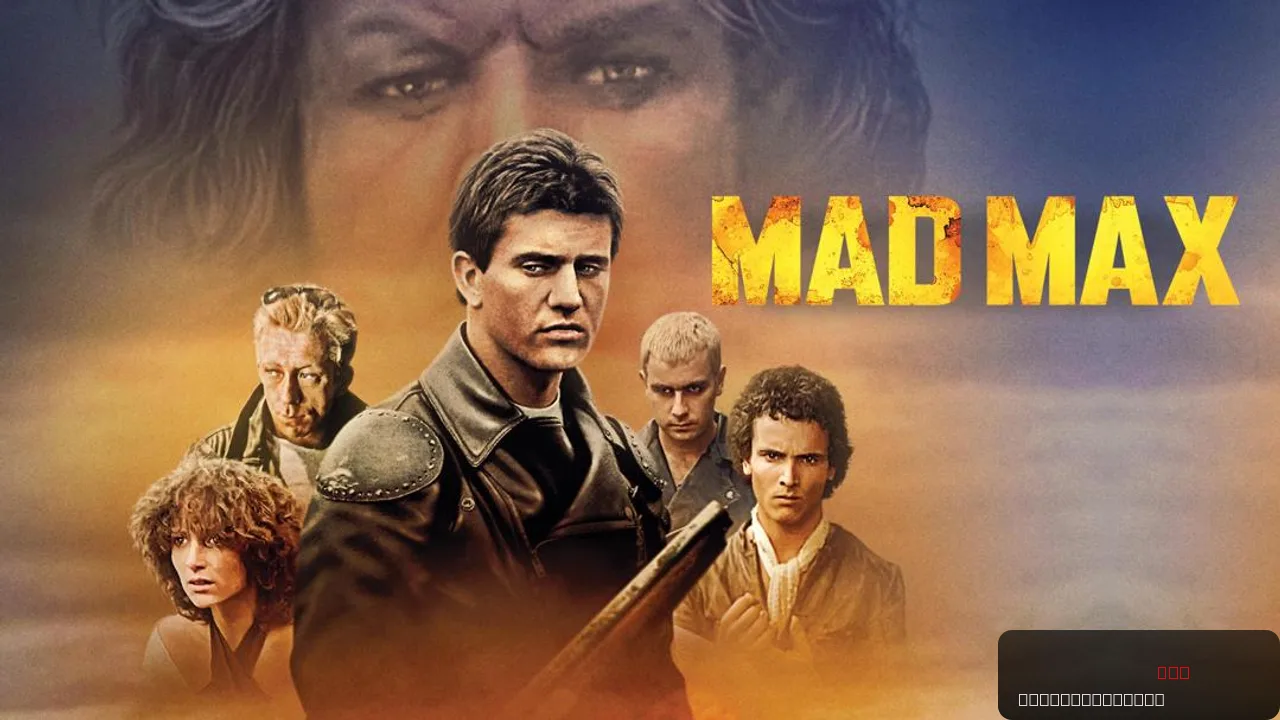
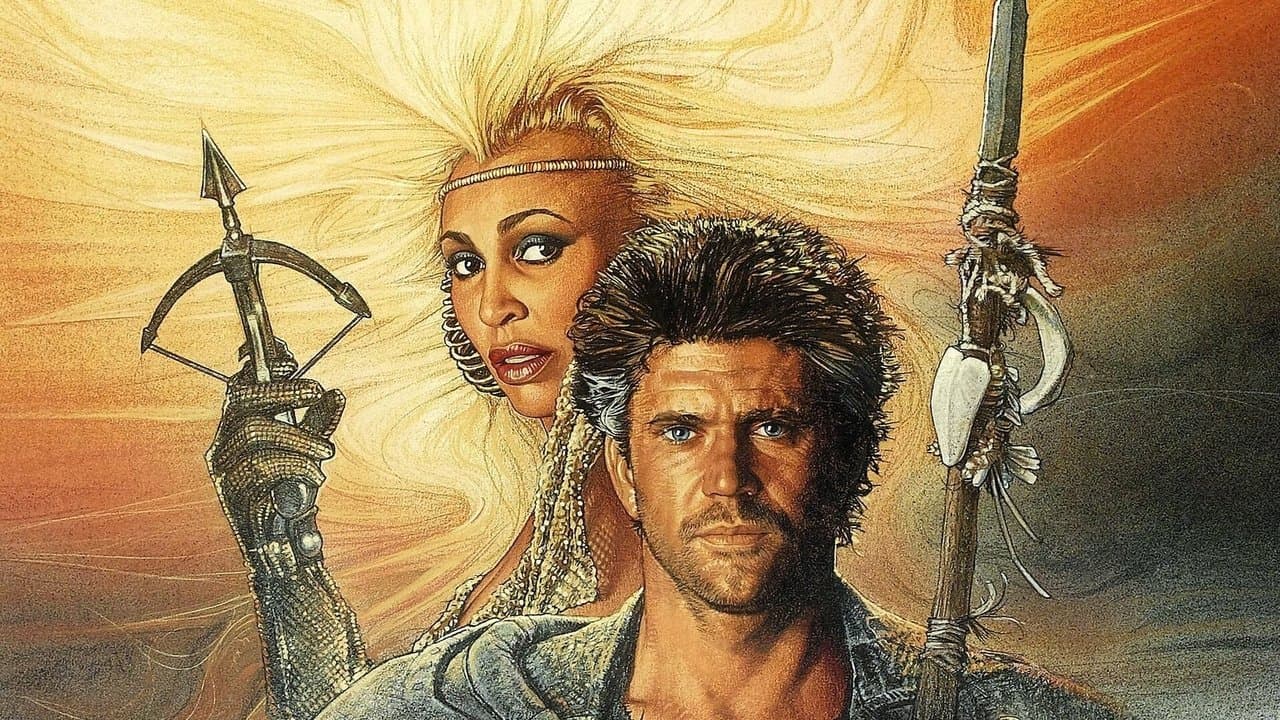
Mad Max Beyond Thunderdome drops us into a world where survival means playing by someone else's rules. Max (Mel Gibson) arrives at Bartertown, a sprawling oasis of commerce and vice buried in the Australian wasteland, only to get caught in a power struggle between the town's ruthless leader Aunty Entity and her mysterious partner. What begins as a simple job—eliminate the competition—spirals into exile, betrayal, and an unlikely alliance with a tribe of feral children who've never known the world before the collapse. The film doesn't follow the lean, brutal formula of its predecessors; instead, it swings for something stranger, more theatrical, almost mythic. By the time Max becomes the reluctant savior of these lost kids, you're either on board with the film's ambitions or you've already checked out.
Behind the making of Mad Max Beyond Thunderdome
George Miller and George Ogilvie co-directed this third installment in 1985, with Miller returning to the franchise he'd created while Ogilvie brought a different sensibility to the second half of production. The writing credit went to Terry Hayes and Miller, who'd already proven themselves with the lean, propulsive Mad Max 2 (1981). What's striking is that Beyond Thunderdome became the only film in the entire franchise to earn a PG-13 rating from the MPAA—a deliberate choice that softened the edge compared to what came before, though it didn't diminish the spectacle.
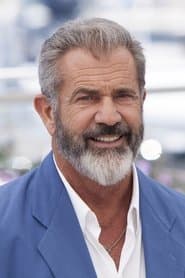
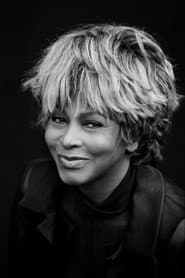
The real casting coup was Tina Turner as Aunty Entity. Billboard later ranked her performance as the 68th best by a musician in a box-office film, which undersells how magnetic she is on screen. She's not playing a villain so much as a force of nature: draped in leather and chrome, she commands every frame she inhabits. Mel Gibson, by then already a major star thanks to the Lethal Weapon franchise, brings a weathered weariness to Max that works even when the script pushes him into melodrama. The production itself was ambitious—Kennedy Miller Productions spared no expense on the set design, creature effects, and the massive Thunderdome arena itself, a structure so visually distinctive that it's become iconic even to people who've never seen the film.
What makes Mad Max Beyond Thunderdome stand out
Here's the thing about this movie—it divides people in ways that matter. Some critics and fans see it as a betrayal of the gritty, visceral tone that made Mad Max 2 legendary. Others argue it's the most daring and imaginative entry in the series, willing to embrace absurdity, camp, and genuine pathos in equal measure. That tension is exactly what makes it worth revisiting.
The performances anchor the whole thing. Tina Turner doesn't just play Aunty Entity; she inhabits her with a swagger and menace that makes you believe she's genuinely terrifying and weirdly charismatic at the same time. Gibson, meanwhile, does some of his best work playing a man stripped of agency—first imprisoned, then exiled, finally thrust into a role he doesn't want. There's a scene late in the film where Max realizes he's become the mythological hero to these children despite himself, and Gibson's face registers something between resignation and heartbreak. It's earned, not sentimental.
What's also worth noting is the film's visual language. It doesn't rely on basic car smashes for the duration, as one viewer noted—instead, the Thunderdome itself becomes the centerpiece, a gladiatorial arena where combat is choreographed like a grotesque ballet. The production design leans into a kind of punk-rock opera aesthetic, all spikes and leather and neon in the desert. It's messy and sometimes cartoonish, sure, but it's intentional messiness. That's different from being sloppy.
Where to stream Mad Max Beyond Thunderdome online
Mad Max Beyond Thunderdome is currently available on major OTT services, and Movie OTT tracks real-time streaming availability so you can find it instantly. The film's 107-minute runtime makes it a manageable watch even on a weeknight, and the production values hold up remarkably well on modern screens—the Thunderdome sequences especially benefit from a good picture quality. Since streaming rights rotate between platforms, the widget at the top of this page will show you exactly where you can access it right now, whether that's on your preferred service or not.
Frequently asked questions
Q: Who directed Mad Max Beyond Thunderdome?
George Miller and George Ogilvie co-directed the film in 1985. Miller, who created the Mad Max franchise, returned to the series while Ogilvie contributed his own directorial vision, particularly in the second half of the film.
Q: Is Mad Max Beyond Thunderdome appropriate for kids?
Yes, it's the only Mad Max film rated PG-13 by the MPAA, making it more family-friendly than the other entries in the franchise. However, there's still violence and some intense sequences, so it depends on your child's age and sensitivity.
Q: What's the deal with Tina Turner in this movie?
Tina Turner plays Aunty Entity, the charismatic and ruthless leader of Bartertown. Her performance is genuinely magnetic and earned recognition from Billboard as one of the best performances by a musician in a box-office film. She's one of the reasons the film works.
Q: How does Mad Max Beyond Thunderdome compare to Mad Max 2?
Mad Max 2 (also called The Road Warrior) is widely considered the best in the series by many critics, but Beyond Thunderdome takes bigger creative risks. It's less focused on pure action and more interested in mythology, performance, and visual spectacle—which makes it either more interesting or more frustrating depending on what you want from a Mad Max film.
Q: Is Mad Max Beyond Thunderdome based on a true story?
No, it's a fictional post-apocalyptic adventure set in a world of Miller and Hayes's creation. The story, characters, and Bartertown are all original inventions designed to explore themes of power, survival, and redemption in a collapsed civilization.
Final thoughts on Mad Max Beyond Thunderdome
Mad Max Beyond Thunderdome doesn't coast on the reputation of its predecessors. It swings for something bigger, weirder, and more ambitious—and yeah, it doesn't always land cleanly. But that willingness to risk failure, to embrace spectacle and emotion alongside action, is exactly what keeps it alive in conversations nearly forty years later. It's the film that refuses to be forgotten, even when people can't quite agree on whether they love it or hate it. That's the mark of something genuinely interesting.