

The story of A Time to Kill and its unflinching moral reckoning
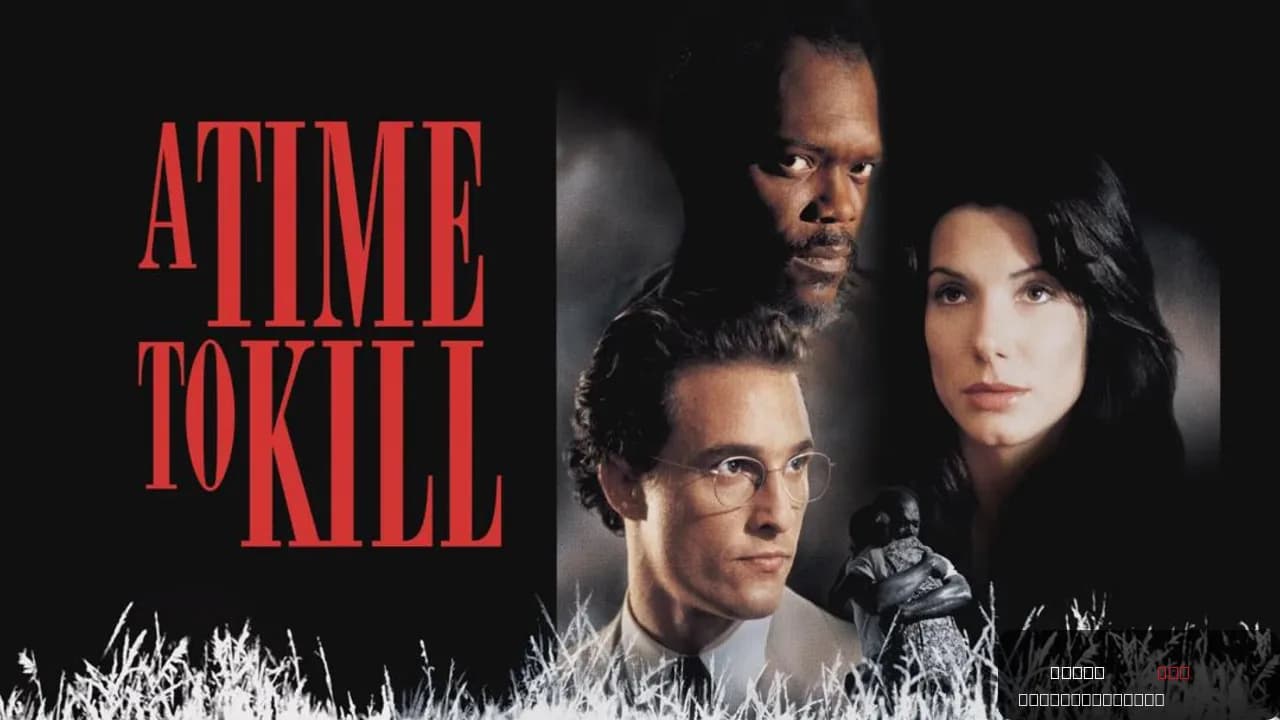
A Time to Kill opens with a scene that never leaves you—the savage assault of a young girl by two white racists in rural Mississippi, followed by her father's calculated revenge inside a courthouse. That father is Carl Lee Hailey (Samuel L. Jackson), and his act of violence sets in motion a legal and moral firestorm that the film doesn't shy away from exploring. The job of defending him falls to Jake Brigance (Matthew McConaughey), a young lawyer in a town where the color of his client's skin matters more than the facts of the case. What unfolds isn't a tidy legal procedural with clear answers—it's a messy, complicated examination of justice, rage, and whether the law can ever truly be blind when it's administered by people drowning in their own prejudices.
The film doesn't linger on the assault itself, but the psychological weight of it hangs over every scene that follows. You feel the daughter's trauma, the father's helplessness, and the impossible position Brigance finds himself in: how do you defend a man who did exactly what he's accused of, in a place where the jury pool has already made up their minds? That's the real tension here. Not whether he did it, but whether a courtroom in the segregated South can ever deliver actual justice.
Behind the making of A Time to Kill and its stellar ensemble cast
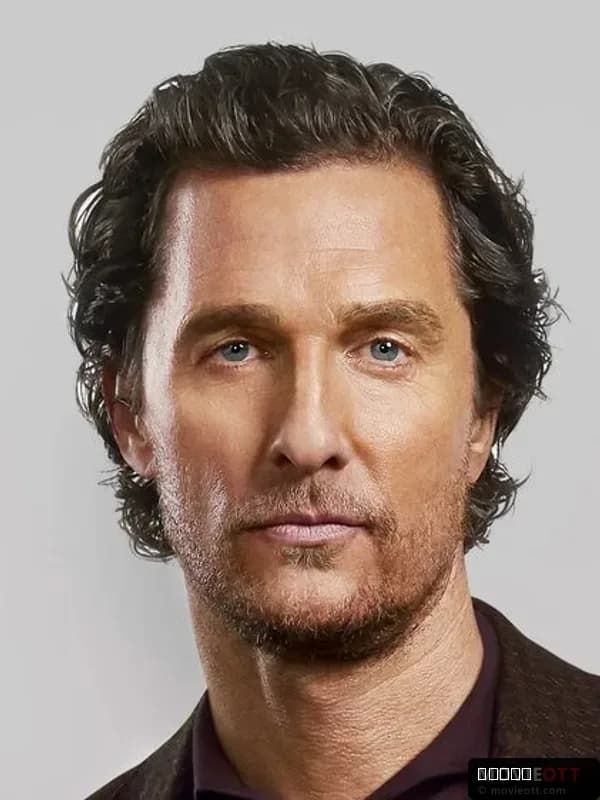
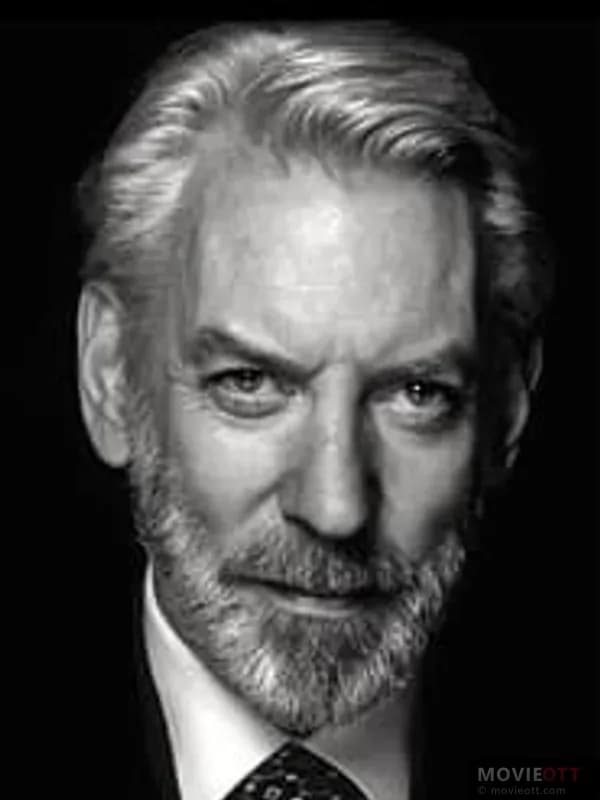
Director Joel Schumacher adapted John Grisham's 1989 novel for the screen, assembling a cast that was frankly stacked for 1996. Matthew McConaughey was still relatively unknown—this role was essentially his breakout, and he carries the film with a quiet intensity that's easy to underestimate. Samuel L. Jackson, already a rising star after Pulp Fiction, brings a coiled fury to Carl Lee that makes you understand the character's desperation without needing to agree with his methods. Sandra Bullock plays Ellen Roark, a law student who becomes Brigance's ally, and her chemistry with McConaughey feels earned rather than forced. Kevin Spacey, fresh off his Oscar win for The Usual Suspects, plays the racist prosecutor with a chilling conviction. The supporting cast includes Donald Sutherland, Oliver Platt, and Ashley Judd, all doing serious work in a film that demanded serious actors.
The film clocks in at 149 minutes, and Schumacher uses nearly every one of them. The pacing is deliberate—this isn't a thriller that rushes to courtroom histrionics. Instead, it builds dread through character work and the mounting sense that the legal system itself is rigged against Brigance's client. The production design captures the oppressive heat and racial tension of Mississippi in ways that feel authentic without being exploitative. What's striking is that this film came out in 1996, when a mainstream American courtroom drama about race and vigilante justice was genuinely risky. It made money and won critical praise, proving there was an audience hungry for stories that didn't offer easy moral comfort.
What makes A Time to Kill stand out among legal dramas
I keep coming back to the central performance by Samuel L. Jackson. He's not playing a hero, and he's not playing a villain—he's playing a man who chose violence, and the film respects that choice enough to interrogate it rather than justify it. McConaughey, meanwhile, carries the film's moral center as Brigance, and what's interesting is that he doesn't play it as a crusader. He's a small-town lawyer doing his job, and the weight of defending an unpopular client in a town that wants blood clearly exhausts him. The thing nobody mentions is how much of this film's power comes from what the characters don't say. There are long silences. Meaningful glances. A scene where Brigance sits alone in his office, and you can see the case eating him alive.
The courtroom scenes themselves avoid the trap that so many legal dramas fall into—they don't feel like speeches designed to make you cry. Instead, they feel like real arguments between people with real stakes. Kevin Spacey's prosecutor isn't a cartoon villain; he's a man who genuinely believes in his case and in the system as it exists. That makes him more dangerous, not less. Sandra Bullock's role could have been thankless—the young idealistic law student who exists mainly to support the male lead—but she's given enough agency and intelligence that she becomes a genuine partner in the defense. The cinematography by Phil Meheux gives the film a slightly washed-out, oppressive look that matches the subject matter. No glossy courtroom drama aesthetics here.
What makes A Time to Kill resonate is its refusal to offer the audience a comfortable moral position. You're asked to sympathize with a man who committed murder, to understand his rage while also reckoning with the fact that his violence, however justified it might feel, perpetuates a cycle. The film doesn't lecture you about this—it just shows you the consequences. When you're looking for thoughtful legal dramas that actually grapple with systemic racism rather than just acknowledging it exists, Movie OTT tracks where these kinds of essential films are currently streaming.
Where to stream A Time to Kill online
A Time to Kill is currently available on Prime Video, where you can rent or purchase it depending on your preference. The streaming landscape shifts regularly, so if you're planning to watch, it's worth checking the Where to Watch widget at the top of this page to confirm current availability and pricing. Movie OTT keeps tabs on where films like this one are available across major streaming platforms, so you don't have to hunt around yourself. The 149-minute runtime means you'll want to set aside a solid evening—this isn't a film you'll want to watch in chunks.
Frequently asked questions
Q: Is A Time to Kill based on a true story?
No, but it's based on John Grisham's 1989 novel of the same name. Grisham drew inspiration from real events and systemic racism in the American South, but the specific story of Carl Lee Hailey and Jake Brigance is fictional. The novel became a bestseller and launched Grisham's career as a legal thriller master.
Q: Who directed A Time to Kill?
Joel Schumacher directed the film in 1996. Schumacher was known for his visual style and his ability to work with ensemble casts—he'd go on to direct the Batman films with Val Kilmer and George Clooney, though A Time to Kill remains one of his most critically respected works.
Q: Was this Matthew McConaughey's first major role?
Essentially, yes. McConaughey had appeared in smaller roles before, but A Time to Kill was his breakout performance. He'd already been cast in Dazed and Confused, but A Time to Kill is where he proved he could carry a serious dramatic film and hold his own opposite established actors like Samuel L. Jackson and Kevin Spacey.
Q: What's the runtime of A Time to Kill?
The film runs 149 minutes (just under two and a half hours), which gives Schumacher plenty of time to build tension and develop his characters without rushing through the courtroom drama or the moral questions at the film's heart.
Q: How did critics respond to A Time to Kill?
The film holds a 7.4/10 rating on IMDb and was well-received by critics at the time. It was praised for its performances, particularly Jackson and McConaughey, and for its willingness to engage seriously with race and the justice system rather than treating them as background details.
Final thoughts on A Time to Kill
A Time to Kill isn't a comfortable watch, and that's exactly why it matters. It's a legal drama that understands the law is only as just as the people administering it, and when those people are shaped by generations of prejudice, the system itself becomes suspect. McConaughey and Jackson deliver career-best performances, and the film's refusal to offer easy answers is what keeps it relevant nearly thirty years later. If you're drawn to serious courtroom dramas that take their moral questions seriously, this one deserves your time.