

The story of The Phantom of the Opera
The Phantom of the Opera isn't your typical haunted-house tale. What unfolds across 141 minutes is a twisted love story set inside the grandeur of the Paris Opera House, where a deformed musical genius lurks beneath the floorboards, pulling strings both literal and emotional. When a young chorus girl named Christine catches his attention, the Phantom becomes obsessed—teaching her, manipulating her, falling for her—while an earnest nobleman named Raoul tries to pull her back to the world above. It's a story about the dangerous allure of passion, the price of obsession, and whether love can exist in the dark. Based on Gaston Leroux's 1910 novel and adapted from Andrew Lloyd Webber's record-breaking stage musical, the 2004 film version brings all that theatrical spectacle to cinematic life without losing the emotional core that made the musical a phenomenon.
Behind the making of The Phantom of the Opera
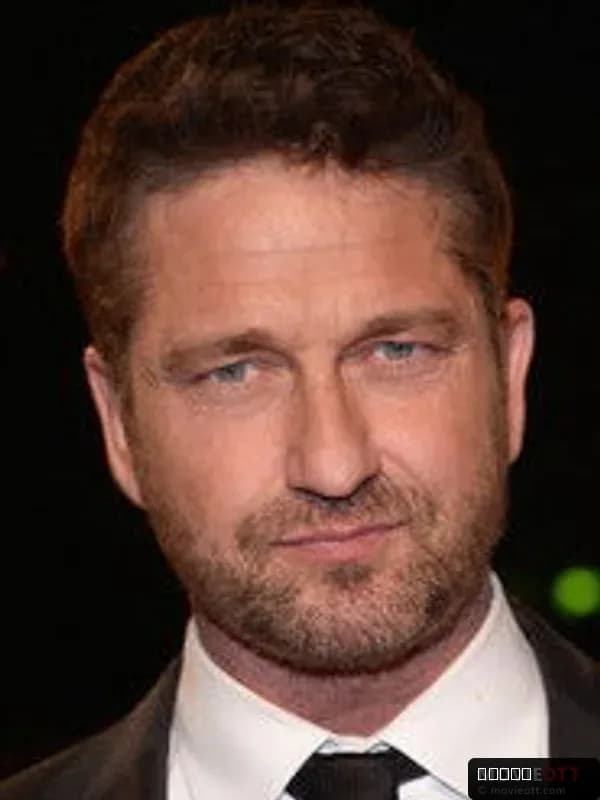
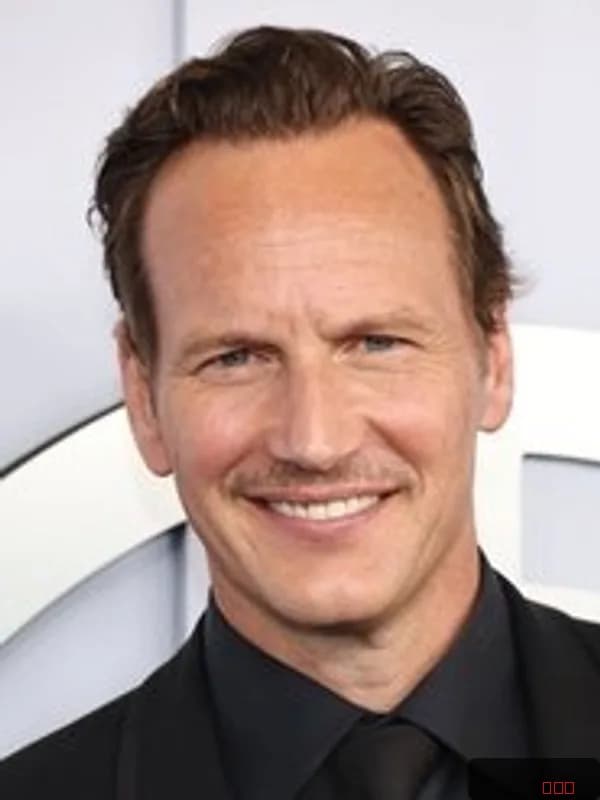
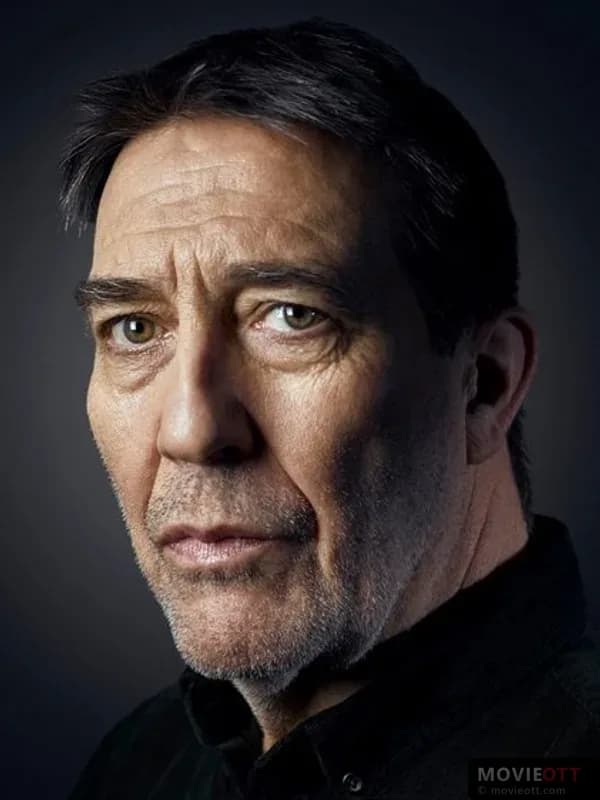
Producer and co-writer Andrew Lloyd Webber didn't just hand over his creation to any director—he partnered with Joel Schumacher, a filmmaker known for his visual ambition and willingness to swing big. That collaboration resulted in a film that cost $70 million to make, a significant investment in 2004 that reflected just how seriously the studio took this property. The cast assembled was genuinely star-studded: Gerard Butler, fresh off supporting roles but not yet a household name, played the title character; Emmy Rossum, then in her early twenties, brought vulnerability to Christine; and Patrick Wilson, already respected from his work in Angels in America on Broadway, took on the role of Raoul. The supporting cast—Miranda Richardson, Minnie Driver, Ciarán Hinds, and Simon Callow—added gravitas and theatrical polish to every scene they touched.
The film earned an IMDb rating of 7.2 out of 10, a solid score that reflects both its strengths and the fact that some viewers found the transition from stage to screen uneven. Lloyd Webber's involvement in the screenplay meant that the film retained the musical's DNA while expanding certain scenes in ways only cinema could allow. The production design and cinematography aimed to capture the gothic romance of the original story while keeping the music front and center—no small feat when you're adapting a property where the score is arguably more famous than the plot.
What makes The Phantom of the Opera stand out
The performances are what anchor this film, honestly. Gerard Butler brings a raw physicality to the Phantom that the stage version sometimes can't quite achieve. You see him move through those opera house passages with genuine menace, but there's also a wounded vulnerability lurking beneath the mask—he's not just a villain, he's a tragic figure, and Butler plays both sides without ever winking at the audience. Emmy Rossum, meanwhile, captures Christine's impossible position: torn between the safe, conventional love Raoul offers and the intoxicating, dangerous pull of the Phantom's musical genius. That's not easy to convey without tipping into melodrama, but she manages it.
What's striking is how the film doesn't shy away from the darker implications of the story. The Phantom isn't redeemed by love; he's consumed by it. The dialogue scenes that some critics found cheesy—and they do exist—actually serve a purpose: they ground us in the emotional stakes between the musical numbers. When "Music of the Night" arrives, you understand why Christine is so drawn to this man, why his world feels seductive. The orchestral arrangements stay faithful to Webber's compositions while the cinematography—all candlelit catacombs and soaring theater boxes—gives visual weight to every note. It's a film that trusts its source material while also recognizing that what works on stage might need adjustment for the screen.
How to stream The Phantom of the Opera online
You can currently stream The Phantom of the Opera on Netflix, making it accessible to subscribers looking for a romantic drama with genuine spectacle. For real-time availability across all platforms, Movie OTT tracks where this title streams in your region, so you can check the Where to Watch widget at the top of this page to confirm it's available on your preferred service. Netflix's streaming quality is solid for a film of this visual caliber—the opera house interiors and the costume design deserve to be seen clearly. If you're planning a viewing, this is one of those films that benefits from a decent screen and good speakers; the music is half the experience, and you'll want to hear it properly.
Frequently asked questions
Q: Is The Phantom of the Opera based on a true story?
No, but it's based on Gaston Leroux's 1910 novel of the same name, which was inspired by real events and legends surrounding the Paris Opera House. The 2004 film adapts both the novel and Andrew Lloyd Webber's 1986 stage musical, which became one of the longest-running shows in Broadway history.
Q: Who directed The Phantom of the Opera 2004?
Joel Schumacher directed the film, with Andrew Lloyd Webber serving as producer and co-writer. Schumacher's visual style brought cinematic grandeur to Webber's musical, expanding certain scenes beyond what the stage production could achieve.
Q: How long is The Phantom of the Opera?
The film runs 141 minutes, giving the story and music plenty of room to breathe without feeling rushed. That runtime allows for both the intimate character moments and the sweeping musical sequences that define the narrative.
Q: What's the IMDb rating for The Phantom of the Opera?
The 2004 film holds a 7.2 out of 10 rating on IMDb, reflecting generally positive reception alongside some mixed opinions about how certain theatrical elements translated to screen.
Q: Where can I watch The Phantom of the Opera?
The film is currently available to stream on Netflix. Check the Where to Watch widget above to confirm availability in your region, or visit Movie OTT for up-to-date streaming information across all platforms.
Final thoughts on The Phantom of the Opera
This film works best if you come to it as a music lover first and a drama enthusiast second. Don't expect a gritty psychological thriller—expect a romantic spectacle where the music does as much storytelling as the dialogue. It's unashamed about its theatrical roots, and that's precisely what makes it work. Whether you're revisiting the stage musical or discovering the story for the first time, the 2004 adaptation delivers on its promise: a visually stunning, emotionally complex take on one of theater's most enduring tales. If you're in the mood for something that swings for the fences and mostly connects, this is worth your time.