The Story of Abby and Its Possession Narrative
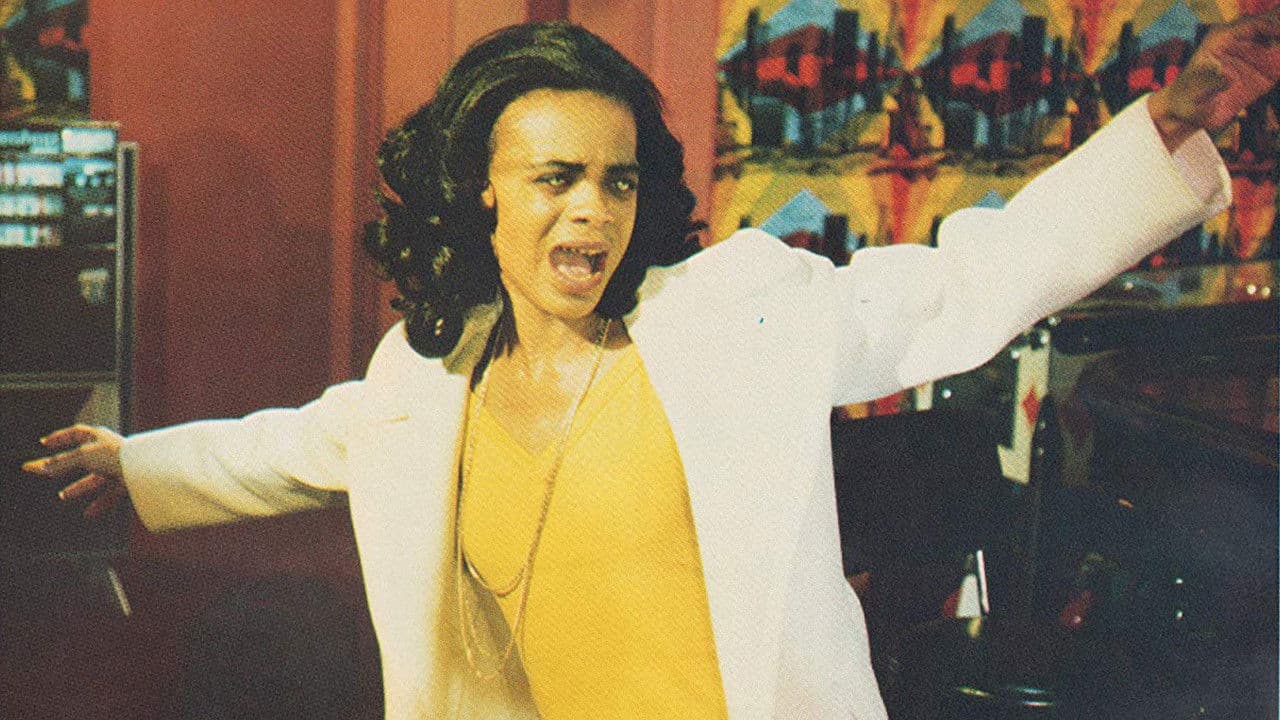
Abby is a 1974 American horror film that takes possession mythology in an unexpected direction. When a minister's wife becomes the unwilling vessel for Eshu, a Yoruba god of sexuality, the film doesn't shy away from the erotic and transgressive implications of that premise. An exorcist is called in to battle the supernatural force, but what unfolds is far messier and more provocative than a standard exorcism narrative. The film's central conflict isn't just spiritual—it's cultural, sexual, and deeply uncomfortable in ways that feel deliberate rather than accidental. What's striking is how Abby uses the possession framework to explore themes that mainstream horror was barely touching in the mid-1970s.
Behind the Making of Abby: Production and Cast
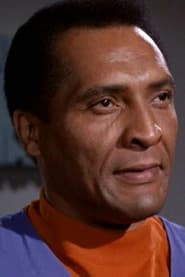
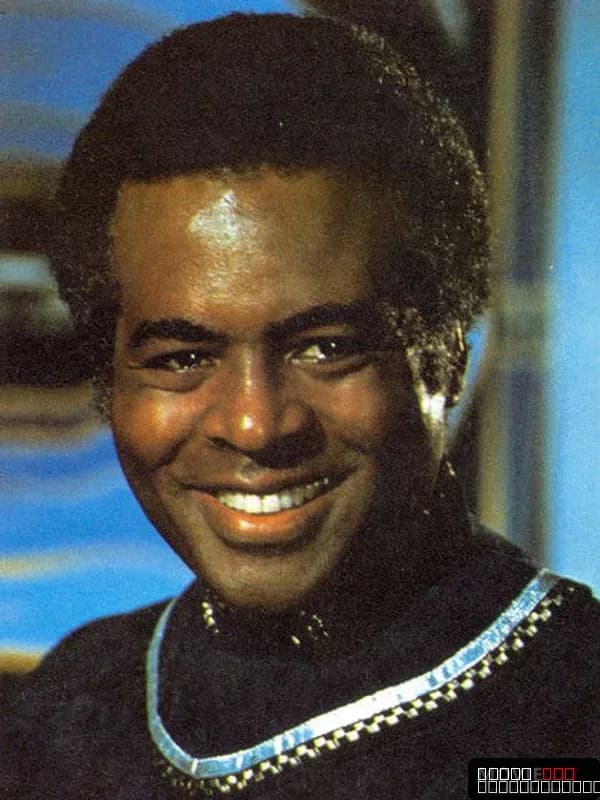
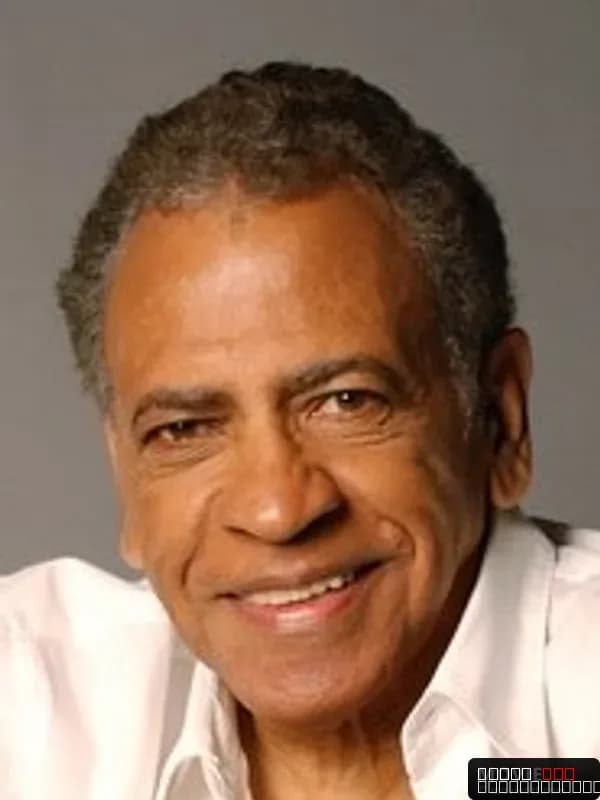
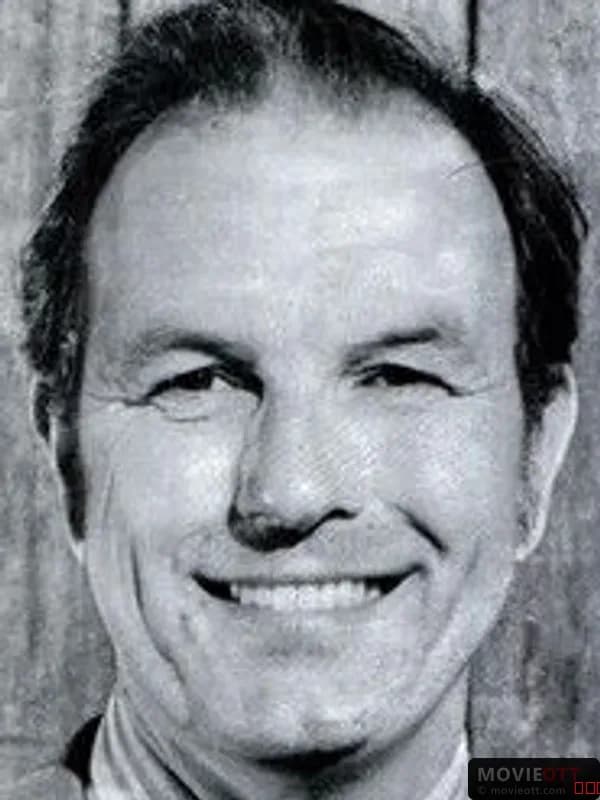
Abby emerged from American International Pictures and Mid-America Pictures, studios known for low-budget genre fare, with William Girdler directing from a story he co-wrote with screenwriter Gordon Cornell Layne. The film stars Carol Speed in the title role, alongside William H. Marshall—best known for his Shakespearean work and later roles in genre films—and Terry Carter. Girdler's involvement is worth noting; he was a prolific director working across horror and action throughout the 1970s, and Abby represents one of his more conceptually ambitious projects. The 89-minute runtime keeps the narrative tight, though the film's modest budget ($500,000 or so, typical for AIP productions) is evident in its visual approach. The film arrived during the height of the blaxploitation era, when African American filmmakers and stars were finally gaining financing and distribution for their own stories—though often filtered through white-run studios with their own commercial interests. On Movie OTT, you can find comprehensive streaming data on where films from this era are currently available, which helps contextualize how these titles have been preserved and circulated over decades.
What Makes Abby Stand Out in 1970s Horror
The performances anchor this film in a way that elevates it beyond its budget constraints. Carol Speed brings real vulnerability to Abby, making the early scenes of her character's possession genuinely unsettling rather than camp. There's a moment early on where she's sitting in church, and you can feel something shifting beneath her composure—it's not obvious, it's not theatrical, it's just wrong. William H. Marshall carries the weight of the exorcist subplot with the gravitas you'd expect from his classical training, which creates an interesting tonal friction with the film's more sensational elements. What's interesting about Abby is that it doesn't entirely work as a traditional horror film, and yet it's fascinating precisely because of its refusal to stay in lane. The film grapples with religious authority, Black spirituality, sexuality, and demonic corruption all at once, which means it's never quite coherent in a mainstream sense—but coherence isn't always what makes a film memorable. The IMDb rating of 5.635/10 reflects mixed critical and audience reception, and honestly, that score probably undersells what the film is attempting. Critics at the time were divided, with some finding it exploitative and others recognizing it as a legitimate attempt to inject cultural specificity into a genre that had traditionally centered white anxieties. Movie OTT tracks ratings and reviews across multiple sources, which can help viewers understand the gap between contemporary dismissal and retrospective appreciation.
How to Watch Abby Online Today
Abby is currently available on major OTT services, making it far more accessible now than it was for decades when it existed primarily in VHS bootlegs and late-night cable airings. The film's availability has improved significantly as streaming platforms have begun acquiring deeper genre catalogs. If you're hunting for where to watch, the Where to Watch widget at the top of this page will show you every platform currently carrying the title, updated in real time. Streaming availability shifts monthly, so checking that widget is always your best bet rather than searching blindly. The film's restoration quality varies by platform, so if you're particular about picture and sound, it's worth sampling a few minutes on whichever service you have access to first.
Frequently asked questions
Q: Who directed Abby and what else has he made?
William Girdler directed Abby in 1974. He was a prolific B-movie director who worked across horror, action, and exploitation genres throughout the 1970s, though his career was cut short when he died in a helicopter crash in 1982 at age 30.
Q: Is Abby based on a true story?
No, Abby is a fictional screenplay written by director William Girdler and screenwriter Gordon Cornell Layne. However, it draws on real Yoruba spiritual traditions and mythology, which gives it cultural grounding even though the narrative itself is original.
Q: What does the tagline "Abby doesn't need a man anymore... the Devil is her lover now!" mean?
The tagline plays on the film's central premise—that Abby's possession by Eshu, a Yoruba deity associated with sexuality, fundamentally transforms her relationship to desire and agency. It's provocative marketing that hints at the film's transgressive approach to both horror and sexuality.
Q: How long is Abby?
The film runs 89 minutes, which is relatively brisk for a possession narrative and keeps the pacing tight throughout.
Q: Why does Abby have such a mixed IMDb rating?
The 5.635/10 rating reflects the film's divisive nature—some viewers see it as exploitative blaxploitation fare, while others recognize it as a genuinely ambitious attempt to blend cultural mythology with horror. Critical reassessment of 1970s genre cinema has been ongoing, and Abby benefits from that broader conversation about what these films were actually trying to do.
Final Thoughts on Abby
Abby isn't a perfect film—it's uneven, sometimes awkwardly paced, and doesn't always know what it wants to be tonally. But it's also fearless in ways that most mainstream horror isn't. The film refuses easy answers about possession, spirituality, or female sexuality, which makes it feel genuinely strange even fifty years later. If you're interested in 1970s horror that takes risks, or in how blaxploitation cinema engaged with supernatural mythology, Abby deserves your attention. It won't be for everyone, but the people it speaks to will find something rare here.