The story of The Zebra Killer
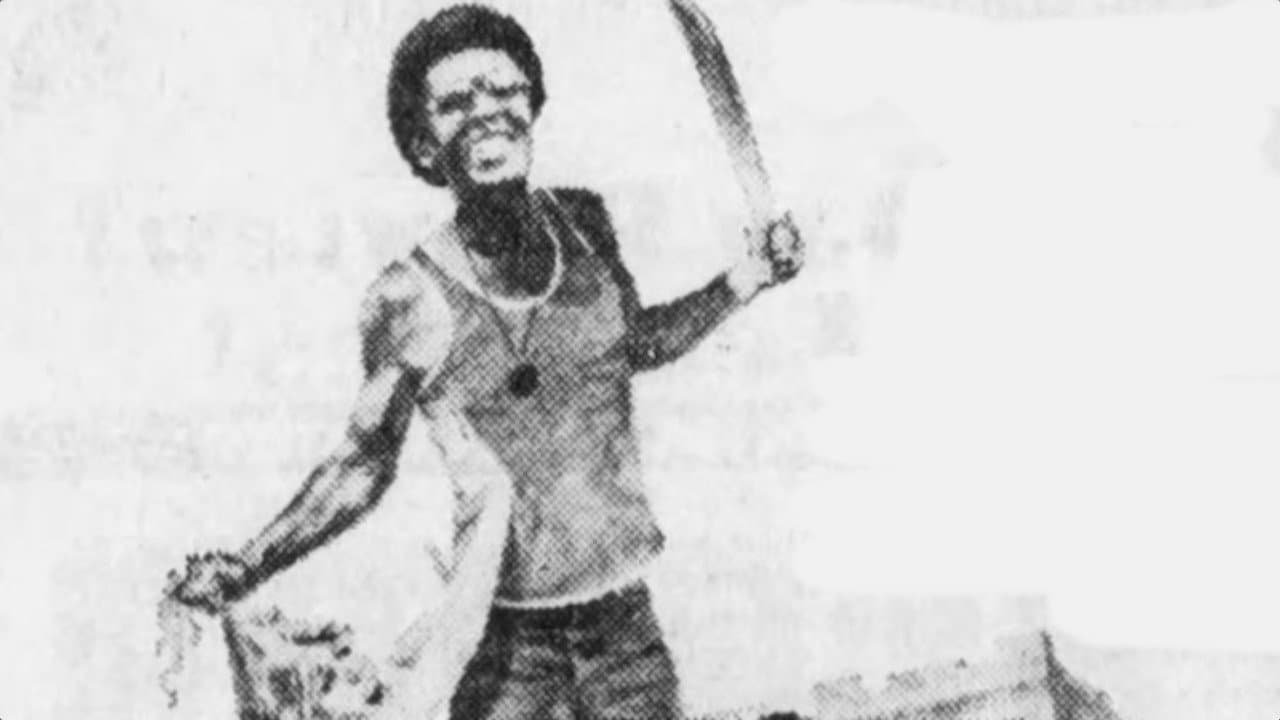
The Zebra Killer opens on a San Francisco gripped by fear. A serial murderer—known only by the nickname "Mac"—is loose in the city, and his methods are as disturbing as his motivation. What makes this killer unique, and what gives the film its inflammatory title, is his grotesque disguise: he commits his murders while wearing blackface makeup and an afro wig, a deliberate racist provocation designed to frame Black residents for his crimes. Police lieutenant Frank Savage, a hard-edged cop who doesn't play by the rulebook, becomes obsessed with stopping him. As the body count rises, Mac begins to communicate with Savage directly, transforming their pursuit into a twisted psychological duel. The killer wants Savage to understand his twisted worldview, wants to be recognized, wants to prove something about himself through violence. It's a high-stakes game where both men are willing to bend—or break—the law to win.
Behind the making of The Zebra Killer
The Zebra Killer emerged from Mid-America Pictures in 1974, a production company known for churning out low-budget exploitation and action fare during the height of the blaxploitation era and its backlash. The film's 92-minute runtime keeps the narrative lean and punchy, refusing to linger on character development in favor of forward momentum. This was the era when American cinema was grappling—often clumsily—with race relations, urban crime, and the limits of law enforcement. The casting and crew choices reflected the B-movie economics of the time: talented but not A-list performers willing to tackle morally murky material. The film arrived in theaters with that official tagline—"Savage and Wilson are Combat Cops! A Hard Way To Live... An Easy Way To Die"—which promised audiences exactly what they'd get: action, violence, and moral ambiguity without apology. While the film didn't generate significant box office returns or awards recognition (it currently holds a 5.0 rating on IMDb), it's become a curious artifact of 1970s crime cinema, the kind of movie that makes film historians squirm and compels them to keep watching anyway.
What makes The Zebra Killer stand out as 1970s exploitation
Honestly, what's most striking about The Zebra Killer isn't whether it works as entertainment—it's that it exists at all, and that it commits so fully to its ugly premise. The film doesn't wink at the audience or distance itself from its central provocation. Instead, it leans into the discomfort. The killer's use of blackface isn't treated as a twist or a shock reveal; it's the entire point, the engine driving both the plot and the moral chaos. That willingness to be genuinely transgressive, rather than safe, gives the film a kind of raw honesty that more polished crime dramas often lack. The cat-and-mouse dynamic between Savage and Mac—where neither man is particularly sympathetic, where both operate outside conventional morality—creates a moral vacuum that refuses easy resolution. There's no redemption arc, no moment where the protagonist learns a lesson. Just two damaged men locked in combat. The performances anchor this discomfort; without actors willing to inhabit these morally compromised roles without apology, the film would collapse into mere sensationalism. Instead, it becomes something weirder and more unsettling: a genuine exploration of how violence corrupts everyone it touches, regardless of whose side of the law they're on. If you're tracking down obscure 1970s crime films on Movie OTT, this one will challenge your assumptions about what "entertainment" means.
Where to stream The Zebra Killer online
The Zebra Killer is currently available on major OTT services, and you can check the "Where to Watch" widget at the top of this page for real-time availability across all platforms in your region. Streaming rights for older exploitation films like this one can shift, so it's worth checking that widget before you settle in—Movie OTT tracks current streaming availability across Netflix, Prime, and other major services to save you the frustration of searching blind. The film's availability may vary depending on your location and your subscription tier, so don't assume it's on your primary service without verifying first.
Frequently asked questions
Q: Is The Zebra Killer based on a true story?
No, The Zebra Killer is a fictional crime thriller. While it was made during an era when real serial killers were making headlines, the character of Mac and the specific plot are inventions of the filmmakers, designed to exploit contemporary anxieties about urban crime and race relations.
Q: Who directed The Zebra Killer?
The film was produced by Mid-America Pictures in 1974, though the director's identity isn't as widely documented as major studio releases from that era. It's one of those B-movies where the crew credits are sometimes harder to pin down than the cast.
Q: What's the runtime of The Zebra Killer?
The film runs 92 minutes, a lean runtime typical of 1970s exploitation cinema that prioritized pacing and action over lengthy character development or subplots.
Q: Why is the film called The Zebra Killer?
The title refers to the killer's deliberate use of blackface and afro disguises—a twisted racial provocation. The "zebra" imagery suggests the contrast between his white identity and his black disguise, making the title itself a commentary on his racist motivation.
Q: How does The Zebra Killer compare to other 1970s crime thrillers?
It's more transgressive and morally murky than most mainstream crime films of the era. Where other cop dramas offered clear heroes and villains, The Zebra Killer refuses that comfort—both protagonist and antagonist are compromised, violent, and driven by ego rather than justice.
Final thoughts on The Zebra Killer
The Zebra Killer isn't a film for everyone. It's deliberately provocative, structurally simple, and morally uninterested in redemption. But that's precisely why it matters. In an era of increasingly sanitized streaming content, there's something to be said for a 1974 exploitation film that refuses to apologize for being ugly and uncomfortable. It's a time capsule of American anxieties about crime, race, and urban decay—flaws and all. If you're the kind of viewer who appreciates cinema that challenges rather than comforts, this one's worth your time.