
The story of Three on a Meathook
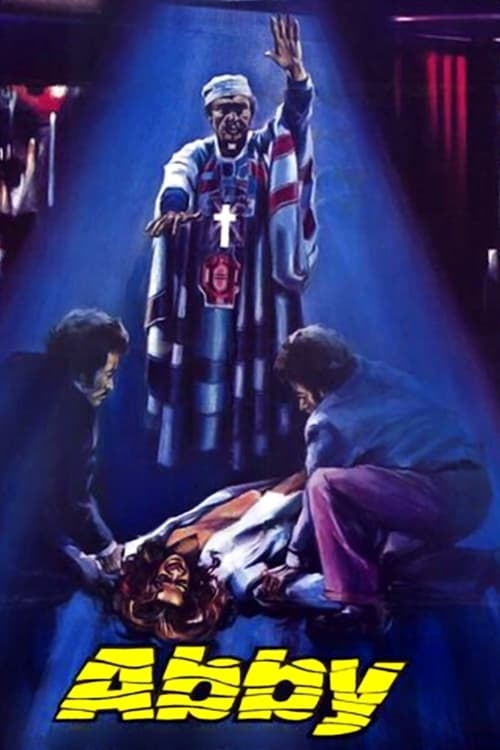
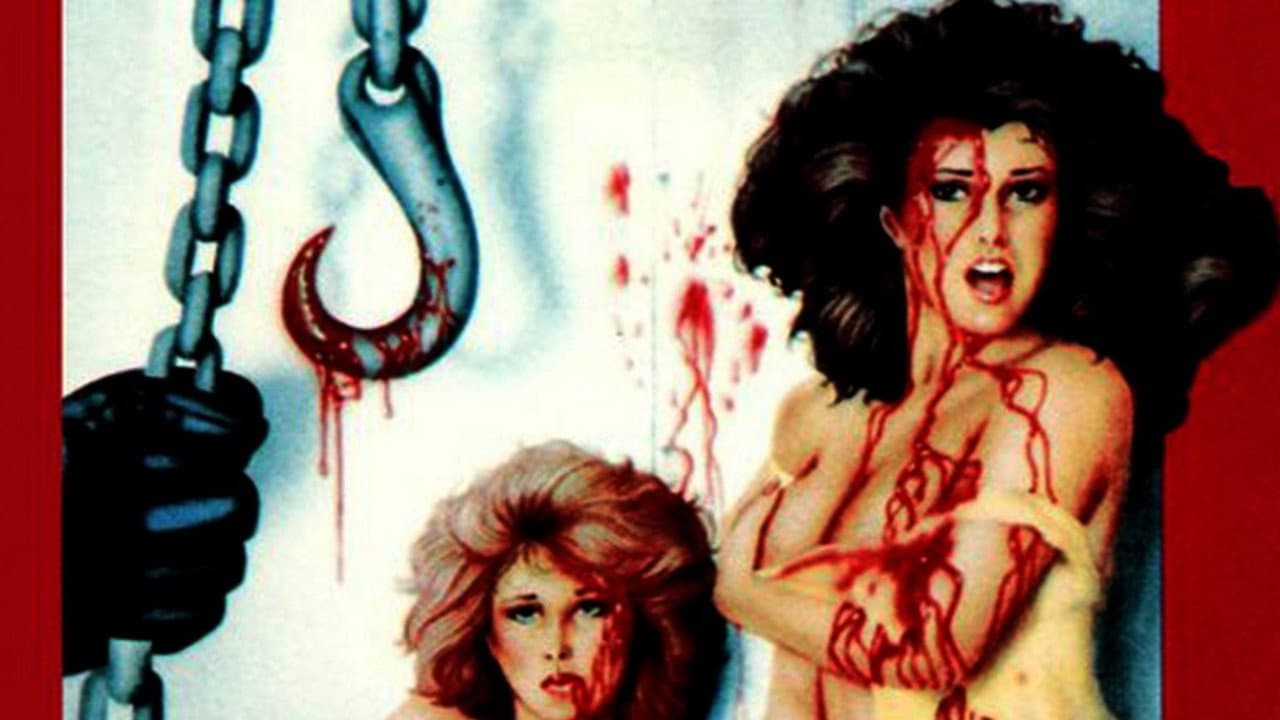
Three on a Meathook opens with a premise that sounds almost mundane—four girls heading out for a romping weekend at a lake—but the film's title alone signals where this is heading. On the drive home, their car breaks down in the middle of nowhere, and a seemingly helpful local boy offers them shelter at his family's farm. What unfolds in that isolated rural setting is something far darker than a simple breakdown story. The father, we learn, has been complicit in his son's crimes before, and when the boy begins to develop genuine feelings for one of the girls, the father grows increasingly anxious about history repeating itself. It's a premise built on dread—the slow-burn terror of being trapped somewhere you can't escape, with people who aren't what they seem.
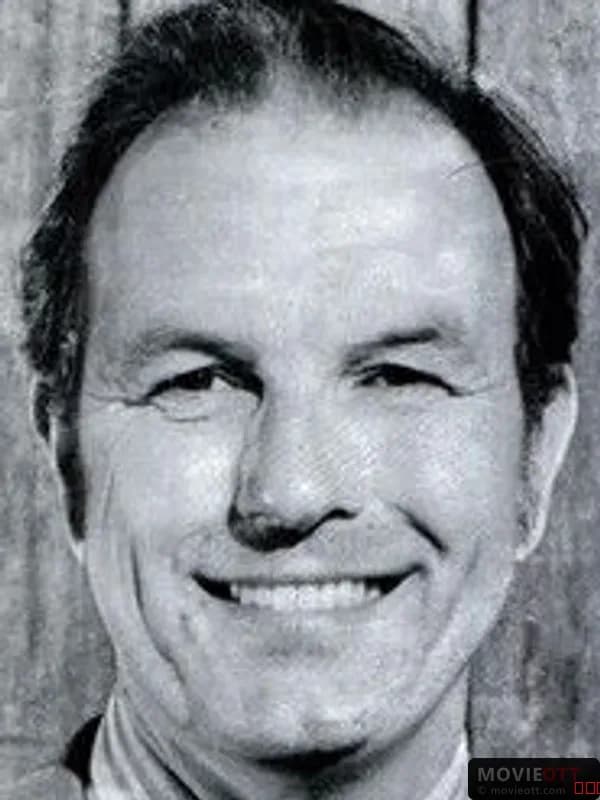
Written and directed by William Girdler, the film doesn't waste time with exposition or character development in the conventional sense. Instead, it thrusts viewers directly into an atmosphere of mounting unease. The 77-minute runtime works in its favor; there's no filler, no subplot that dilutes the central horror. What you're watching is lean, mean, and deliberately uncomfortable. The tagline—"A Padlocked Shed, Hooks of Cold Steel—a Maniac on the loose"—isn't subtle, but it's honest about what the film intends to deliver. This isn't a whodunit. It's a slow descent into the nightmare of being helpless in someone else's domain.
Behind the making of Three on a Meathook
Three on a Meathook arrived in 1972 as an exploitation horror picture, a genre that was thriving in American cinemas during that era. Director William Girdler was working in the low-budget horror space, and the film drew its inspiration—however loosely—from the actual crimes of Ed Gein, the Wisconsin killer whose actions also inspired Psycho and The Texas Chain Saw Massacre. Where those films achieved canonical status, Three on a Meathook remained more obscure, operating in the grittier margins of horror cinema. The production was modest, shot with the kind of raw efficiency that characterizes the best exploitation films of the period. Stars Charles Kissinger and James Pickett anchored the cast, with Sherry Steiner among the ensemble, though none of them went on to major Hollywood careers. That anonymity actually serves the film—there's no star power to soften the edges or provide psychological distance for the viewer.
The film never received major awards recognition or mainstream box-office success, which is hardly surprising given its subject matter and the distribution landscape of the early '70s. It didn't premiere at Sundance or get picked up by a major studio. Instead, it played in grindhouses and drive-ins, the kind of venues where horror fans went to have their comfort zones violated. Today, Movie OTT tracks where films like this have found new life in the streaming era, making obscure horror classics accessible to audiences who might never have caught them in their original theatrical runs. The film's IMDb rating of 3.727/10 reflects its divisive nature—it's not a film designed to please everyone, and it doesn't try to.
What makes Three on a Meathook stand out
What's striking about Three on a Meathook is how it commits to its premise without flinching. There's no moment where the film winks at the audience or breaks tension with a joke. The performances, particularly Kissinger's as the disturbed son, carry a genuine unsettlingness that feels lived-in rather than theatrical. The father-son dynamic—the way the older man has enabled and covered for his son's violence in the past, and now faces the possibility of having to do it again—creates a moral horror that extends beyond the immediate threat. It's not just about a killer; it's about complicity, about how families can become prisons for each other, about the ways evil gets normalized when it's kept behind closed doors.
The film doesn't have the technical polish or narrative sophistication of more celebrated horror pictures. No elaborate kill sequences, no jump scares engineered for maximum effect. Instead, Girdler builds horror through implication and atmosphere—through what you don't see as much as what you do. That padlocked shed mentioned in the tagline becomes a symbol of everything unspeakable happening just beyond the frame. For viewers willing to sit with discomfort rather than demand constant action, there's something genuinely effective happening here. The thing nobody mentions is that exploitation horror, when it works, often works precisely because it refuses to look away or offer easy catharsis. It asks uncomfortable questions about rural isolation, about how close danger can be hiding in plain sight, about the fragility of safety when you're dependent on strangers.
Movie OTT's streaming aggregation service makes it easier than ever to track down films that exist in this gray area—not quite canonical classics, not quite forgotten entirely. Three on a Meathook sits in that space, a film that demands patience and rewards it with genuine unease.
Where to stream Three on a Meathook online
Three on a Meathook is available on major OTT services, and checking the Where to Watch widget at the top of this page will show you exactly which platforms currently carry it in your region. Streaming availability shifts regularly—titles move between services, licensing agreements expire, new platforms acquire catalog depth—so it's worth checking that widget before you settle in to watch. If you're hunting for this particular film, you'll likely find it on platforms that specialize in horror and exploitation cinema, services that understand there's an audience for the weird, the uncomfortable, and the deliberately unpolished. The good news is that obscure horror is increasingly accessible; the bad news is that availability can be spotty depending on where you live.
Frequently asked questions
Q: Is Three on a Meathook based on a true story?
Yes, loosely. The film draws inspiration from the crimes of Ed Gein, a Wisconsin killer whose real-life case has influenced multiple horror films. However, Three on a Meathook isn't a direct dramatization—it uses Gein's crimes as a conceptual starting point rather than a biographical account.
Q: Who directed Three on a Meathook?
William Girdler wrote and directed the film. Girdler worked primarily in low-budget horror and exploitation cinema during the 1970s, bringing a no-frills approach to the material.
Q: What's the runtime of Three on a Meathook?
The film runs 77 minutes, a lean runtime that keeps the narrative tight and the tension sustained without unnecessary subplot distractions.
Q: Where can I watch Three on a Meathook?
The film is available on major streaming platforms. Use the Where to Watch widget on this page to check current availability in your region, as streaming rights vary by location and change over time.
Q: Why is Three on a Meathook rated so low on IMDb?
With an IMDb rating of 3.727/10, the film is divisive. It's a deliberately uncomfortable exploitation horror picture that doesn't aim to entertain in the conventional sense. Viewers seeking conventional scares or polished filmmaking often rate it poorly, while those appreciating its raw approach find more to value in it.
Final thoughts on Three on a Meathook
Three on a Meathook isn't for everyone—that much should be clear from everything said here. It's a film that prioritizes discomfort over entertainment, atmosphere over action. But if you're the kind of viewer who appreciates horror that refuses to look away, that finds terror in implication rather than spectacle, that understands the power of a padlocked shed you never see inside, then this 1972 exploitation picture deserves your attention. It's a reminder that some of the most effective horror comes not from big budgets or famous names, but from filmmakers willing to sit in the dark with genuinely disturbing ideas and follow them wherever they lead.