The story of Aïcha Kandicha: folklore made flesh
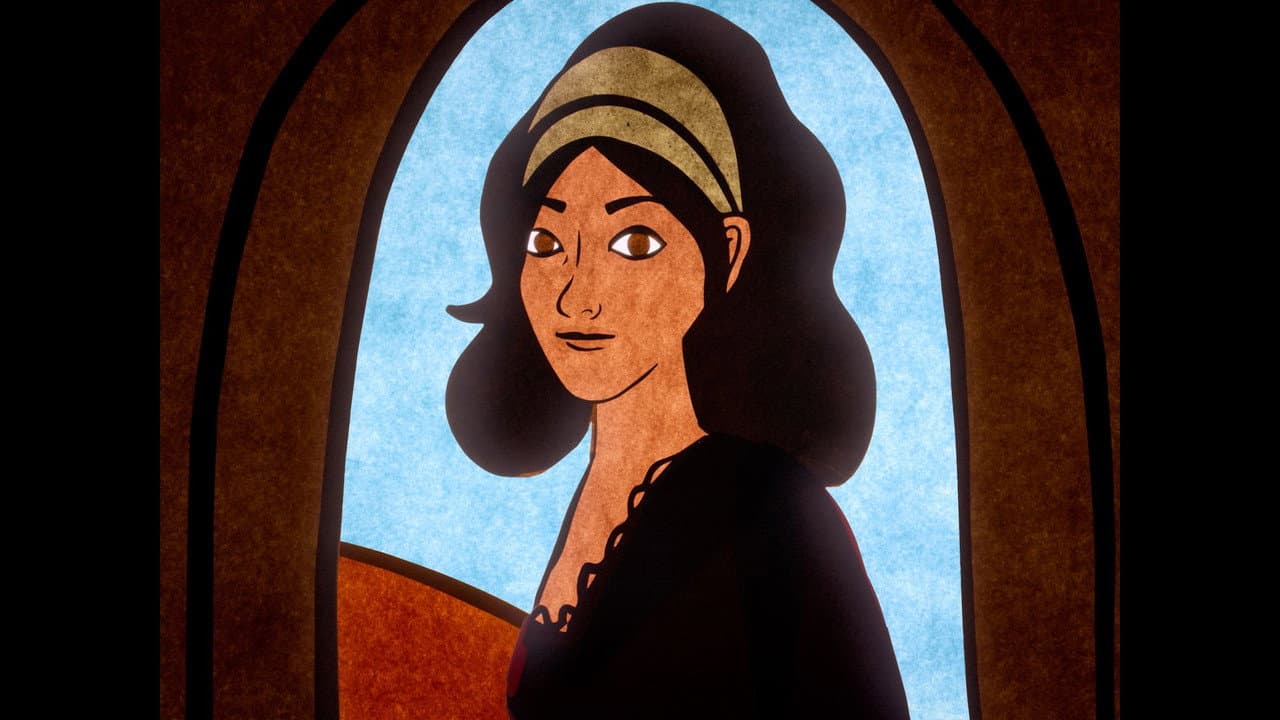
Aïcha Kandicha arrives in 2026 as a drama-fantasy that pulls its gravitational center from one of North Africa's most enduring and genuinely unsettling mythological figures — a spirit whose legend has haunted Moroccan oral tradition for centuries. The film doesn't appear to offer a straightforward retelling. Instead, based on what early listing information suggests, it seems to position the Kandicha myth as a lens through which something more personal, more grounded, plays out. A woman. A reckoning. Some kind of threshold between the living world and whatever waits past it. Hard to say if the film leans into horror territory or keeps things rooted in the psychological, but the genre tags — drama and fantasy — suggest it's after something more interior than spectacular.
How Aïcha Kandicha came together: the school behind the film
Production on Aïcha Kandicha sits with a name that might surprise viewers expecting a traditional studio credit: ÉCOLE NATIONALE SUPÉRIEURE DES ARTS DÉCORATIFS DE PARIS, the storied French institution more commonly associated with visual arts, design, and applied aesthetics than narrative filmmaking. That's not a red flag — it's context. Some of the most formally daring short and mid-length films of the past decade have emerged from European art schools precisely because they're not beholden to commercial pressures. The school's involvement points toward a project that likely prioritizes visual language, texture, and atmosphere over conventional story mechanics.
MUBI currently holds a placeholder entry for the film, confirming it as a 2026 release with cast and crew listed but no synopsis, runtime, or detailed production notes publicly available at the time of writing. That kind of information blackout is common for festival-circuit and arthouse titles that haven't yet had their official premiere moment — the details tend to surface in clusters once a film lands at its first major event. No box office figures exist, which makes sense given the production context. No MPAA rating has been assigned. No Metascore or Rotten Tomatoes consensus has formed yet. What we do know is that the Kandicha myth itself — documented extensively, including on Wikipedia's entry for Aisha Qandicha — is rich enough source material to sustain serious artistic engagement, and filmmakers have been circling it for years.
It's worth being careful here about conflation. A separate Moroccan short film titled Aicha, directed by Sanaa El Alaoui, won Best Short at the IndiexFest Film Festival in February 2026 and received attention for its treatment of grief and ritual — but that is a distinct work, not this film. Similarly, the Durban FilmMart's coverage of another Aicha project explored dance and metaphysics through a Moroccan frame, again separate. The 2026 Aïcha Kandicha stands apart from both.
What makes Aïcha Kandicha worth paying attention to
Honestly, the thing nobody mentions about films like this — school productions that carry serious mythological weight — is how often they outperform expectations precisely because the filmmakers haven't been told what they can't do. There's no studio note asking them to soften the legend. No test screening demanding a cleaner ending. The Kandicha figure herself is genuinely difficult material: a seductive, vengeful spirit said to lure men to their ruin, rooted in pre-Islamic Moroccan belief and layered over centuries with colonial-era anxieties, gender politics, and the particular terror that attaches to female power in patriarchal storytelling traditions.
What's striking is how rarely that figure gets a treatment that doesn't reduce her to pure menace. If Aïcha Kandicha approaches the myth from the inside — from her perspective, or from the perspective of someone who doesn't fear her — that alone would make it worth watching. The drama-fantasy genre pairing is doing real work here. Drama implies interiority, consequence, human cost. Fantasy implies the rules of the real world are suspended, or at least negotiable. Together, they describe a film that probably lives in the space where belief and grief overlap, where a woman can be both person and symbol without the film having to choose.
Movie OTT tracks titles like this across the arthouse and festival pipeline specifically because they tend to disappear from casual discovery — you won't find Aïcha Kandicha trending on a Friday night algorithm. But for viewers who seek out films that do something genuinely different with myth and female identity, this is exactly the kind of title that rewards early attention.
Where to stream Aïcha Kandicha online
Aïcha Kandicha is currently available on major OTT services — and the fastest way to confirm which platform has it in your region right now is to check the Where to Watch widget at the top of this page, which Movie OTT updates in real time as licensing windows open and close. Streaming rights for arthouse and festival titles shift frequently, sometimes by territory, sometimes by month, and a film that's on one platform today may migrate or become exclusive elsewhere within weeks. Movie OTT tracks current streaming availability across services so you don't have to manually check each one. If you're outside a major English-language market, regional availability may vary — again, the widget is your clearest guide.
Frequently asked questions
Q: Where can I watch Aïcha Kandicha?
Aïcha Kandicha is available on major OTT streaming services. Check the Where to Watch widget at the top of this page on movieott.com for live, region-specific availability — streaming rights for arthouse titles can shift quickly.
Q: Who produced Aïcha Kandicha?
The film was produced by ÉCOLE NATIONALE SUPÉRIEURE DES ARTS DÉCORATIFS DE PARIS, a prestigious French art and design institution. Its involvement points toward a visually driven, formally ambitious production rather than a conventional commercial release.
Q: Is Aïcha Kandicha based on a true story or a legend?
The title draws directly from Aisha Qandicha, a figure from Moroccan and broader North African folklore — a spirit associated with seduction, vengeance, and the supernatural. The legend is ancient and well-documented, though the film appears to use it as inspiration rather than strict adaptation.
Q: Is Aïcha Kandicha the same as the 2026 short film Aicha that won at IndiexFest?
No. The IndiexFest-winning short Aicha, directed by Sanaa El Alaoui, is a separate work that won Best Short in February 2026 for its treatment of grief and ritual. Aïcha Kandicha (2026) is a distinct project with different production origins.
Q: What genre is Aïcha Kandicha?
The film is categorized as Drama and Fantasy. That combination suggests a story grounded in emotional and psychological realism but operating within a world where myth, the supernatural, or the symbolic have genuine weight alongside everyday human experience.
Who should watch Aïcha Kandicha
Aïcha Kandicha is built for viewers who don't need a film to explain itself — the kind of audience that finds a legend more interesting when it's complicated rather than resolved. If you're drawn to arthouse cinema that treats folklore as living material rather than costume, or to films that sit with female experience in ways mainstream releases rarely bother to, this one's worth your time. Not a casual Friday watch. Something to sit with. Movie OTT will keep this page updated as critical reception and streaming details emerge, so bookmark it and come back.