
The story of Adam Resurrected
What do you do when you've stared into the abyss and somehow walked back out? That's the question at the heart of Adam Resurrected, Paul Schrader's 2008 drama about a man who shouldn't exist. Based on the 1969 novel by Israeli author Yoram Kaniuk, the film follows Adam Stein, a former circus entertainer who survives a Nazi gas chamber through sheer wit and psychological manipulation. After the war, he finds himself in an Israeli psychiatric hospital, where he becomes an unlikely leader and confidant for other survivors—using performance, humor, and his own fractured psyche to help others find reasons to keep living. It's a story about resurrection that refuses easy answers.
Behind the making of Adam Resurrected
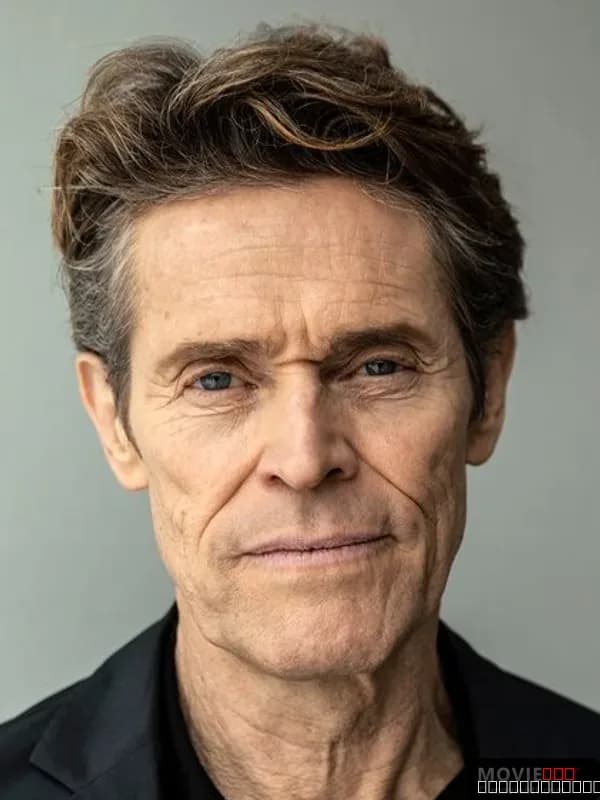
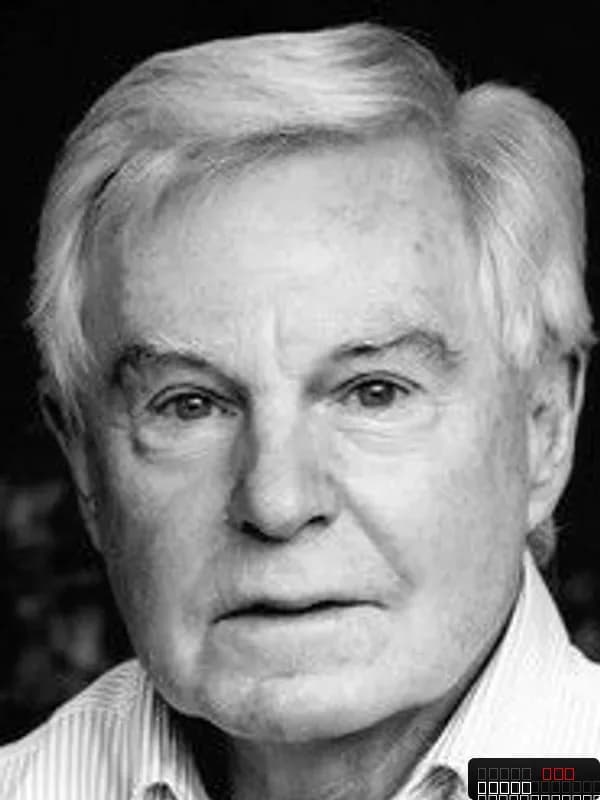
Schrader—the legendary screenwriter behind Taxi Driver and Raging Bull, and director of films like American Gigolo—took on Adam Resurrected as an adaptation of Kaniuk's novel, which had never been translated to screen before. The 1969 source material is a deliberately difficult read, written in fragmented, hallucinatory prose that mirrors its protagonist's fractured mind. Getting it right meant finding a cast willing to inhabit profound psychological damage without flinching. Jeff Goldblum, known for his quirky charm in comedies and sci-fi, plays against type as Stein—all nervous energy and manic performance masking unbearable trauma. Alongside him, Willem Dafoe brings quiet devastation as a fellow survivor, while Derek Jacobi and Ayelet Zurer anchor the ensemble. The production spanned Germany, Israel, and the United States, with a runtime of 106 minutes that never feels padded. The film premiered at festivals and earned modest theatrical distribution, though it didn't become a mainstream box-office success—which tells you something about how audiences respond to art that refuses to comfort them. According to reports at the time, Schrader was drawn to the material precisely because it resists sentimentality. The MPAA rating reflects its unflinching content: this isn't a Holocaust film for the squeamish.
What makes Adam Resurrected stand out
Here's what's striking about this film: it doesn't position its protagonist as a hero. Goldblum's Adam is manipulative, self-serving, and sometimes cruel—a man who survived by becoming a kind of psychological acrobat, reading people and performing whatever version of himself they needed to see. That survival skill, once life-saving in the camps, becomes both his gift and his curse in the asylum. He genuinely helps people, but never without a cost. The supporting cast—particularly Dafoe's quiet anguish and Jacobi's stern authority—creates a world where trauma isn't something to overcome but something to learn to carry. What's less talked about is how Schrader uses performance itself as a language. Adam's circus background becomes the film's visual and thematic through-line; he's always performing, always reading the room, always trying to choreograph human connection from broken pieces. The cinematography is deliberately muted, grays and institutional blues dominating the palette, which makes moments of color or movement feel almost transgressive. I keep coming back to the central paradox: a film about survivors that insists surviving isn't the same as healing, and that sometimes the best we can do is help each other pretend for a while. That's not uplifting. It's honest.
Where to stream Adam Resurrected online
If you're ready to experience this challenging, rewarding film, Adam Resurrected is currently available on Prime Video. The film's availability can shift across platforms, so Movie OTT tracks where it's streaming in real time—check the "Where to Watch" widget at the top of this page for the most current information. At 106 minutes, it's a manageable commitment for an evening, though the emotional weight will linger longer than the runtime suggests. Prime Video's streaming quality should do justice to the film's careful visual work, though this is one where a bigger screen helps you sit with the discomfort Schrader is asking you to feel.
Frequently asked questions
Q: Is Adam Resurrected based on a true story?
No, but it's based on a novel by Israeli author Yoram Kaniuk that draws on real historical trauma. The 1969 book Adam, Son of a Dog (the Hebrew title's literal translation) was inspired by Kaniuk's own experiences and observations of Holocaust survivors in Israel, making it feel deeply rooted in lived experience even though the character is fictional.
Q: Who directed Adam Resurrected?
Paul Schrader, the acclaimed screenwriter and director known for Taxi Driver, Raging Bull, and American Gigolo, directed the film. His sensibility—drawn to damaged characters and psychological complexity—made him the right fit for Kaniuk's difficult material.
Q: What does the title Adam Resurrected mean?
The title refers both to the protagonist's literal survival of the gas chambers and his metaphorical resurrection through helping others. It's also a play on the biblical Adam—a kind of fallen man trying to rebuild a world, except this world is an asylum and the stakes are psychological rather than cosmic.
Q: Is this a Holocaust documentary or a drama?
It's a drama—a fictional narrative film, not a documentary. While it engages seriously with Holocaust history and its aftermath, the story itself is novelistic, focusing on one man's internal world and his relationships with other survivors rather than historical events.
Q: Why is Adam Resurrected hard to find on streaming?
The film never achieved wide theatrical or streaming distribution, partly because it's challenging material that doesn't fit neatly into commercial categories. Movie OTT helps surface films like this that deserve attention but don't get mainstream marketing push—check back regularly, as licensing agreements shift.
Final thoughts on Adam Resurrected
There's a reason Adam Resurrected hasn't become a standard entry in Holocaust cinema curricula. It refuses the catharsis that audiences often seek from such stories. Instead, Schrader and his cast offer something stranger and more valuable: a portrait of survival as an ongoing, imperfect, sometimes absurd process. Goldblum's performance is the key—his manic energy and verbal dexterity become tools for understanding how trauma can be compartmentalized, performed, even weaponized in the service of connection. If you're looking for a film that respects your intelligence and your capacity to sit with difficult emotions, this is it. Not easy. Worth it.