The story of Air Force: A bomber crew's baptism by fire
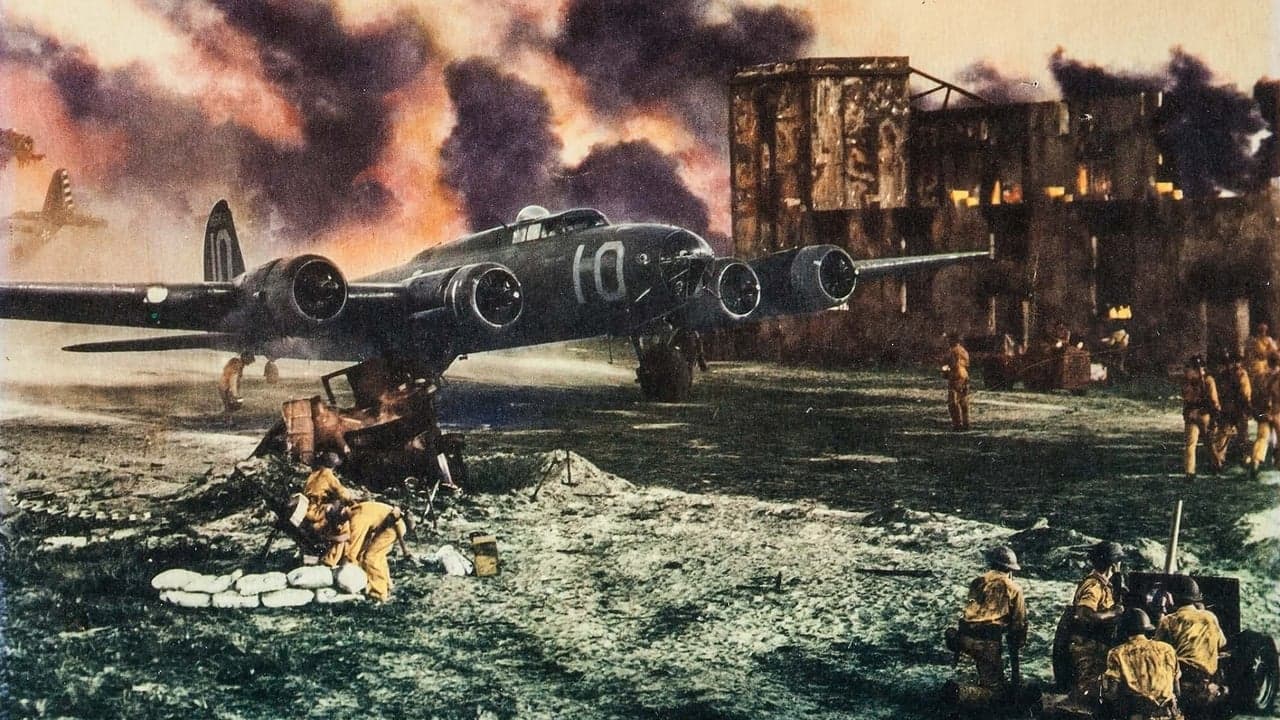
Air Force tells the story of an American bomber crew tasked with ferrying an unarmed B-17D Flying Fortress—christened the Mary-Ann—across the Pacific to Hickam Field in Hawaii. What starts as a routine military transport mission becomes anything but routine when the crew arrives in Pearl Harbor on December 7, 1941, flying directly into the Japanese air attack that would bring the United States into World War II. The film doesn't shy away from the raw confusion of that morning; it's a visceral, you-are-there account of what happens when peacetime assumptions collide with the opening salvo of America's war in the Pacific. From there, the surviving crew is reassigned to Manila to help defend the Philippines against Japanese forces, where the real test of their mettle—and their bonds—begins to crystallize.
Director Howard Hawks, working from a concept originally pitched by then-Lieutenant General "Hap" Arnold, structures the narrative as a character study wrapped inside a war picture. The crew isn't a faceless unit; they're individuals with names, quirks, and vulnerabilities. What's striking is how Hawks uses the confined space of the bomber itself as both a literal and metaphorical pressure cooker. The men can't escape each other, can't hide from danger, can't pretend the war is happening somewhere else. It's happening in the seat next to them.
Behind the making of Air Force: Production, cast and the path to release
Air Force was conceived in the immediate aftermath of Pearl Harbor, with the original plan to release it on December 7, 1942—exactly one year after the attack. That deadline proved impossible to meet. The film finally premiered in New York City on February 3, 1943, and went into wider release on March 20. It was a Warner Bros. Pictures production helmed by legendary producers Hal B. Wallis and Jack L. Warner, with a screenplay that benefited from some extraordinary uncredited work—William Faulkner, the Nobel Prize-winning novelist, wrote the emotional deathbed scene for John Ridgely, who played the Mary-Ann's commander and pilot.
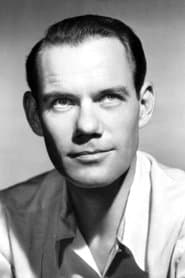
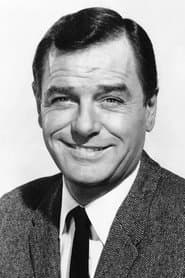
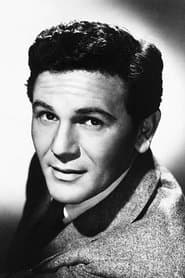
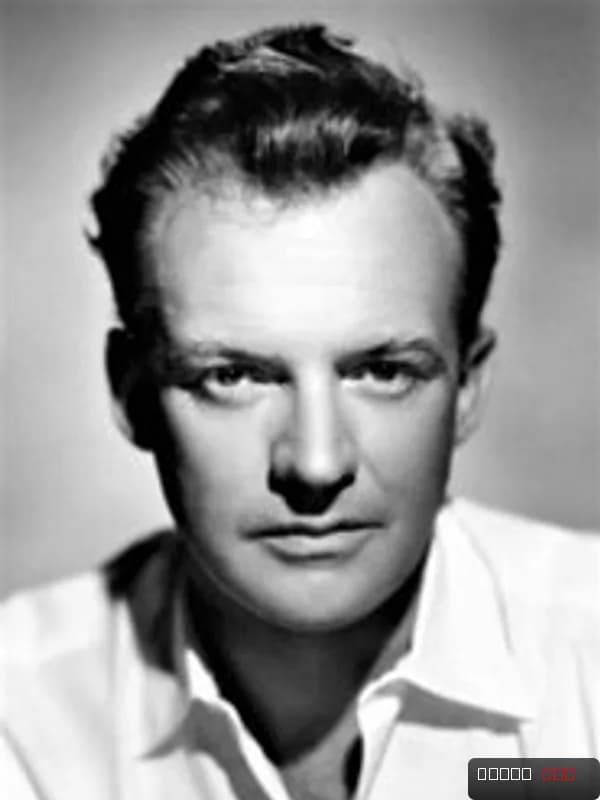
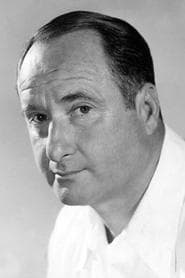
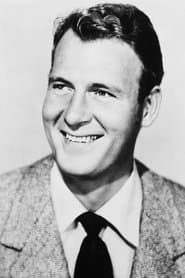
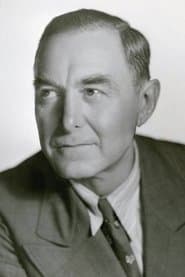
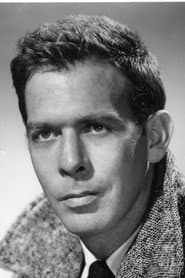
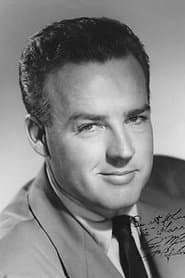
The cast assembled around Ridgely included John Garfield (a powerhouse in any ensemble), Gig Young, and Arthur Kennedy, each bringing their own gravitas to the crew. These weren't bit players; they were serious actors capable of carrying dramatic weight. The film ran 124 minutes—a substantial runtime for 1943—and Hawks used every second to develop character relationships and the slow-burn tension of military life under fire. The picture earned a respectable 6.54 rating on IMDb, which for a wartime propaganda piece (yes, it contains problematic depictions of Japanese Americans that never actually happened) speaks to its craft and performances.
What nobody mentions much is that this film was made during the war itself, when the outcome was still uncertain. Hawks wasn't making a retrospective; he was making a document of the present moment, which gives it a peculiar urgency even today.
What makes Air Force stand out: Ensemble acting and the weight of wartime drama
The performances that anchor Air Force are genuinely affecting, and that's partly because Hawks understood that war movies work best when you care about the men before the bullets start flying. Ridgely's captain is a man trying to hold a crew together while processing his own fear and responsibility. Garfield brings a coiled intensity to his role—he's the kind of actor who can communicate volumes with a glance. The ensemble dynamics feel earned rather than imposed; you believe these men have been through something together.
Hawks' direction is methodical and unglamorous. There are no heroic slow-motion shots or swelling orchestral cues every time someone does something brave. Instead, there's a documentary-like quality to the action sequences, a sense that he's trying to show you what it actually felt like to be in a bomber under fire (or as close as a 1943 soundstage could get you there). The aerial sequences, shot with miniatures and practical effects, hold up reasonably well—they're not seamless by modern standards, but they convey genuine peril.
I keep coming back to the quieter moments, though. A scene where the crew is waiting for orders, or trying to sleep in cramped quarters, or receiving news from home. That's where the real drama lives. The action is the punctuation; the character work is the sentence. Hawks understood that distinction, and it's why Air Force feels like something more than a wartime recruiting poster, even if it was partly designed as one.
Where to stream Air Force online
Air Force is available on major OTT services, and you can check the "Where to Watch" widget at the top of this page to see which platforms currently carry it in your region. Streaming availability shifts regularly, so Movie OTT makes it easy to track where classic films like this one are accessible at any given moment. If you're a subscriber to any of the major services, there's a decent chance you'll find it already in your library—it's a Warner Bros. title, after all, and the studio has deep relationships with most streaming platforms. For those who prefer to own their films, it's also available on physical media if you want a permanent copy.
Frequently asked questions
Q: Is Air Force based on a true story?
Yes and no. The film is loosely inspired by actual events—a real B-17 crew did arrive at Pearl Harbor during the Japanese attack—but Hawks and his writers took significant dramatic liberties. The film also contains invented storylines about Japanese American saboteurs that never actually occurred, which is a troubling aspect of the picture that's worth acknowledging.
Q: Who directed Air Force?
Howard Hawks directed the film. Hawks was one of Hollywood's most versatile directors, equally comfortable with comedies, westerns, and war pictures. He brought his signature style—economical storytelling, strong ensemble work, minimal sentimentality—to this 1943 aviation drama.
Q: Who wrote the screenplay for Air Force?
The screenplay was credited to Dudley Nichols, but William Faulkner, the celebrated novelist, contributed uncredited work on the film, most notably the emotional deathbed scene for John Ridgely's character. It's a reminder of how much invisible labor went into Golden Age Hollywood.
Q: How long is Air Force?
The film runs 124 minutes, which was a substantial runtime for 1943. Hawks didn't rush through character development or dramatic moments, and that deliberate pacing is part of what gives the film its weight.
Q: Why was Air Force originally supposed to release on December 7, 1942?
General "Hap" Arnold conceived the project with the idea of releasing it on the first anniversary of the Pearl Harbor attack. Production delays made that impossible, and the film premiered in New York in February 1943 instead, then rolled out nationally in March.
Final thoughts on Air Force
Air Force isn't a perfect film—it's got the dated assumptions and propaganda elements you'd expect from a 1943 wartime picture. But it's also a remarkably solid piece of filmmaking that respects its audience enough to spend time with its characters. If you're interested in classic war cinema or Howard Hawks' directorial range, it's worth seeking out. The ensemble cast delivers, the direction is assured, and there's a real sense of stakes and uncertainty that you don't always find in older war pictures. It's a window into how Hollywood processed the early days of American involvement in World War II, made while the war was still being fought.