


The story of Rio Lobo and its post-Civil War revenge
Rio Lobo follows a former Union colonel who, in the aftermath of America's bloodiest conflict, becomes obsessed with tracking down two men whose betrayal cost him something irreplaceable—a close friend's life. That's the engine driving this 1970 Western: not conquest or settlement, but a personal reckoning that spans the years between war's end and the film's present day. The colonel's quest takes him across the landscape, pulling together an unlikely band of allies as he closes in on his targets. It's a revenge narrative dressed in the familiar clothes of the post-Civil War Western, a subgenre that Hawks had mined before and understood intimately. What makes Rio Lobo distinct isn't necessarily its plot—revenge tales were hardly uncommon—but rather the cast assembled to inhabit this world and the particular sensibility their director brought to the material.
Behind the making of Rio Lobo and Hawks' final directorial statement
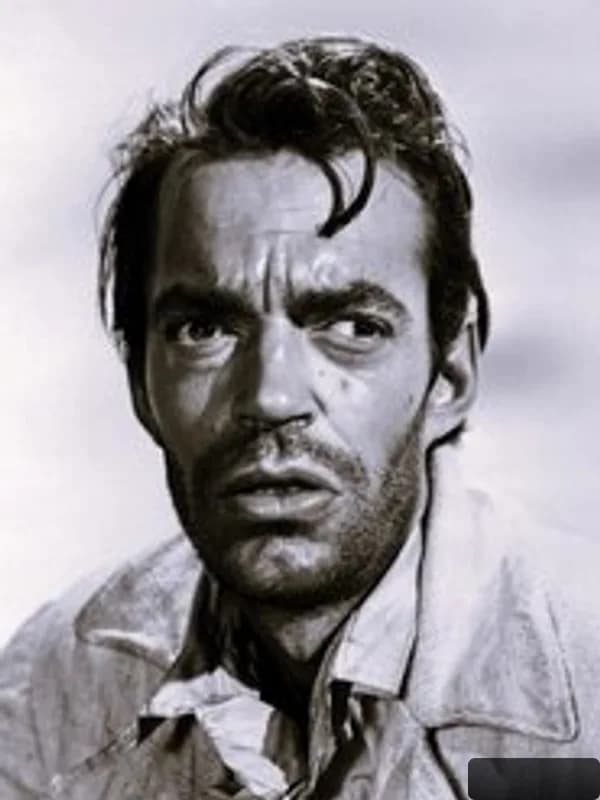
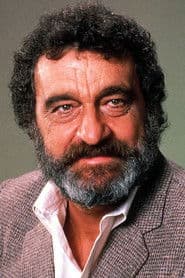
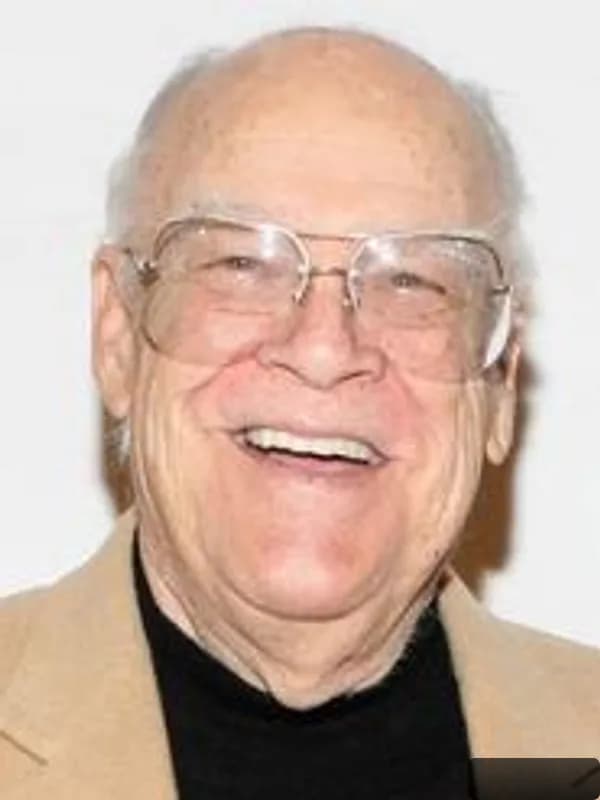
Rio Lobo marked the last time Howard Hawks would sit in the director's chair. For a filmmaker who'd shaped American cinema across multiple genres—from screwball comedy to noir to aviation dramas—this Western represented a kind of farewell, even if Hawks himself didn't know it at the time. The film was produced by Cinema Center Films, Batjac Productions (John Wayne's own company), and shot on location in Cuernavaca, Mexico and Tucson, Arizona, lending the picture an authenticity that studio backlots couldn't quite replicate. The screenplay came from Burton Wohl and Leigh Brackett, the latter a legendary writer who'd worked with Hawks before and understood his rhythms. Jerry Goldsmith composed the score—a composer whose work would define the sound of American cinema for decades to come, though his contributions here, while professional, don't quite reach the memorability of his most iconic work. The cast around John Wayne included Jorge Rivero, Jennifer O'Neill, Jack Elam, Victor French, and Susana Dosamantes, a mix of established names and rising talent that gave the production both gravitas and fresh energy. The film ran 116 minutes and arrived in theaters in 1970, a moment when the Western itself was undergoing seismic shifts in how it portrayed violence, morality, and the frontier mythos itself.
What makes Rio Lobo work despite its familiar terrain
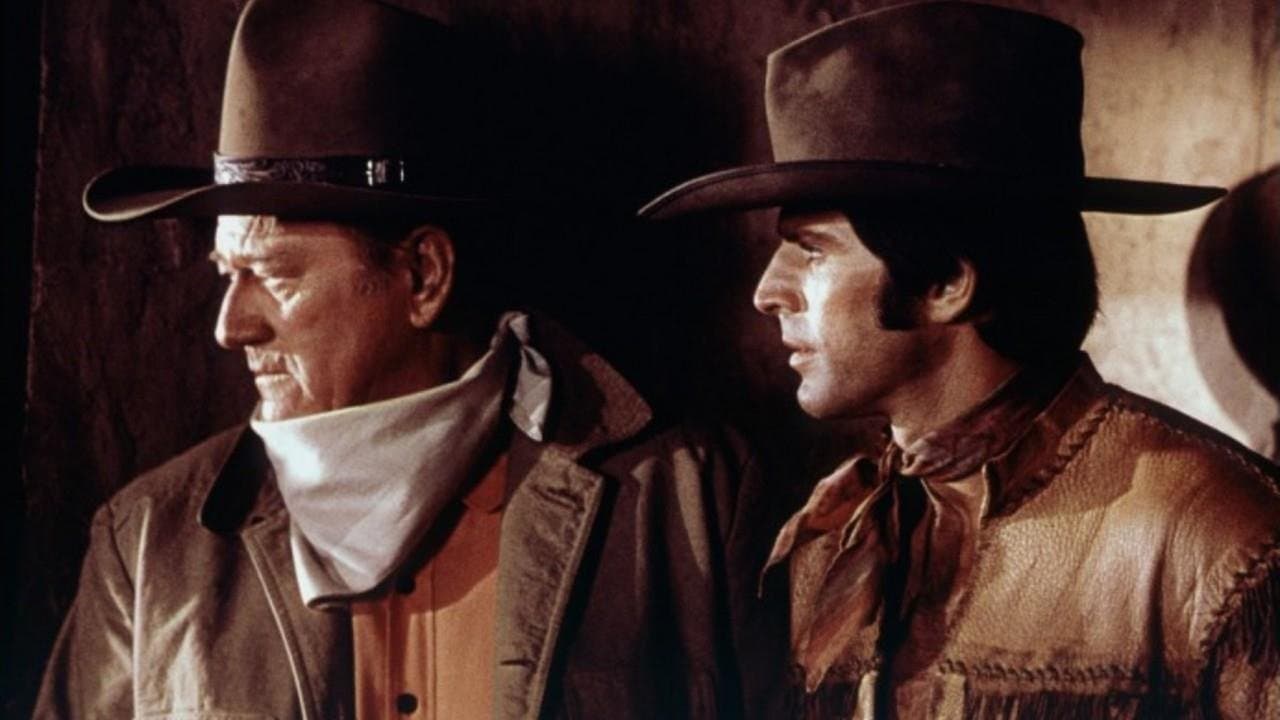
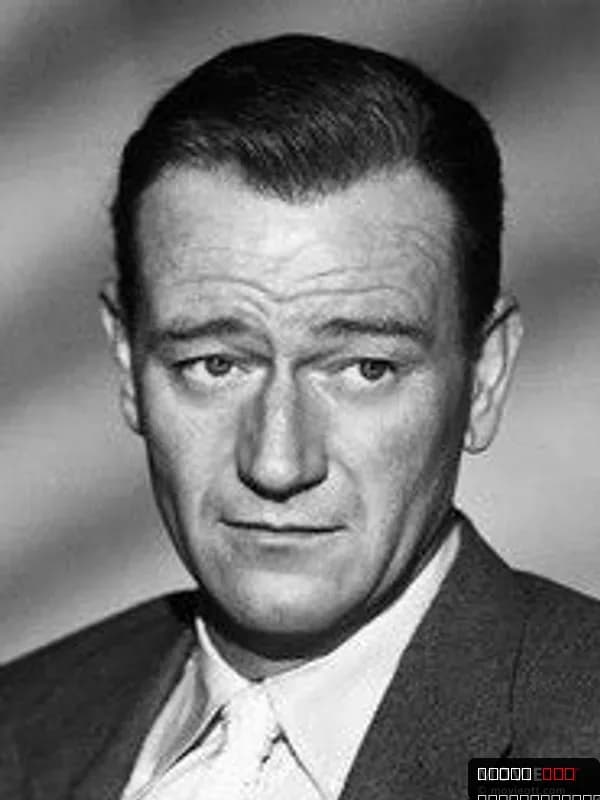
What's striking about Rio Lobo isn't that it reinvents the Western—it doesn't, and maybe that's the point. Instead, Hawks seems content to work within the conventions he'd spent a lifetime mastering, letting his actors and their interactions carry the weight rather than chasing novelty. John Wayne anchors the film with the kind of presence only he could bring: weathered, authoritative, yet capable of a wry humor that keeps the material from becoming self-serious. The supporting cast does real work here. Jack Elam, in particular, steals scenes as the cantankerous, whisky-swilling Mr. Phillips—a character actor's dream role, and Elam makes the most of it, bringing a gravelly charm and unpredictability that keeps you watching whenever he's on screen. Jorge Rivero brings a different energy, younger and more idealistic, which creates a natural dynamic with Wayne's grizzled veteran. Jennifer O'Neill carries the female lead with a kind of frontier pragmatism that doesn't require her to be rescued so much as to be respected. The thing nobody mentions about Rio Lobo is how much of its appeal rests on these ensemble moments—the banter, the quiet understandings between characters, the way Hawks lets scenes breathe rather than rushing toward the next plot beat. It's an approach that feels almost leisurely by modern standards, but it's also what gives the film its distinctive flavor. The IMDb rating of 6.476/10 suggests a film that's neither beloved nor dismissed, which might be the most honest assessment: a solid, professional piece of work that doesn't quite achieve greatness but doesn't embarrass itself either.
Where to stream Rio Lobo online
Rio Lobo is currently available on major OTT services, making Hawks' final Western more accessible than ever. You can check the Where to Watch widget at the top of this page to see exactly which platforms are carrying it in your region right now. Streaming availability shifts frequently, so if you're planning to watch, that widget will give you the most up-to-date information. Movie OTT tracks these changes across services, so you won't waste time hunting. Whether you're a John Wayne completist or a Howard Hawks devotee looking to check off his entire filmography, Rio Lobo is worth a streaming session—it's the kind of film that benefits from the comfort of watching at home, where you can settle in and let Hawks' deliberate pacing work its magic without the pressure of a theater ticket's cost weighing on your patience.
Frequently asked questions
Q: Who directed Rio Lobo?
Howard Hawks directed and produced Rio Lobo in 1970. It was the final film Hawks would direct in his long and influential career, making it a significant—if understated—capstone to his legacy.
Q: Is Rio Lobo based on a true story?
No, Rio Lobo isn't based on a true story. The screenplay by Burton Wohl and Leigh Brackett is an original work, though it draws on familiar Western archetypes and the real historical context of the post-Civil War era.
Q: How long is Rio Lobo?
Rio Lobo runs 116 minutes, giving Hawks plenty of time to develop his characters and let scenes unfold at his preferred unhurried pace.
Q: What's the plot of Rio Lobo about?
The film follows a former Union colonel who, after the Civil War, searches for two men whose betrayal led to the death of a close friend. It's a revenge narrative set against the backdrop of the American frontier in the post-war period.
Q: Who stars in Rio Lobo?
John Wayne carries the film as the lead, with strong supporting performances from Jorge Rivero, Jennifer O'Neill, Jack Elam, Victor French, and Susana Dosamantes.
Final thoughts on Rio Lobo and who should watch it
Rio Lobo isn't a masterpiece, but it's a film made by masters—Hawks knew exactly what he was doing, even if what he was doing felt somewhat familiar by 1970. It's worth watching if you're interested in John Wayne's later career, if you're tracking Hawks' complete filmography, or if you simply enjoy Westerns that prioritize character and dialogue over spectacle. The film doesn't try to be anything it isn't, which is either refreshing or disappointing depending on your appetite for late-career revisionism. For those patient enough to meet it on its own terms, Rio Lobo offers the pleasures of watching seasoned professionals do what they do best—tell a story about honor, betrayal, and frontier justice without apology or pretense.