








The story of Alice and its shocking premise
Alice is a 2022 thriller that refuses to fit neatly into any single box. The film follows a woman named Alice who spends her days enslaved on a rural Georgia plantation, her entire existence confined to backbreaking labor and the constant threat of violence. When a brutal confrontation with the plantation owner Paul forces her hand, she runs — through the woods, desperate and terrified, searching for anything that might mean freedom. What she finds instead is a highway. And then the real shock: it's 1973. The tagline says it all: "Revenge is long overdue."
That premise alone — a woman escaping slavery only to discover over a century has passed — is audacious enough to catch you off guard. But Alice doesn't treat this as science fiction or magical realism. It treats it as truth, which is precisely what makes it so unsettling. The film's 100-minute runtime moves with purpose, never letting you settle into comfortable answers about what's happening or why. You're as confused and disoriented as Alice herself, which is exactly where the filmmakers want you.
Behind the making of Alice and its real-world inspiration
Alice marks the directorial debut of Krystin Ver Linden, who also wrote the screenplay. That's a significant detail — this isn't a studio product filtered through multiple rewrites. It's a singular vision, based on the real life of Mae Louise Wall Miller, a woman whose story remained largely unknown until recently. Ver Linden's commitment to bringing this narrative to the screen resulted in a film that premiered in 2022 and was distributed through Vertical and Roadside Attractions, with production backing from Steel Springs Pictures.
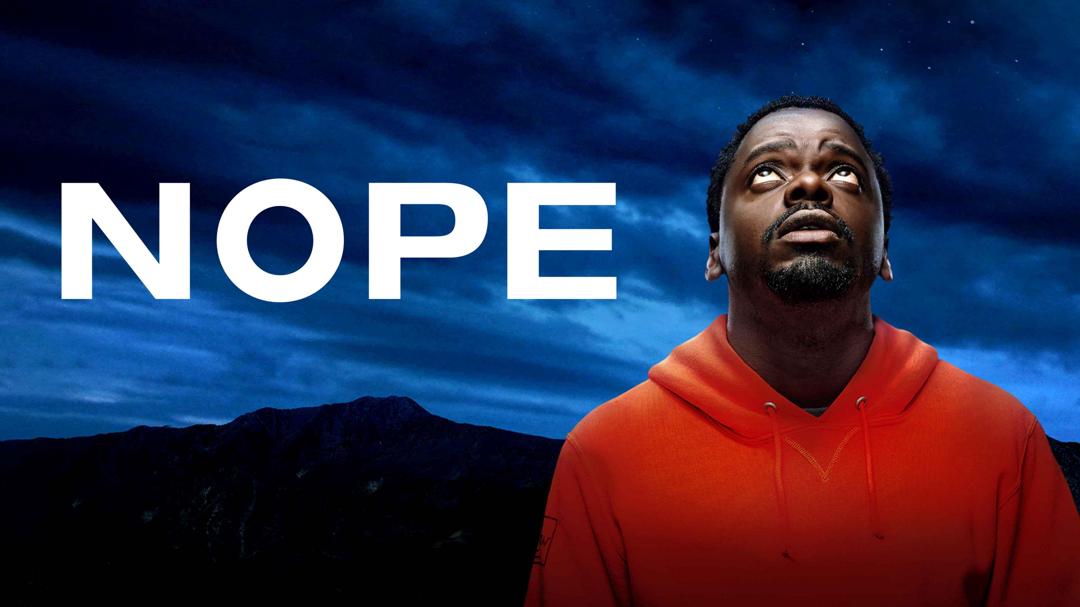
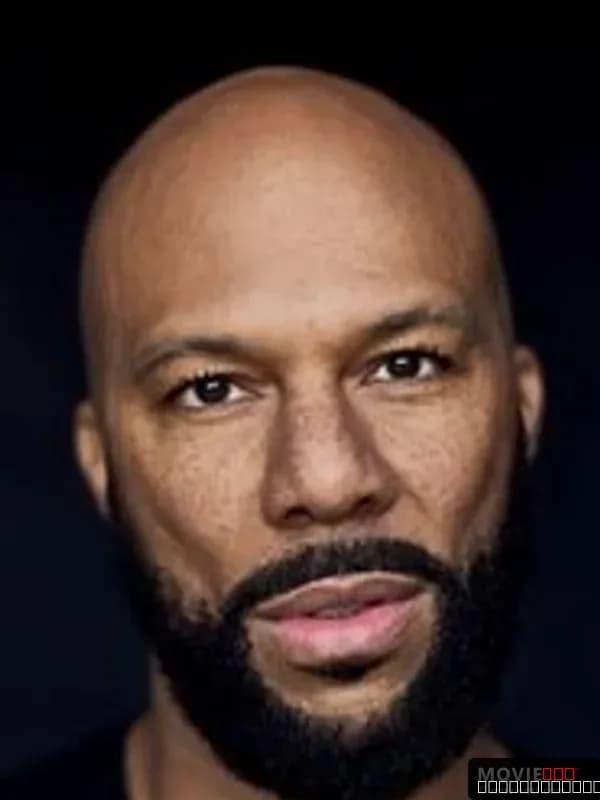
The cast carries considerable weight. Keke Palmer, known for her work in Akeelah and the Bee and Nope, anchors the film as Alice with a performance that oscillates between defiance and raw vulnerability. Jonny Lee Miller (Blacklist, Dexter) plays Paul, the plantation owner, while Common and Gaius Charles round out the ensemble. Alicia Witt, whose career spans from Cybill to recent prestige television work, also appears in the cast. These aren't marquee names that guarantee box-office dominance, but they're actors who understand how to carry the weight of difficult material. The film received an R rating, which feels appropriate given the violence and trauma at its core.
The production itself was lean and focused — Steel Springs Pictures and the indie distribution model meant this was never going to be a blockbuster play. Box-office returns were modest, which tells you something about how niche this story remains, despite its emotional power and thematic urgency. What matters more is that the film found its audience among those willing to engage with its unsettling central conceit.
What makes Alice stand out as a genre experiment
Here's what's striking about Alice: it doesn't try to explain itself. Most films would spend half the runtime trying to rationalize the time-slip element, offering pseudo-scientific or supernatural justification. Alice refuses that impulse. Instead, the film uses the impossible as a metaphor for the inescapable nature of systemic oppression — the idea that even when you think you've escaped, the trauma and the structures that created it follow you into an uncertain future.
Keke Palmer's performance is the backbone here. Watch her in the early scenes — the way she moves through the plantation with a kind of coiled tension, every gesture calculated to avoid drawing attention. Then watch her on that highway, face flooding with confusion and dawning realization. She doesn't play Alice as a victim waiting for rescue. She plays her as someone actively trying to understand and survive a reality that makes no sense. That shift in her eyes when she sees a car, sees Black people moving freely through the world — it's a moment the film earns.
What I keep coming back to is how the film treats its genre elements without irony or winking at the camera. It's a thriller, yes, but it's also a drama about trauma and displacement. The violence is brutal and unflinching without being gratuitous. There's a scene early on where Alice confronts Paul that crackles with genuine danger — you don't know how far she'll go or what he's capable of. That tension carries through the rest of the film. The thing nobody mentions is how much restraint Ver Linden shows in not overexplaining or sentimentalizing Alice's journey. She lets the premise do the heavy lifting, and that's riskier than it sounds.
Critically, the film landed with a 5.6 rating on IMDb, which suggests audiences were divided — some found it bold and necessary, others found it too strange or unsatisfying. That division is exactly what makes it worth discussing. It's not a crowd-pleaser, and it doesn't want to be.
Where to stream Alice online
Alice is available on major OTT streaming platforms, which means you don't need to hunt through specialty rental services to find it. Check the "Where to Watch" widget at the top of this page on Movie OTT to see which services currently have it in your region — availability shifts frequently across Netflix, Prime Video, and other major platforms. Movie OTT tracks current streaming availability across these services, so you'll get real-time information about where to find it. The film's accessibility through streaming makes it easier to discover than it might have been in theaters, where it had limited distribution. If you're the type who likes to have a solid recommendation before committing to a watch, reading through reviews on Movie OTT or similar aggregators can help you decide if this particular story is one you want to spend an evening with.
Frequently asked questions
Q: Is Alice based on a true story?
Yes. The film is inspired by the real life of Mae Louise Wall Miller, a woman whose story remained largely unknown until recently. Director Krystin Ver Linden adapted her narrative into this fictional thriller, taking creative liberties with the time-slip element while grounding the film in the historical reality of slavery and its aftermath.
Q: Who directed Alice?
Krystin Ver Linden wrote and directed Alice in her feature directorial debut. It's a bold first film — ambitious in scope and unafraid to challenge genre conventions.
Q: What's the runtime of Alice?
The film runs 100 minutes, which is lean enough to maintain momentum without feeling rushed. Ver Linden uses that time efficiently, avoiding subplot clutter.
Q: Is Alice appropriate for all audiences?
Alice is rated R for violence and language. It contains scenes of brutality and trauma related to slavery and abuse. It's not a film for younger viewers, and even adults should know what they're getting into before pressing play.
Q: Where can I watch Alice?
Alice streams on major OTT platforms. Use the "Where to Watch" widget at the top of this page to check availability in your region, or visit Movie OTT to see current streaming options.
Final thoughts on Alice
Alice isn't a film that'll leave you feeling uplifted or resolved. It's deliberately unsettling, and that's its strength. Ver Linden has made something that lingers — a film about impossible escape and the ways history refuses to stay buried. Keke Palmer's performance carries you through the strangeness, and the supporting cast grounds the surreal premise in emotional reality. If you're looking for a thriller that takes risks and doesn't apologize for its ambition, this one's worth your time. Just go in knowing you won't get easy answers. Sometimes that's exactly what a story needs to say something true.