

The Story of Another Woman
Another Woman follows Marion Post, a 50-year-old philosophy professor who believes she's constructed a rational, orderly existence—one built on intellectual discipline and emotional control. But when she rents an office in Manhattan to focus on writing a book about German poetry, something unexpected happens: she discovers she can hear her neighbor's psychotherapy sessions through the wall. What starts as an accidental intrusion becomes an obsession. The voice belongs to a younger woman drowning in despair, wrestling with depression and regret, and Marion finds herself unable to ignore the raw emotional honesty bleeding through that thin barrier. The more she listens, the more her own carefully maintained facade begins to crack, and she's forced to confront truths about herself she's spent decades avoiding—her loveless marriage, her estrangement from her stepdaughter, the roads not taken, the person she might have been.
Behind the Making of Another Woman
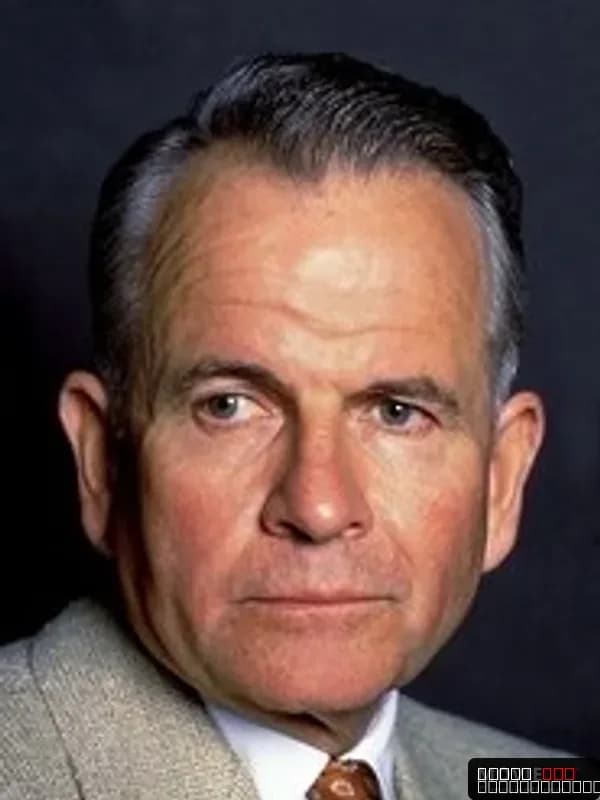
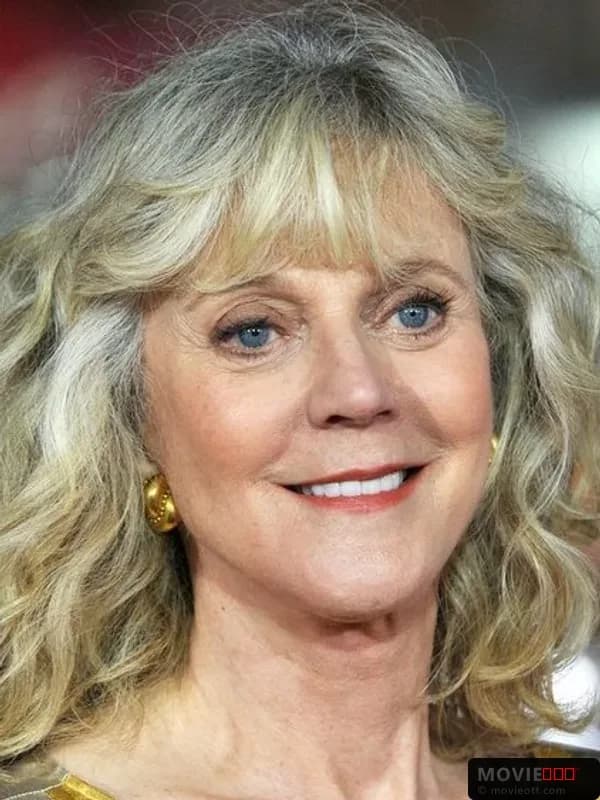
Woody Allen wrote and directed Another Woman during a prolific period in his career, releasing it in 1988 to modest commercial returns. The film earned just $1.56 million at the box office, a relatively quiet performance that didn't match the commercial success of some of his contemporaries' work, yet it attracted serious critical attention and award recognition. The film received three Academy Award nominations and one win, cementing its place in Allen's deeper, more introspective catalog. Allen assembled an extraordinary ensemble cast: Gena Rowlands (who carries the entire film with remarkable nuance) alongside Mia Farrow, Ian Holm, Gene Hackman, and Blythe Danner. Each brings a particular kind of lived-in weariness to their roles. The film's 81-minute runtime is lean and purposeful—there's no wasted space here. Rated PG, it's technically accessible, though its emotional weight isn't for everyone. What's striking is how Allen uses the confined setting of Marion's office and her apartment to mirror the claustrophobia of her inner life, the way the walls themselves seem to close in as her secrets multiply.
What Makes Another Woman Stand Out
Gena Rowlands delivers what might be her finest performance—a masterclass in showing rather than telling. You watch Marion's face as she listens to her neighbor's confession, and you see the exact moment her intellectual armor begins to fail her. There's a scene where Marion attends a concert and becomes overwhelmed by emotion; it's understated, almost imperceptible to someone not paying attention, but it's the hinge on which her entire journey turns. Critics were divided—Rotten Tomatoes pegged it at 59%, a "Rotten" rating that speaks to the film's divisive nature—but those who connected with it recognized something rare: a film about middle age that doesn't sentimentalize or simplify the experience. The themes of depression, regret, and family estrangement aren't resolved neatly. Marion doesn't have an epiphany that fixes everything. Instead, Allen lets her sit with her discomfort, her complicity in her own unhappiness, and the unsettling realization that understanding yourself doesn't automatically change you. The IMDb rating of 6.6 out of 10 (from over 15,000 votes) reflects this polarization—some find it emotionally resonant and intellectually honest; others find it cold or self-indulgent. That tension is exactly the point. I keep coming back to how the film refuses easy catharsis, how it trusts the audience to sit with Marion's pain without needing her to resolve it by the final credits.
How to Watch Another Woman Online
Another Woman is currently available to stream on Prime Video, where you can access it alongside thousands of other titles. If you're using Movie OTT to track where films are streaming, you'll find our "Where to Watch" widget at the top of this page listing all current platforms carrying the title—it's updated regularly as streaming rights shift. Prime Video's library makes it easy to add Allen's work to your queue, whether you're working through his 1980s output or sampling his more philosophical dramas. The film's relatively modest length means it won't demand an enormous time commitment, though its emotional density might leave you wanting to sit with it for a while after it ends.
Frequently asked questions
Q: Who directed Another Woman?
Woody Allen wrote and directed Another Woman in 1988. It's one of his more introspective, character-driven works, focusing on internal emotional life rather than the neurotic comedy he's known for.
Q: Who stars in Another Woman?
Gena Rowlands leads the cast as Marion Post, the philosophy professor at the film's center. The ensemble includes Mia Farrow, Ian Holm, Gene Hackman, Blythe Danner, Martha Plimpton, and Betty Buckley in supporting roles.
Q: Is Another Woman based on a true story?
No, Another Woman is an original screenplay written by Woody Allen. While it explores universal themes of regret and self-deception, it's a fictional exploration rather than an adaptation or true-story drama.
Q: What's the runtime of Another Woman?
The film runs 81 minutes, making it a relatively lean drama that doesn't overstay its welcome despite its emotional weight.
Q: Where can I watch Another Woman?
Another Woman is available to stream on Prime Video. Check Movie OTT's streaming widget for real-time availability across all platforms.
Final Thoughts on Another Woman
Another Woman isn't Allen at his most accessible or entertaining—it's Allen at his most serious, most willing to sit in discomfort. It's a film about the stories we tell ourselves and how those stories can become prisons. If you're drawn to character studies that prioritize emotional truth over plot mechanics, or if you're interested in how a master filmmaker approaches the subject of middle-aged regret and self-deception, it's worth seeking out. The performances are too good to ignore, and the film's refusal to offer easy answers feels increasingly rare. Not everyone will connect with it—that 59% on Rotten Tomatoes speaks to that—but those who do will likely find themselves thinking about Marion's quiet desperation long after the credits roll.