
The story of Astronaut and one man's final dream
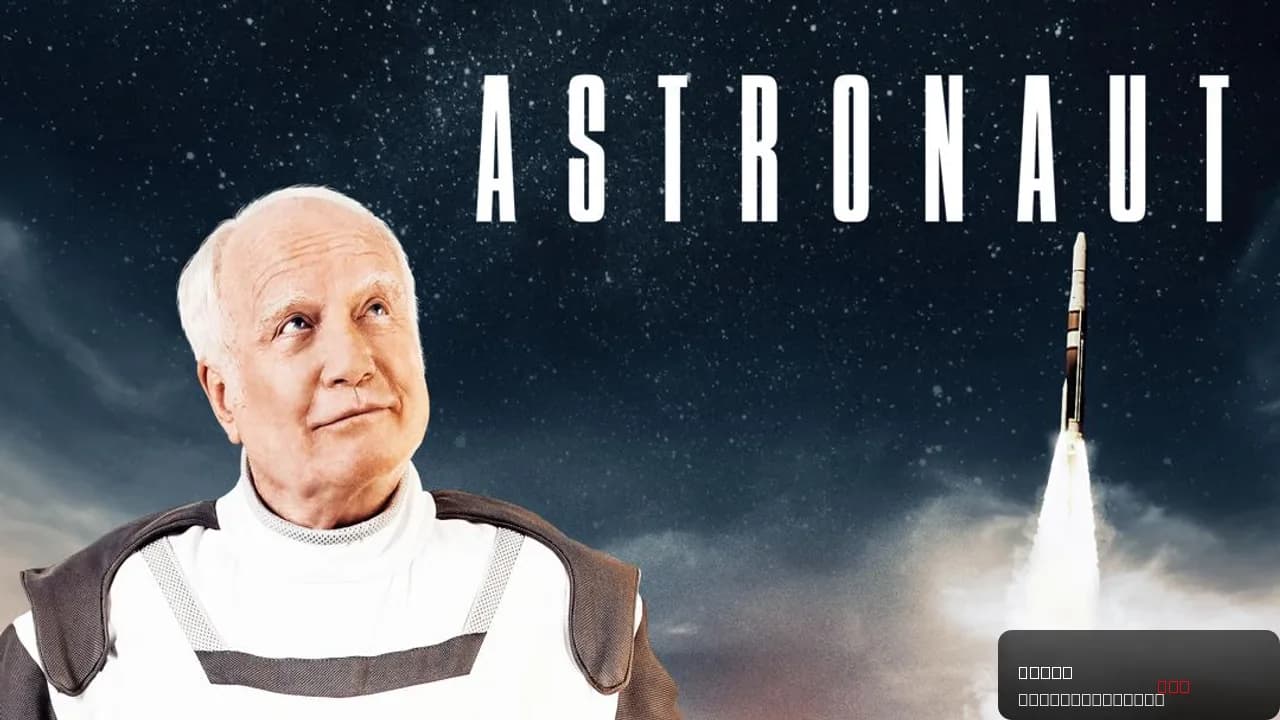
Astronaut (2019) follows an aging widower who refuses to fade quietly into his final years. When a competition opens for the first civilian trip into outer space, he sees something his family can't: a last chance to matter, to leave Earth with purpose, to become more than just another lonely senior waiting out the clock. That's the engine of this film—not rockets, but hope. Director Shelagh McLeod's 97-minute Canadian drama takes what could've been a maudlin premise and finds genuine urgency in it. The widower isn't chasing youth or denying mortality. He's chasing meaning. And he'll fight everyone around him—his skeptical children, his own body, time itself—to get it.
What makes the setup work is that it never feels contrived. The competition exists. The dream is real. What's striking is how the film treats his determination not as delusion but as the most rational thing a person in his position could do. Why settle for slow decline when you could aim for the stars?
Behind the making of Astronaut and its cast of heavyweight talent
McLeod directed Astronaut with a restrained hand, letting performances breathe rather than forcing sentiment. The production brought together a cast heavy with Canadian and American television pedigree: Richard Dreyfuss, the Oscar-winning actor from Jaws and The Goodbye Girl, carries the entire film on his shoulders—and at his age (he was 81 when this shot), that's no small feat. Alongside him, Lyriq Bent, Colm Feore, Krista Bridges, Art Hindle, Richie Lawrence, and Graham Greene round out a ensemble that treats the material with seriousness. These aren't B-list names phoning it in. The film premiered in 2019 as a Canadian production, arriving during a period when streaming platforms were beginning to absorb more original dramatic content. It didn't crack the major awards circuit—the IMDb rating sits at 5.9/10, suggesting mixed critical and audience reception—but that doesn't tell the whole story. Smaller dramas often get lost in the noise. What matters is whether the film earns its emotional beats, and for many viewers, this one does.
What makes Astronaut stand out as a character study
Here's the thing about aging in cinema: it's either sentimentalized or ignored. Astronaut does neither. Dreyfuss plays his character not as a tragic figure or an inspiration-porn hero, but as a man—stubborn, flawed, determined, sometimes wrong. He wants to go to space. His kids think he's lost it. The family conflict isn't melodramatic; it's the quiet, grinding disagreement that happens when adult children worry their parent is making a terrible mistake, and that parent knows they might be, but doesn't care anymore. There's a scene where he's training for the competition, pushing his body past what it can handle, and you're watching him fail in real time—not because the film is cruel, but because that's what happens when you refuse to accept your limits. It's uncomfortable. It's human.
What I keep coming back to is the film's refusal to let the space dream become metaphorical. This isn't about "reaching for the stars" in some vague, inspirational way. It's about an actual ticket to space. The specificity matters. It grounds the story in something tangible, something you can want as badly as he does. The supporting cast—particularly the family members who oppose him—aren't written as obstacles to overcome. They're written as people who love him and are terrified. That tension, that genuine disagreement about what's best, is where the drama lives. Not in triumph, but in doubt.
Where to stream Astronaut online
Astronaut is currently available on Prime Video, making it accessible if you've got an Amazon subscription already sitting there. Since streaming rights shift constantly, Movie OTT tracks where this title is available right now—check the "Where to Watch" widget at the top of this page to confirm it's still on Prime in your region. The 97-minute runtime means you can fit it into an evening without a huge commitment. It's the kind of film that benefits from watching when you're not distracted—it doesn't demand your attention with explosions or jump scares, but it rewards your focus with a genuine human story.
Frequently asked questions
Q: Who directed Astronaut?
Shelagh McLeod directed the film. She brings a restrained, character-focused approach that lets the performances and story carry the weight without unnecessary melodrama.
Q: Is Astronaut based on a true story?
No, it's a fictional narrative. However, the premise—a civilian space competition—reflects real-world developments in commercial spaceflight that were happening around the time the film was made.
Q: Where can I watch Astronaut right now?
The film is currently streaming on Prime Video. You can check Movie OTT's "Where to Watch" widget to confirm availability in your area, as streaming rights vary by region.
Q: What's the runtime of Astronaut?
The film runs 97 minutes, making it a lean, focused drama that doesn't overstay its welcome.
Q: Is Astronaut a feel-good movie?
It's complicated—in the best way. It's not a traditional feel-good film with a neat, triumphant ending. It's more honest than that. You'll feel something by the end, but it might not be simple happiness.
Final thoughts on Astronaut
If you're looking for a film that treats aging and mortality with dignity rather than pity, Astronaut deserves your time. It's not perfect—the 5.9 IMDb rating reflects that—but it's sincere. Dreyfuss delivers one of his best performances in years, and the supporting cast holds up their end. The premise could've been gimmicky. Instead, it becomes a vehicle for exploring what it means to want something badly enough to risk everything. That's not just a good story. That's life.