








The story of Back Roads
Back Roads opens in a coal town deep in the American East, where life moves slowly and secrets fester in the shadows. After their mother is imprisoned for shooting their abusive father, the Altmyer family fractures. The oldest son—young, ambitious, on the cusp of escaping—has to give up college and stay behind to raise his three younger sisters, including a rebellious teenager who's already learned too much about pain. It's a setup that feels almost Shakespearean in its cruelty: duty versus desire, family obligation versus personal freedom. The film doesn't rush its premise. Instead, it lets the weight of that sacrifice settle over everything that follows.
When a married woman from down the road catches the protagonist's eye, what starts as a moment of stolen intimacy becomes the thread that unravels everything. Because in a town this small, in a family this broken, nothing stays hidden for long. What emerges isn't just an affair—it's the slow, agonizing surfacing of questions nobody wanted answered. Family secrets don't announce themselves. They creep.
Behind the making of Back Roads
Back Roads is a 2019 adaptation of the novel by Tawni O'Dell, brought to screen by director Alex Pettyfer (who also stars in the lead role) under production banners including Infinity Media, Upturn Productions, Black Hanger Studios, and Orwo Studios. The film runs 101 minutes and carries a runtime that feels deliberate—long enough to let scenes breathe, short enough to maintain its narrative tension without exhaustion.
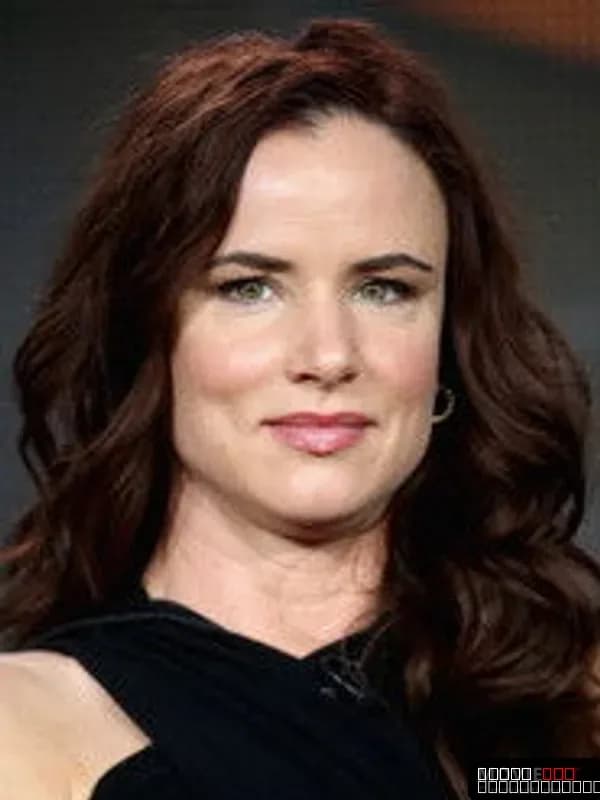
The ensemble cast brings considerable pedigree to the material. Juliette Lewis, known for her fierce, often unsettling performances, anchors the film as the imprisoned mother whose absence haunts every frame. Nicola Peltz rounds out the younger sister roles, bringing a raw edge to the character of a teenager shaped by trauma. The supporting cast includes Jennifer Morrison as the married woman whose appearance destabilizes the fragile equilibrium the family has constructed. Pettyfer's dual role as both director and lead actor is ambitious—a choice that speaks to his commitment to the source material, even if it doesn't always land without friction.
The film premiered at festivals and earned recognition with 2 awards wins, though it didn't become a mainstream box office phenomenon. Critics were more measured: it holds a 55% on Rotten Tomatoes, a 42 Metascore, and a 6.3/10 on IMDb (based on 5,630 votes). Those numbers suggest a film that divides viewers—some finding genuine emotional power, others finding it uneven or overwrought.
What makes Back Roads stand out
What's striking about Back Roads is how it refuses to simplify its characters' moral landscape. The thing nobody mentions is that the film understands something crucial: people aren't good or bad because of their circumstances, but they're shaped by them in ways that make judgment feel incomplete. Reviewers who connected with the film noted that its emotional weight comes not from shock value or plot twists, but from the slow-burn recognition that these characters are doing things that should horrify us—and yet, we can't help but feel sorrow for them instead.
The performances carry this tension. Pettyfer's portrayal of a young man trapped between adulthood forced too early and the possibility of something resembling a life for himself has a quiet desperation that doesn't announce itself. He's not the brooding antihero of a prestige drama—he's just tired, and that exhaustion becomes the film's emotional core. Lewis, even in limited screen time, radiates the kind of maternal ferocity that explains everything about her children's damage without a single monologue. Peltz's teenage character could've been a cliché—the troubled kid acting out—but she's given enough interiority that her rebellion reads as survival.
The film isn't a thriller in the conventional sense. It doesn't build toward a shocking revelation or a climactic confrontation. Instead, it's a slow accumulation of small moments—a look held too long, a conversation that circles the truth without quite landing on it, the quiet understanding that some families are built on lies so foundational that honesty might destroy them entirely. That's a harder sell than a plot-driven crime story, and it's probably why the critical reception was mixed. Some viewers found that restraint profound. Others found it glacial.
Where to stream Back Roads online
Back Roads is available across major OTT platforms, and you can check current availability in the "Where to Watch" widget at the top of this page. Streaming rights shift frequently, so Movie OTT tracks real-time platform availability to help you find exactly where the film is currently streaming in your region. Whether you're browsing Netflix, Prime Video, or other major services, the widget will show you which platform has it right now—no more guessing or searching through menus. If you're a fan of character-driven dramas set in rural America, it's worth keeping on your watchlist, especially if you've got access through a subscription you already use.
Frequently asked questions
Q: Is Back Roads based on a true story?
No, but it's based on the 2000 novel of the same name by Tawni O'Dell. The book is a work of fiction, though it draws on the kinds of family trauma and rural hardship that are all too real in coal-country America.
Q: Who directed Back Roads?
Alex Pettyfer both directed and starred in the film. It was his feature directorial debut, a significant undertaking for a first-time director working with an ensemble cast and emotionally heavy material.
Q: What's the runtime of Back Roads?
The film runs 101 minutes, giving it enough space to develop its characters and atmosphere without feeling padded or rushed.
Q: Is Back Roads appropriate for teenagers?
Back Roads contains mature themes including domestic abuse, murder, and sexual content. It's not a film for young viewers, and parents should check the rating and content warnings before deciding if it's appropriate for their household.
Q: How did critics respond to Back Roads?
Critical reception was mixed. It holds a 55% on Rotten Tomatoes and a 42 Metascore, suggesting viewers who appreciated its emotional depth and performances were balanced by those who found it slow or uneven. The film won 2 awards at festivals, indicating some recognition of its merits.
Final thoughts on Back Roads
Back Roads isn't a film for everyone—and honestly, that's kind of the point. It's a movie that asks you to sit with discomfort, to feel empathy for people making terrible choices, and to recognize that sometimes survival and morality aren't the same thing. If you're drawn to character studies over plot mechanics, if you appreciate performances that work beneath the surface rather than demanding attention, then this is worth your time. It's the kind of film that sticks with you not because it's flashy, but because it understands something true about how families break and how we pretend they don't.