The story of Bad Man's River
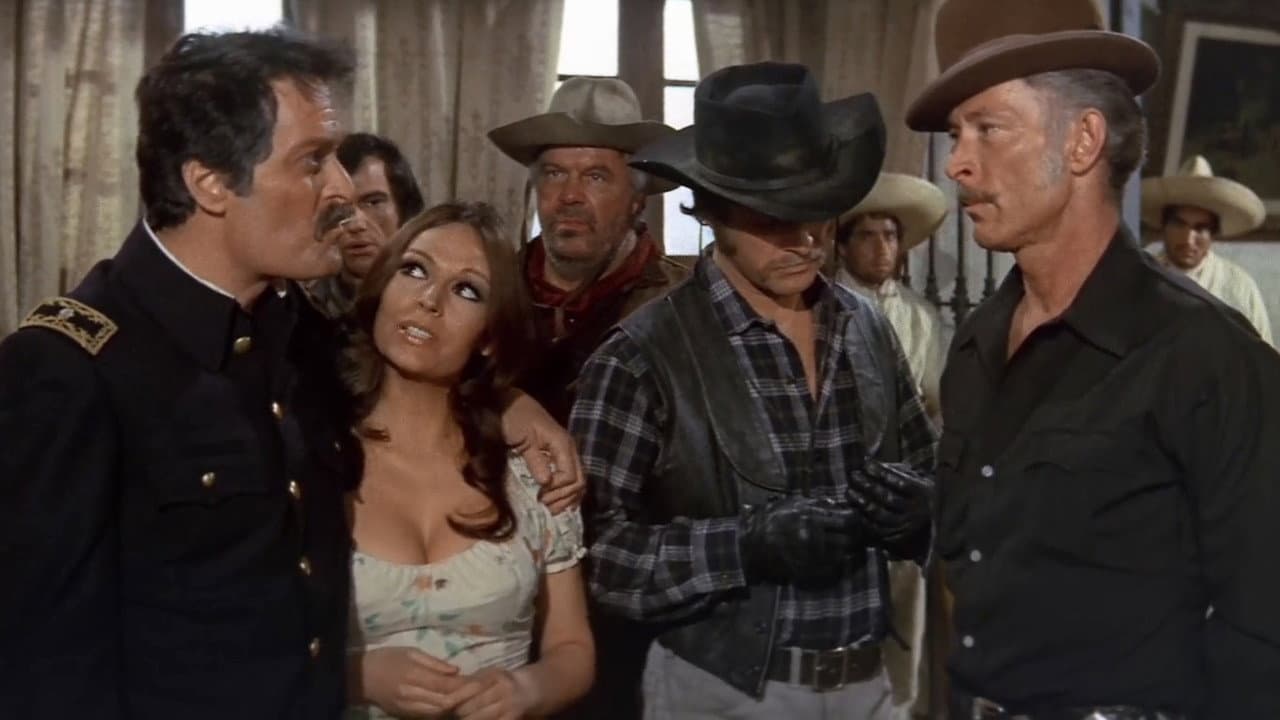
Bad Man's River kicks off with a premise that sounds stranger than most westerns: a train robber named Roy King has lost his wife, Alicia, to a revolutionary named Montero. Instead of staying enemies, they decide to work together—not out of friendship, but because they've spotted an opportunity too good to pass up. The Mexican government is moving one million dollars, and both men figure they can claim it. It's the kind of plot that shouldn't work on paper, yet here we are, watching it unfold across 92 minutes of mayhem and misaligned loyalties. The film doesn't take itself seriously, and that's kind of the point.
Behind the making of Bad Man's River
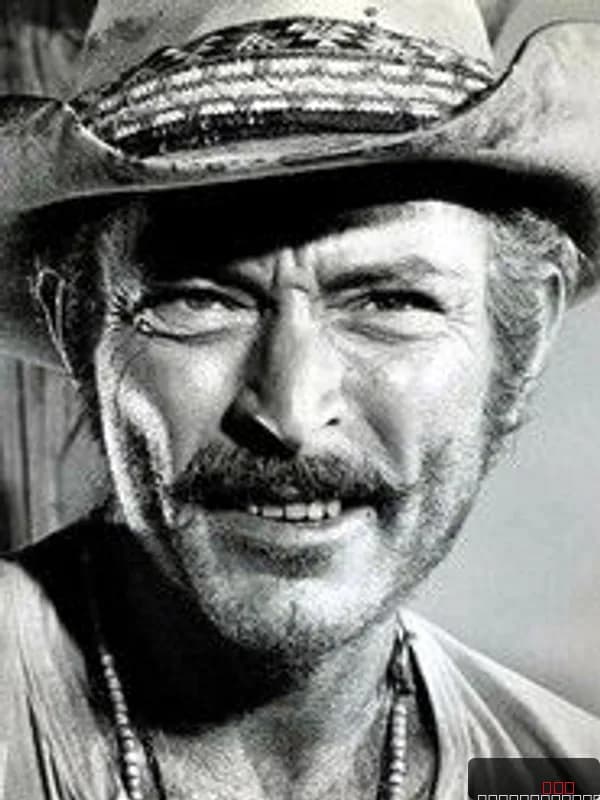
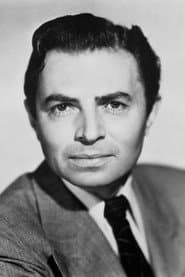
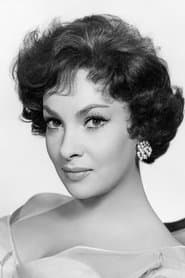
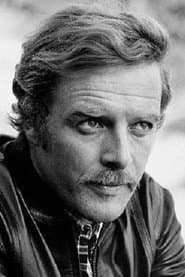
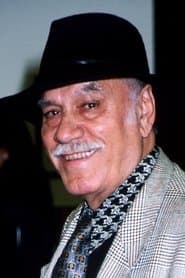
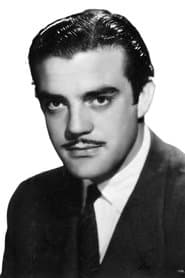
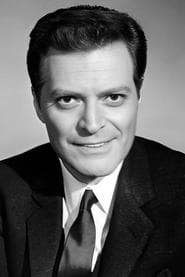
Bad Man's River emerged from a true international effort, produced by Italian, Spanish, and French companies—International Apollo Films, Les Productions Jacques Roitfeld, and Zurbano Films all had a hand in bringing it to screen. Director Eugenio Martín assembled a cast that reads like a who's who of mid-century cinema: Lee Van Cleef, already famous for his work in Sergio Leone's spaghetti westerns; James Mason, the classically trained British actor known for dramatic roles far removed from the western genre; and Gina Lollobrigida, the Italian actress and sex symbol of the 1950s and 60s. The soundtrack came from a collective effort—Tony Duhig, Jon Field, Glyn Havard, and Waldo de los Ríos contributed to the score, though the music rarely rises above functional. What's striking is that Martín cast his then-wife, Lone Fleming, in the ensemble as well, suggesting this was a deeply personal project, even if the final product doesn't always feel cohesive. The film released in 1971 to modest commercial returns and hasn't aged into cult status the way some spaghetti westerns have—a fact that tells you something about how it landed with audiences at the time.
What makes Bad Man's River a curious misfire
You'll find the central tension of Bad Man's River in its tonal confusion. It wants to be a heist comedy, a western action picture, and a romantic drama all at once—and it commits fully to none of them. Lee Van Cleef, who'd made his name playing ice-cold gunfighters in Leone's masterpieces, doesn't quite fit the comedic register Martín seems to be aiming for, and yet he's the only actor here who looks comfortable on horseback. James Mason, meanwhile, appears almost apologetically in the final act, as though he showed up for a paycheck and wanted to finish quickly. There's an odd chemistry (or lack thereof) between the leads that makes their forced partnership feel genuinely awkward rather than dramatically tense. What's most frustrating is that the film has actual ideas—the concept of rival criminals forced into collaboration, the Mexican Revolution as backdrop, the love triangle involving Lollobrigida—but they're never developed with enough care or wit to land. The pacing drags in places where it should snap, and the action sequences feel more obligatory than inventive. Movie OTT tracks current streaming availability for titles like this, where you can often find them nestled between genuine classics and genuine curiosities. The IMDb rating of 4.6/10 reflects what most viewers have concluded: there's ambition here, but the execution doesn't match it.
Where to stream Bad Man's River online
Bad Man's River is currently available on major OTT services—check the "Where to Watch" widget at the top of this page for the most up-to-date platform list. Availability shifts regularly depending on licensing agreements, so what's streaming today might rotate off next month. If you're a completist tracking spaghetti westerns or simply curious about how international co-productions looked in the early 1970s, it's worth knowing where to find it when the mood strikes. Movie OTT keeps tabs on these shifts so you don't have to hunt across five different apps.
Frequently asked questions
Q: Who directed Bad Man's River?
Eugenio Martín directed the film. He cast his then-wife, Lone Fleming, in the ensemble and brought together an international production team to realize his vision of a comedy western.
Q: Is Bad Man's River based on a true story?
No, it's an original screenplay. The plot—a bank robber and revolutionary teaming up to rob the Mexican government during the revolution—is entirely fictional, though it draws on the historical backdrop of the Mexican Revolution for atmosphere.
Q: Why did James Mason take a role in Bad Man's River?
Mason was a versatile actor who worked across many genres, though his appearance here feels somewhat disconnected from the rest of the film. He shows up primarily in the final act, which has led some to speculate about his involvement—whether it was a contractual obligation, a favor to the producers, or simply a paycheck role.
Q: How long is Bad Man's River?
The film runs 92 minutes, which is relatively brisk for a western. Despite its short runtime, it often feels longer because of pacing issues in the middle section.
Q: What's the tone of Bad Man's River—is it a serious western or a comedy?
That's the central problem. It tries to be both simultaneously, which creates tonal whiplash. It's marketed as a comedy spaghetti western, but the execution doesn't consistently commit to either genre, leaving viewers unsure what they're supposed to feel.
Final thoughts on Bad Man's River
Bad Man's River is the kind of film that interests film historians and genre completists more than general audiences. It's a snapshot of early-1970s international co-production filmmaking, where ambition sometimes outpaced execution. The cast alone—Van Cleef, Mason, Lollobrigida—deserves respect, and there's something admirable about a director trying to blend comedy and action in a period western. But ambition without clarity rarely translates into entertainment. If you're curious about spaghetti westerns or want to see how A-list actors navigated B-movie projects, it's worth a watch. Otherwise, there are better options in the genre.